3 MIN READ
Interior
Kitchen
Written By
G2G Team
Published
May 12, 2026
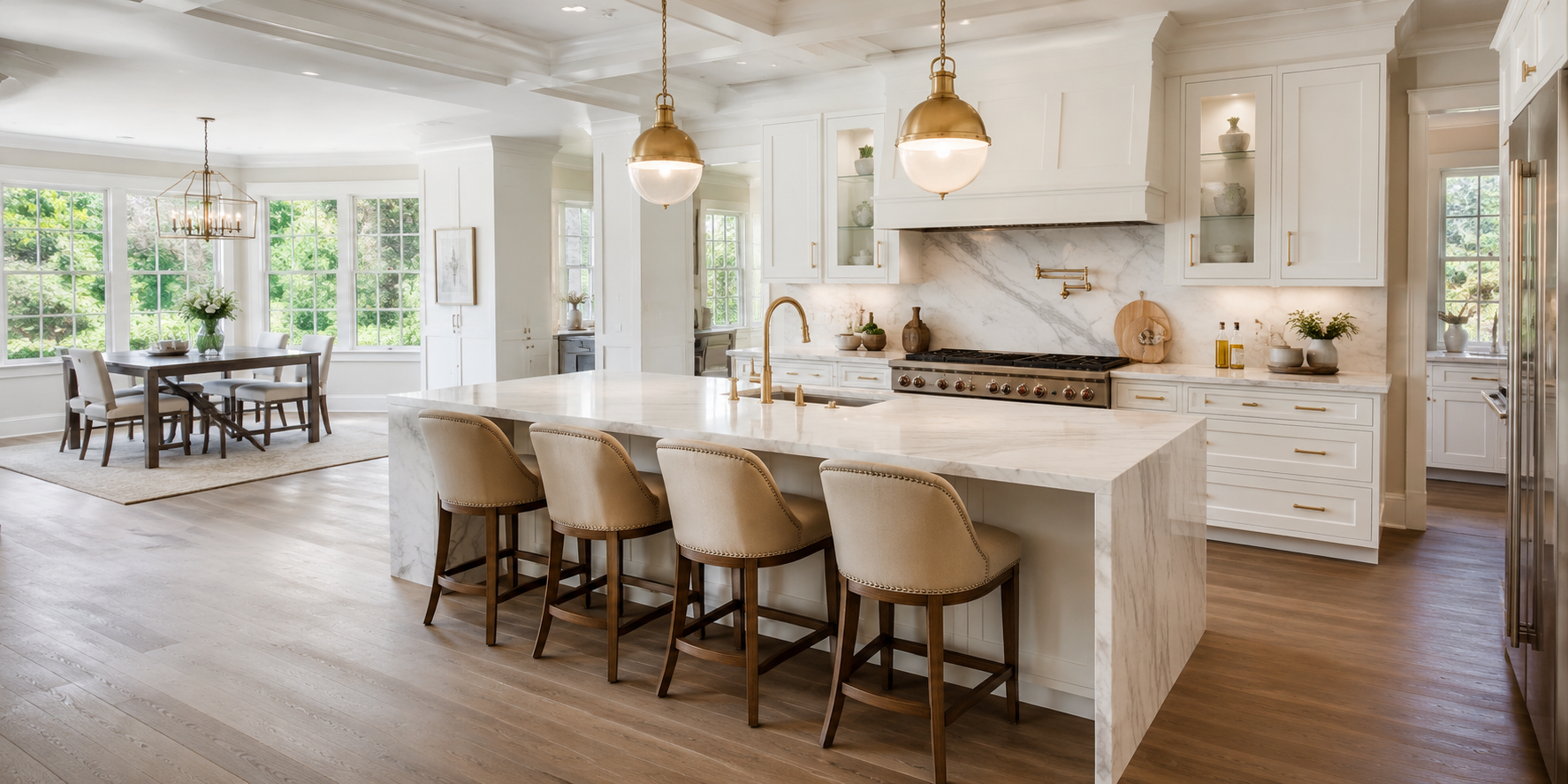
Have you ever noticed how everyone naturally gathers around the kitchen island, no matter how big the house is? It’s the heartbeat of the home—where dinner prep turns into conversation and casual meals become moments of connection. In today’s kitchens, the island isn’t just a surface; it’s a multifunctional command center.
Adding both a sink and seating to your kitchen island transforms it into the ultimate space for functional gatherings. It lets you rinse vegetables, wash dishes, or prep food while staying part of the conversation. Meanwhile, integrated seating invites family and guests to relax nearby—bridging the gap between cooking and socializing.
Below, we explore 19 kitchen island ideas with sinks and seating that balance form, function, and flair—designed to inspire every type of home, from modern urban lofts to cozy farmhouse cottages.
A centrally placed island with a built-in sink is timeless and practical. It creates a natural workflow between the refrigerator, stove, and prep areas—what designers call the “work triangle.”
By positioning the sink in the center, you can clean produce, fill pots, or wash dishes without losing sight of guests seated across the island. Add pendant lights overhead to anchor the space visually. Choose bar stools that complement your cabinetry—wood for traditional warmth, metal for modern edge.
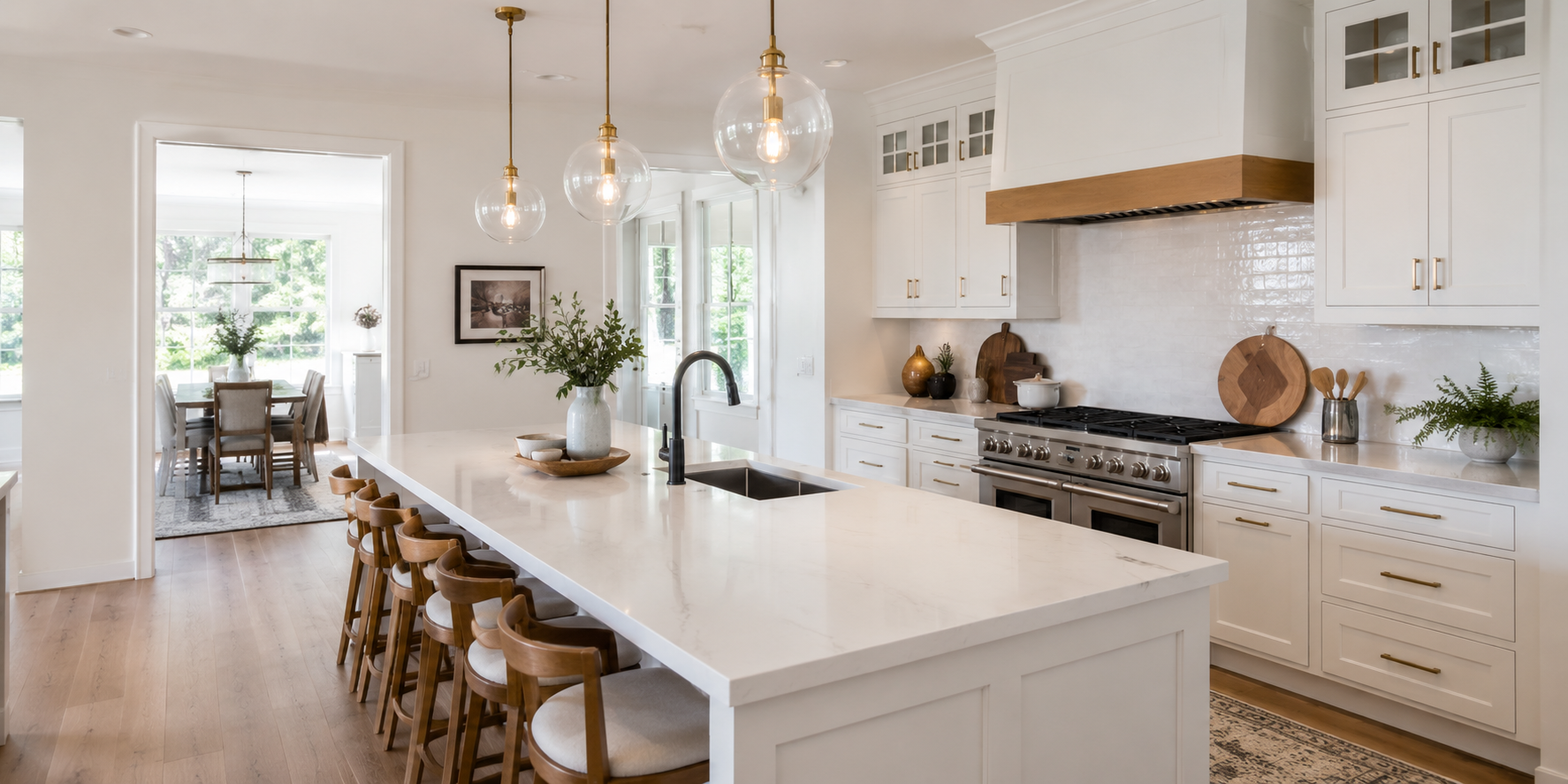
An L-shaped island introduces zoning—one side for tasks, the other for gatherings. The sink sits on the shorter leg, leaving the longer surface free for seating and serving. This setup encourages conversation without mixing prep mess with dining space. It’s ideal for families or frequent entertainers who need versatility. Pair contrasting materials—like a marble worktop and wood breakfast bar—for visual dimension.
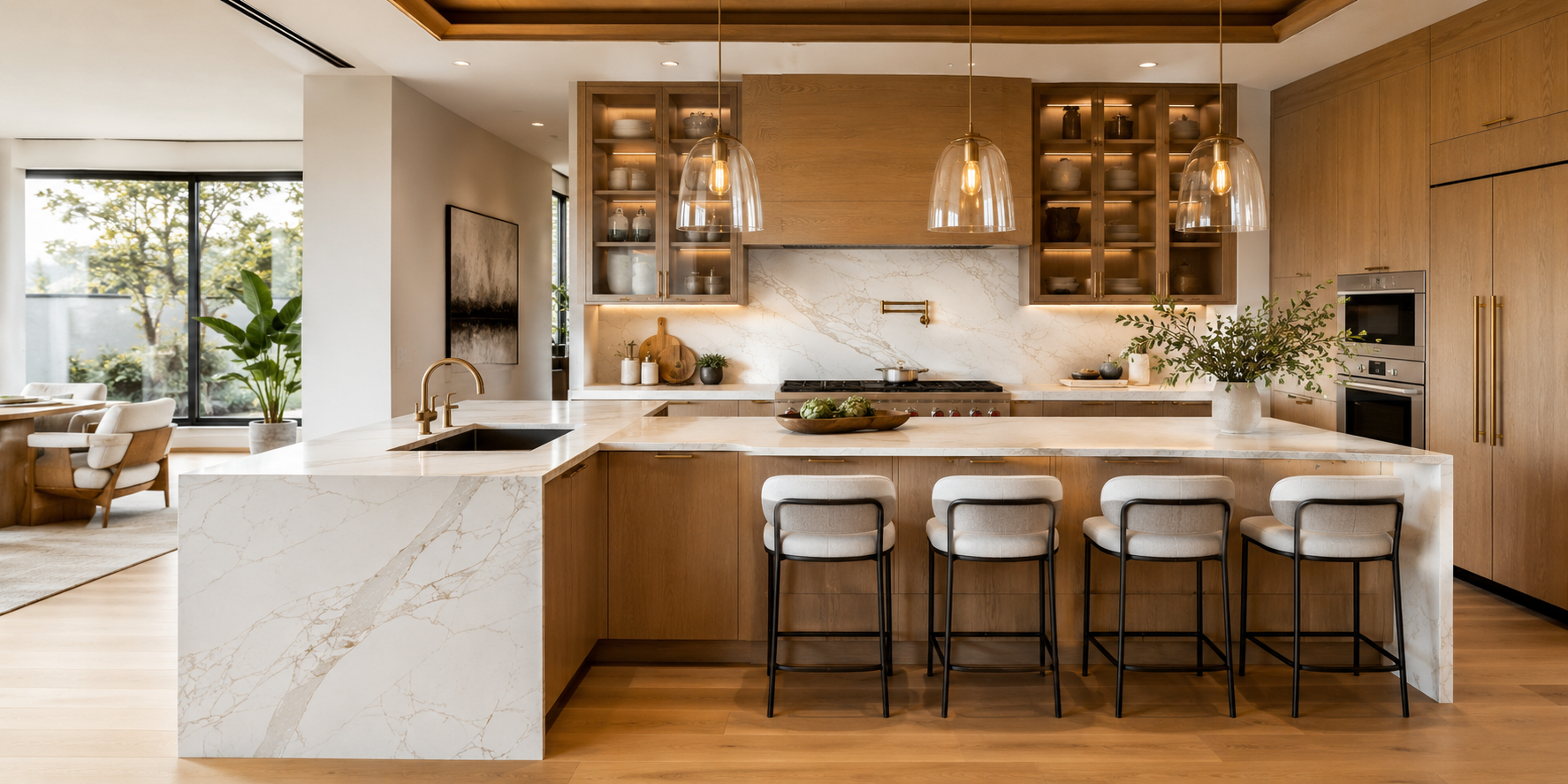
Nothing defines modern luxury like a waterfall-edge island where the countertop material flows down both sides to the floor. Integrating the sink within this sculptural form creates a sleek, monolithic centerpiece. This design works beautifully in contemporary homes with open plans. Combine quartz or porcelain countertops with minimal fixtures and concealed storage to keep lines uninterrupted.
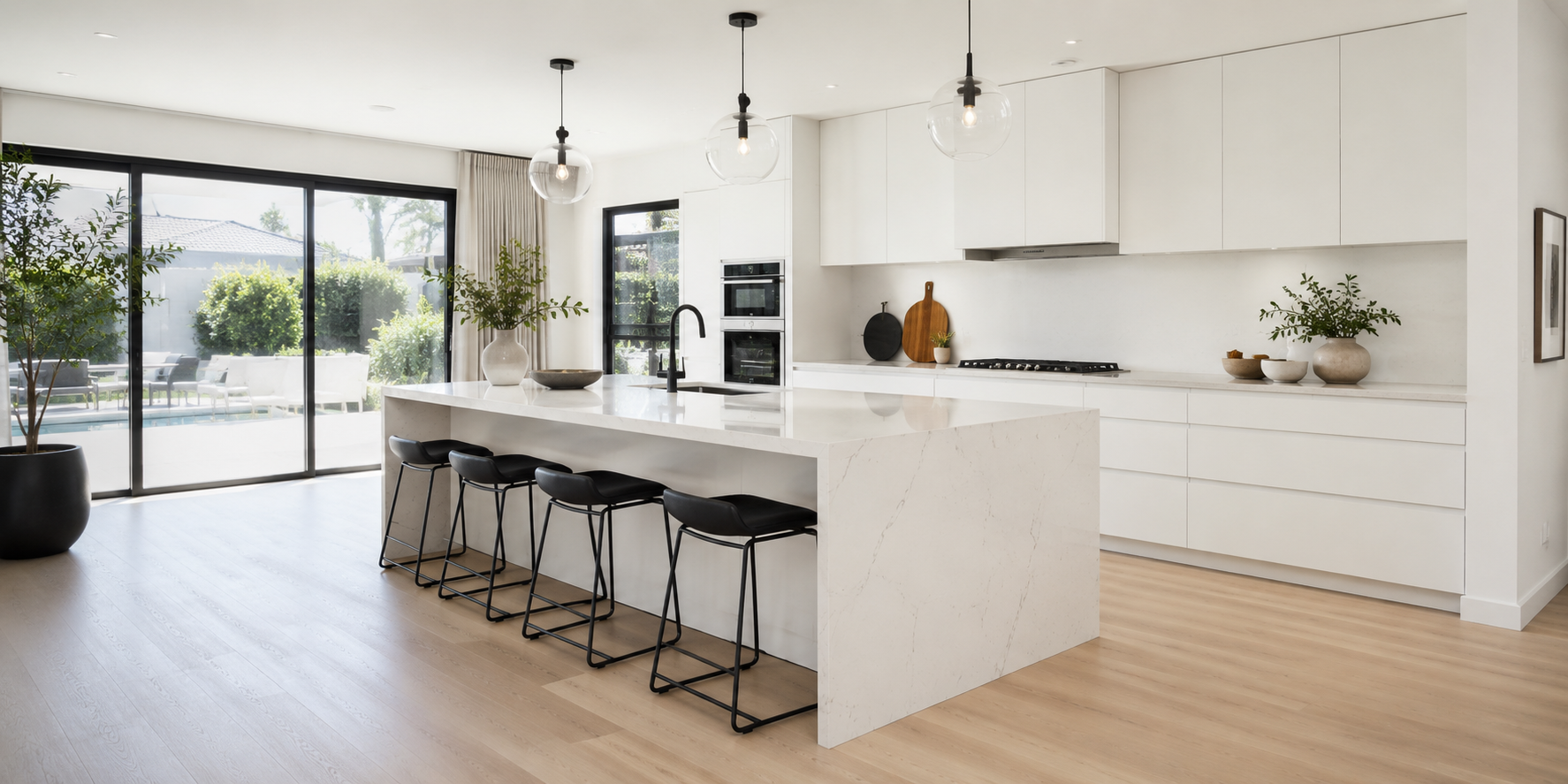
If comfort and nostalgia define your style, a farmhouse island featuring an apron-front sink is perfect. This wide, deep basin accommodates large pots and evokes vintage charm. Use reclaimed wood or butcher-block counters paired with shaker cabinetry. Add woven stools and antique-style fixtures to keep the vibe warm and homey. For extra personality, paint the island in muted blue, sage, or cream tones that complement rustic finishes.
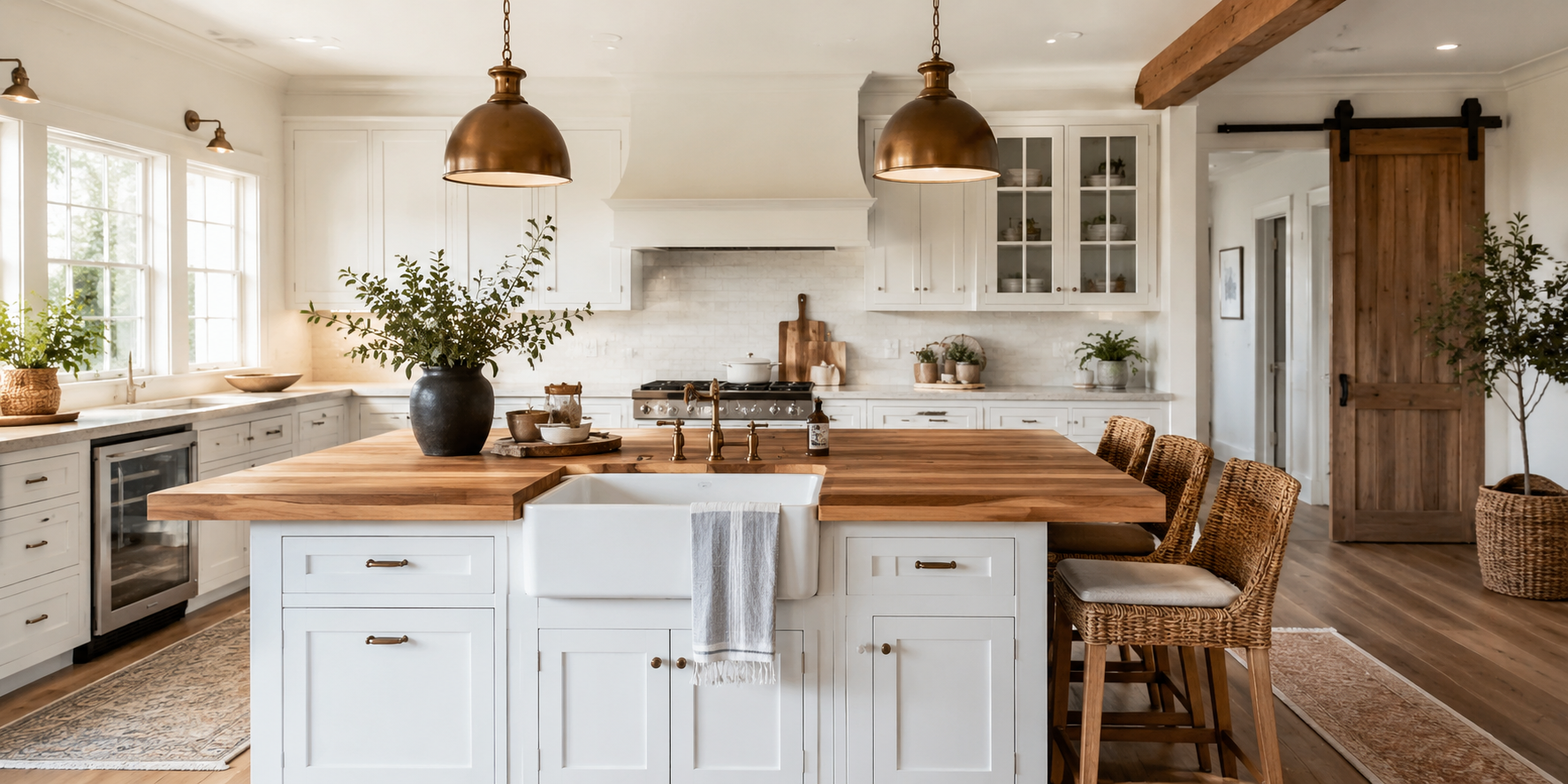
A two-tier island cleverly separates cooking and dining surfaces. The lower level holds the sink and prep area, while the raised back doubles as a breakfast bar or serving counter. It’s especially handy for hiding kitchen clutter when entertaining. Use contrasting materials—stone below, wood above—to define each tier. Add bar stools at the higher counter for relaxed dining.
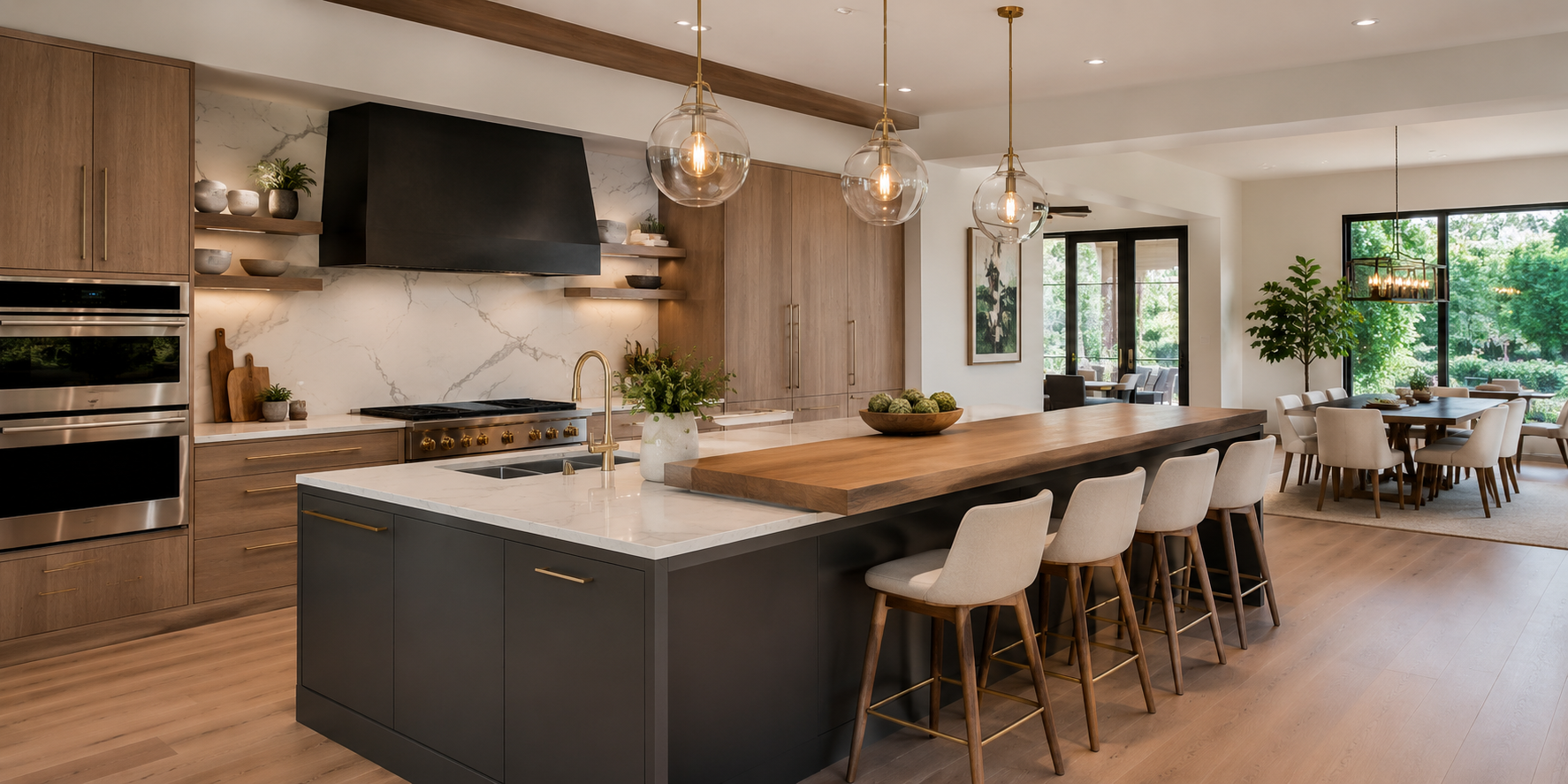
Limited space doesn’t mean limited creativity. A narrow or compact island with a small sink and slim seating can completely change the flow of a small kitchen. Choose a single-bowl undermount sink and tuck stools under an overhang when not in use. Reflective finishes—like glossy cabinets and light countertops—help enlarge the look visually.
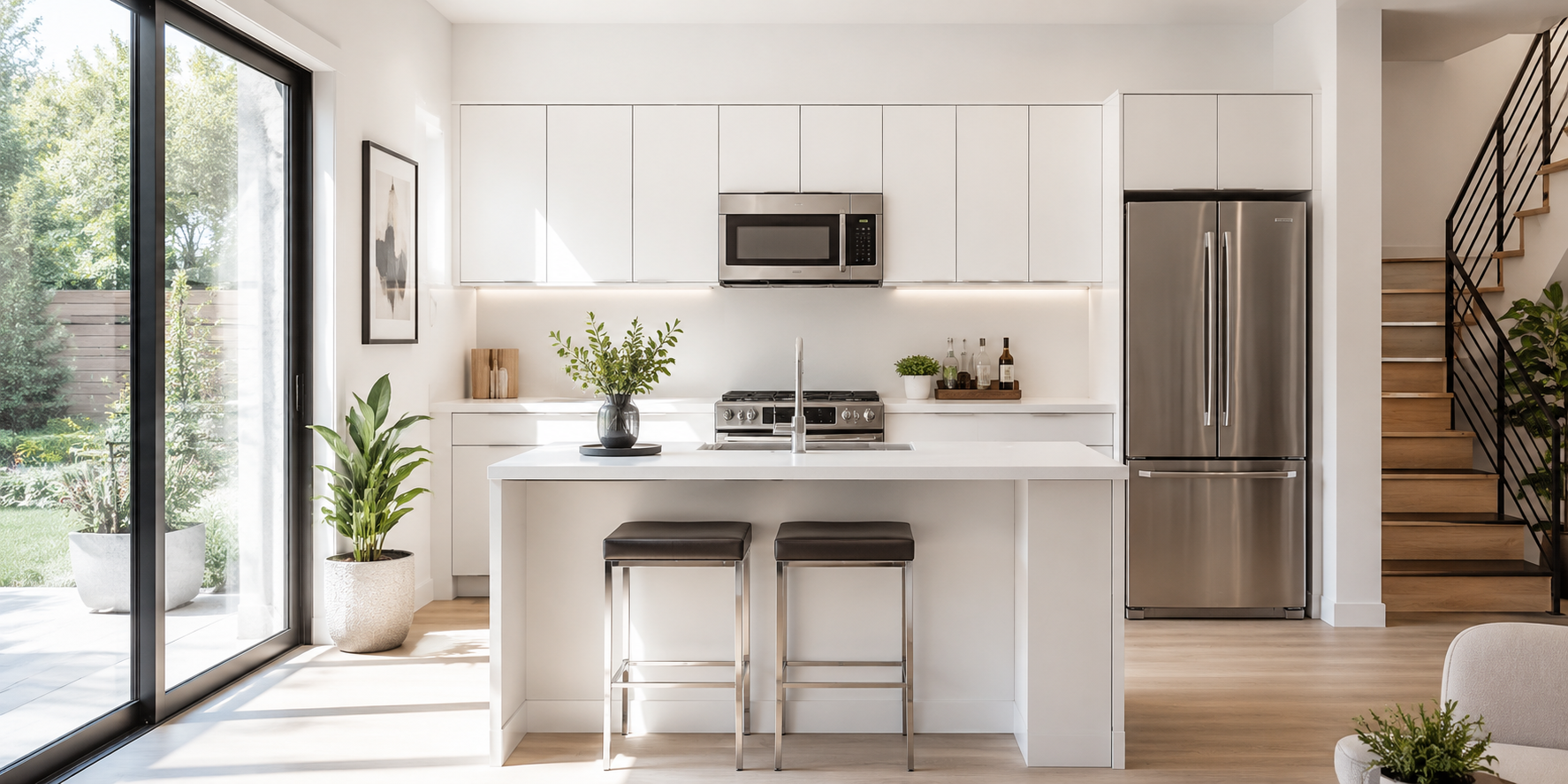
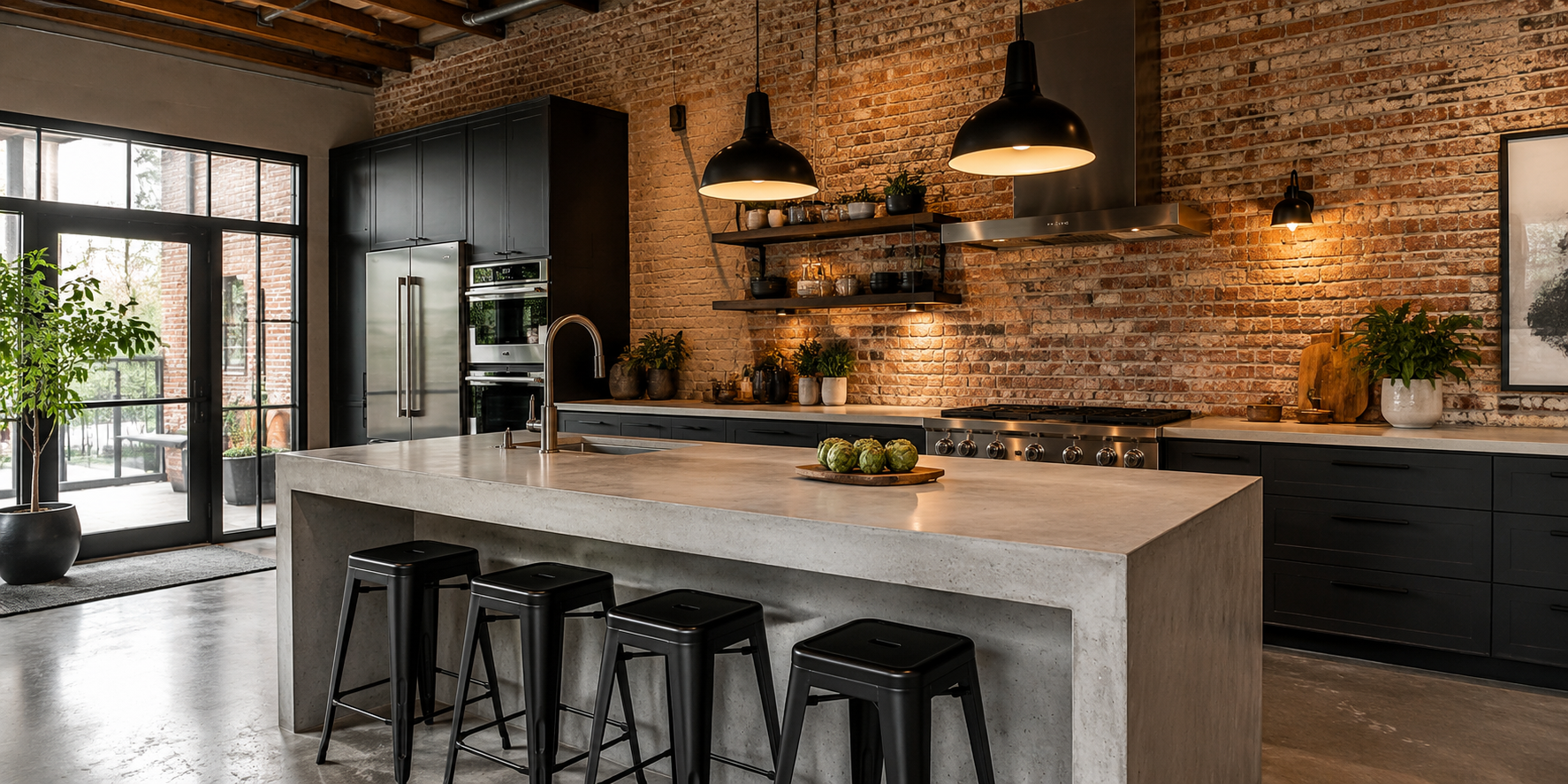
For those who love raw textures, an industrial island is both durable and chic. Combine a deep stainless-steel sink with concrete or metal countertops. Add open shelving underneath to display cookware or plants. This setup fits lofts and contemporary homes perfectly. Black steel stools and Edison-bulb pendants reinforce the utilitarian aesthetic.
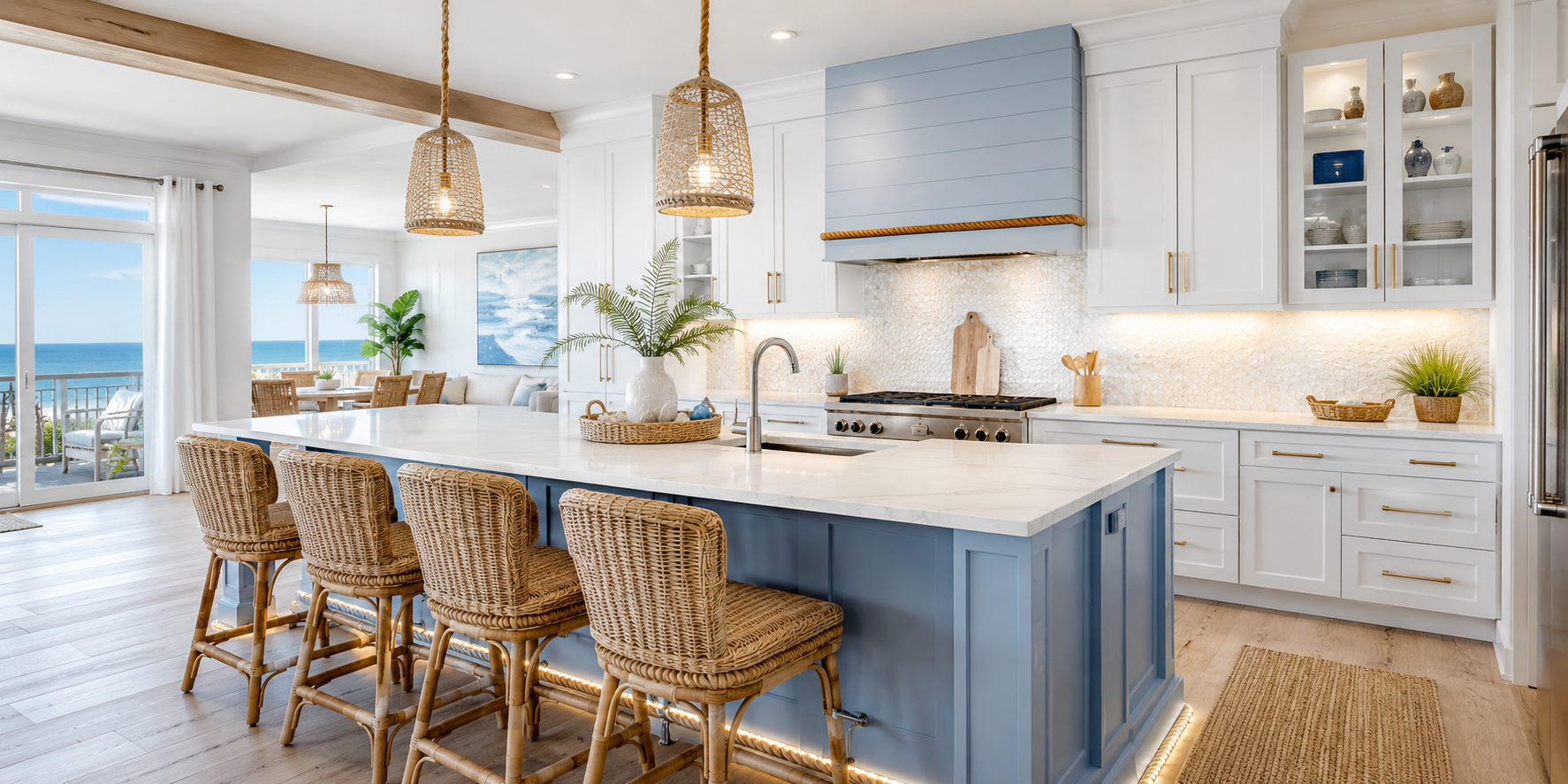
Channel beach-house calm with a coastal-inspired island. Opt for light hues—soft blues, crisp whites, and sandy beige—and a simple rectangular sink. Wicker stools, rope pendants, and driftwood accents complete the relaxed atmosphere. Use durable materials like quartz or composite stone that resist salt air and humidity if you’re near the coast.
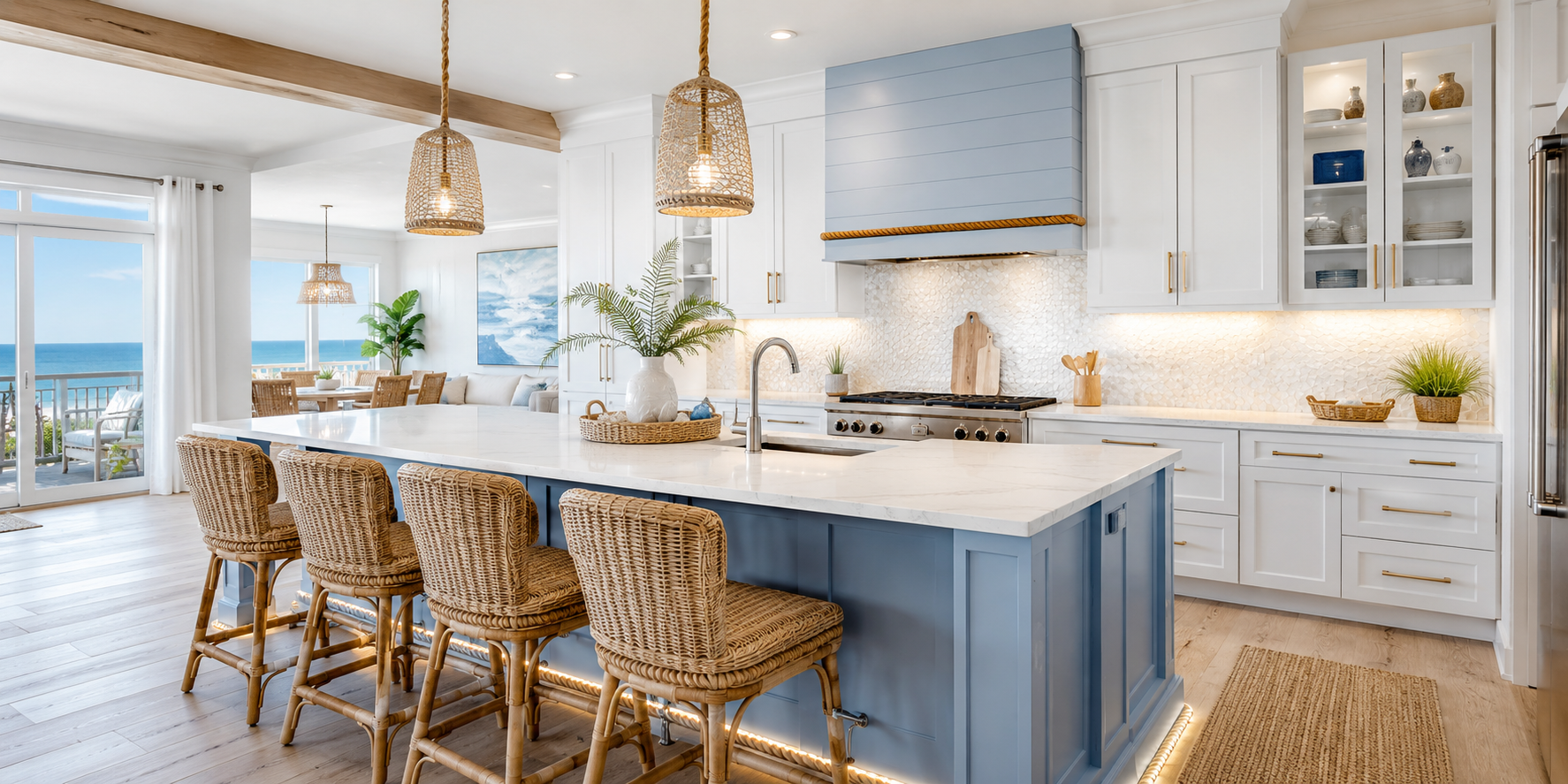
For serious cooks or large households, a dual-sink island is the ultimate in convenience. Install one sink for food prep and another for dishwashing or beverage prep. This layout enables two people to work simultaneously without crowding. It’s also ideal for homes where the island doubles as a hosting station for parties or holidays.
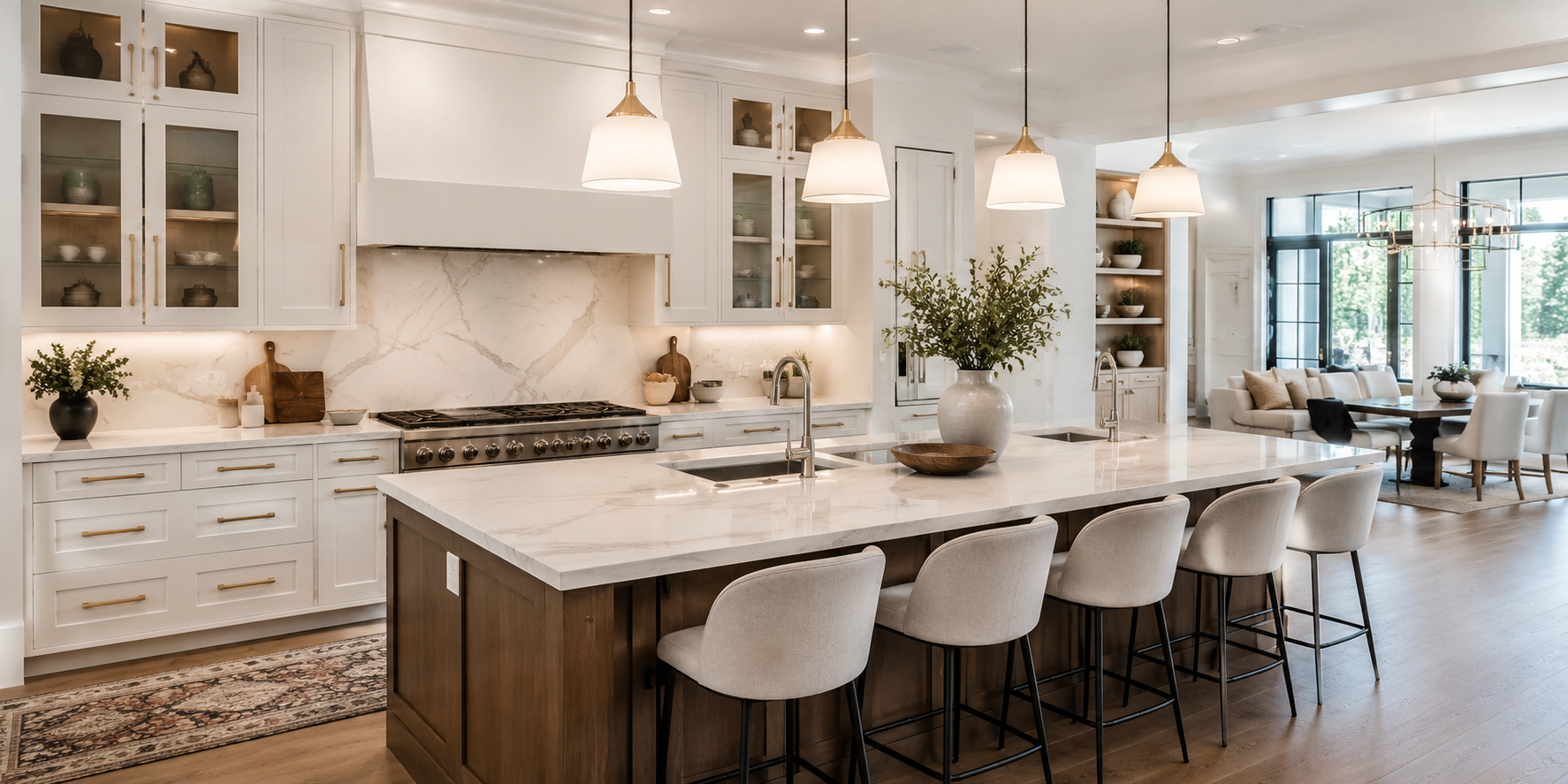
Marble never goes out of style. Its natural veining adds drama while staying timeless. Pair a marble-top island with an undermount sink and brushed-brass fixtures for quiet luxury. Balance marble’s cool tone with warm wood stools or gold lighting accents. Seal surfaces properly for durability, and use hidden outlets under the bar for added functionality.
If space is tight, merge your island with your dining area. Extend the countertop outward or downward to form a table-like dining surface. With the sink positioned on one side, this design offers a seamless transition between cooking and serving. Choose a waterfall edge for a cohesive modern look or wood for warmth.
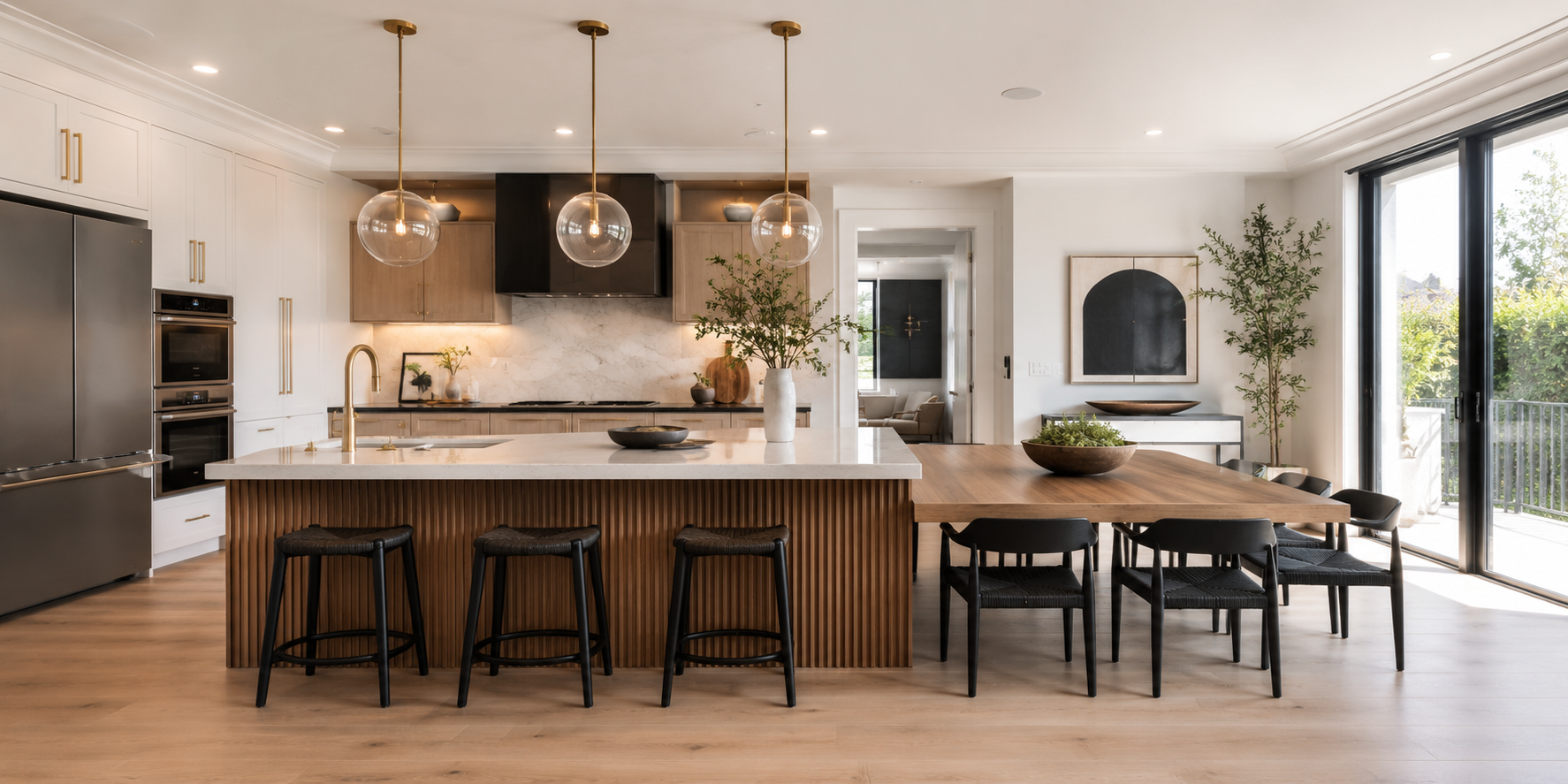
A matte-black island introduces instant sophistication and contrast in bright kitchens. Incorporate a sink and use hardware in brass or stainless steel to break the monochrome palette. Black cabinetry grounds the space, while lighter countertops prevent heaviness. This combo looks stunning in both modern and transitional interiors.
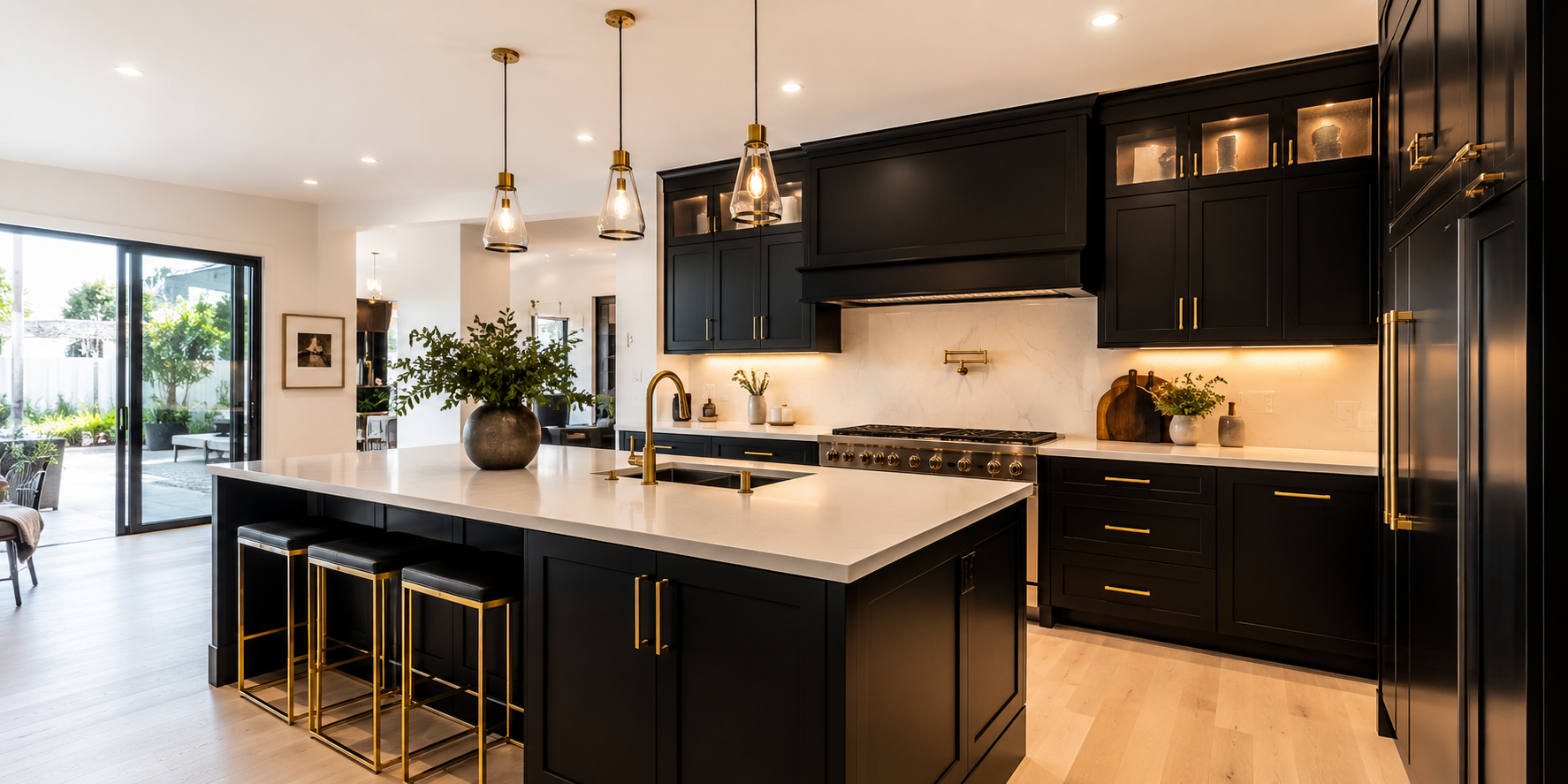
Curved islands create fluid movement through the kitchen and soften angular layouts. By embedding a sink in the curve’s center, you maintain ergonomic flow while keeping guests close by at the rounded seating area. This shape is ideal for open plans where circulation and interaction matter. Use stone or quartz with a subtle bevel for a luxurious finish.
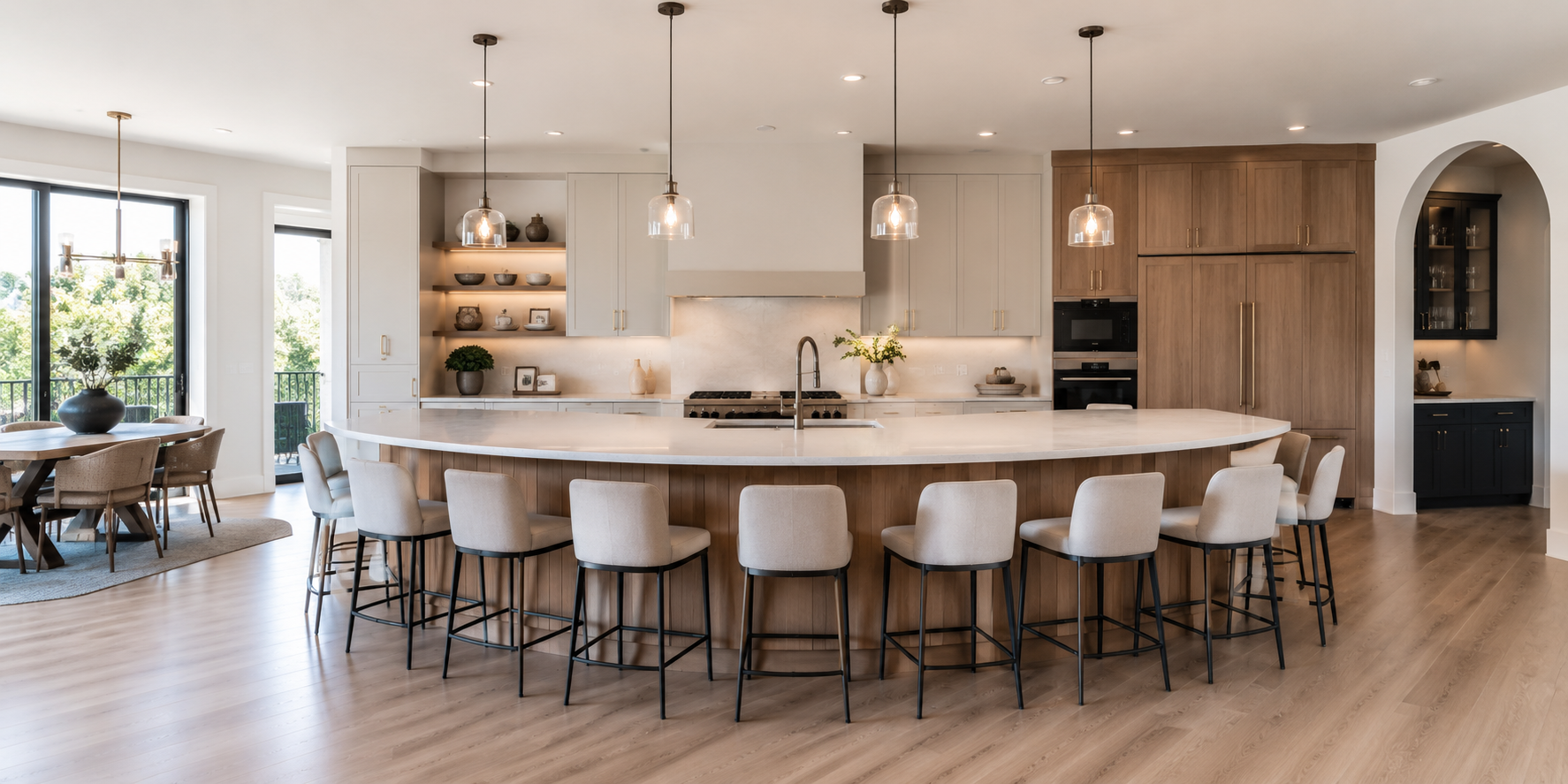
Simplicity has power. A monochromatic white island with a hidden sink and handleless cabinetry creates a serene, spa-like atmosphere. Add a single material—like oak bar stools or matte fixtures—for warmth. Use soft indirect lighting or skylights to emphasize the purity of form. This design works best in Scandinavian and Japandi-style homes.
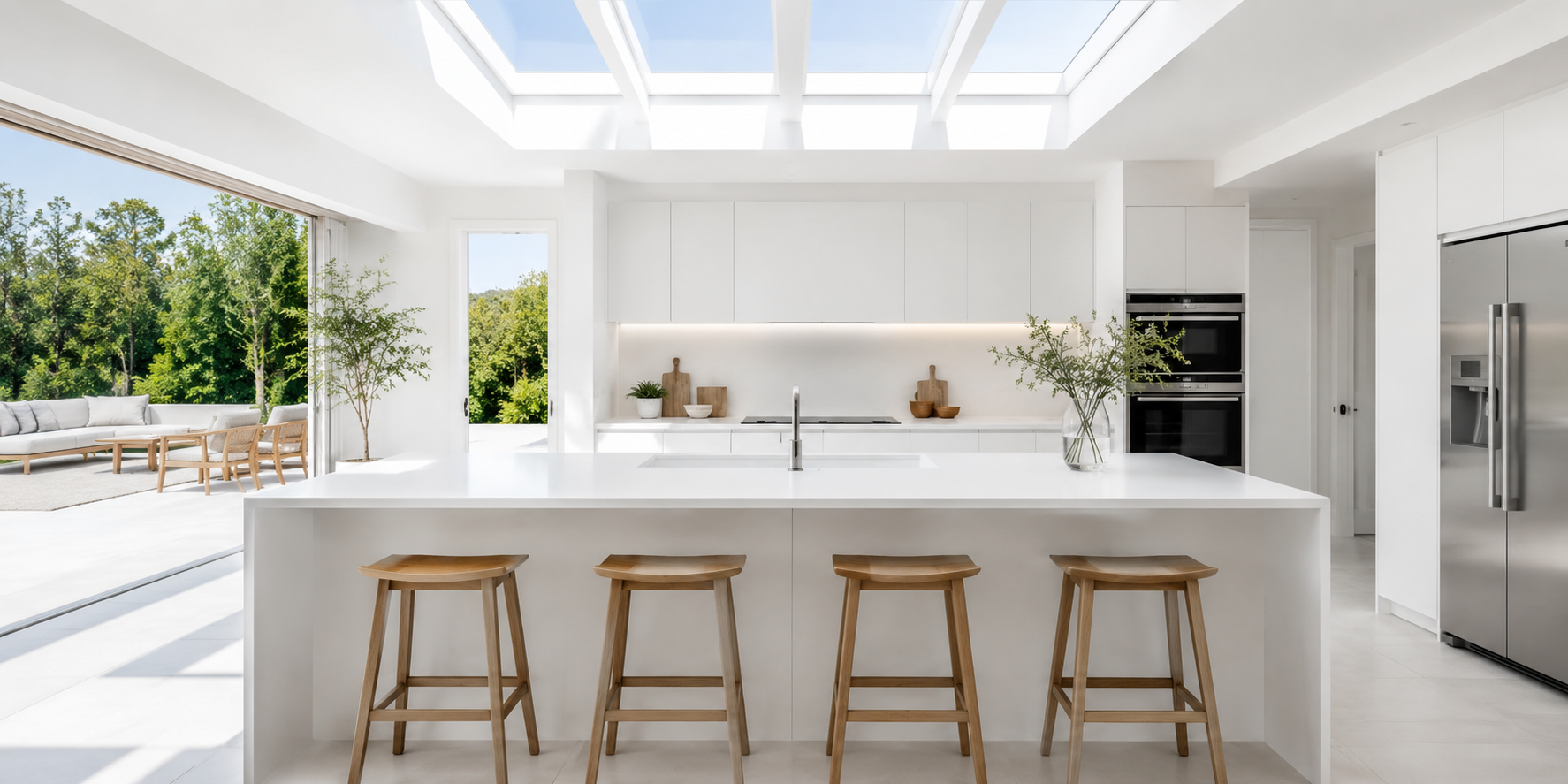
Modern kitchens meet innovation with smart islands that feature built-in outlets, USB chargers, and sensor faucets. Integrate your sink with touchless technology and a water-filtration system.
Pair these features with LED task lighting and sleek composite surfaces. For seating, go for height-adjustable stools with ergonomic comfort—perfect for multitasking families.
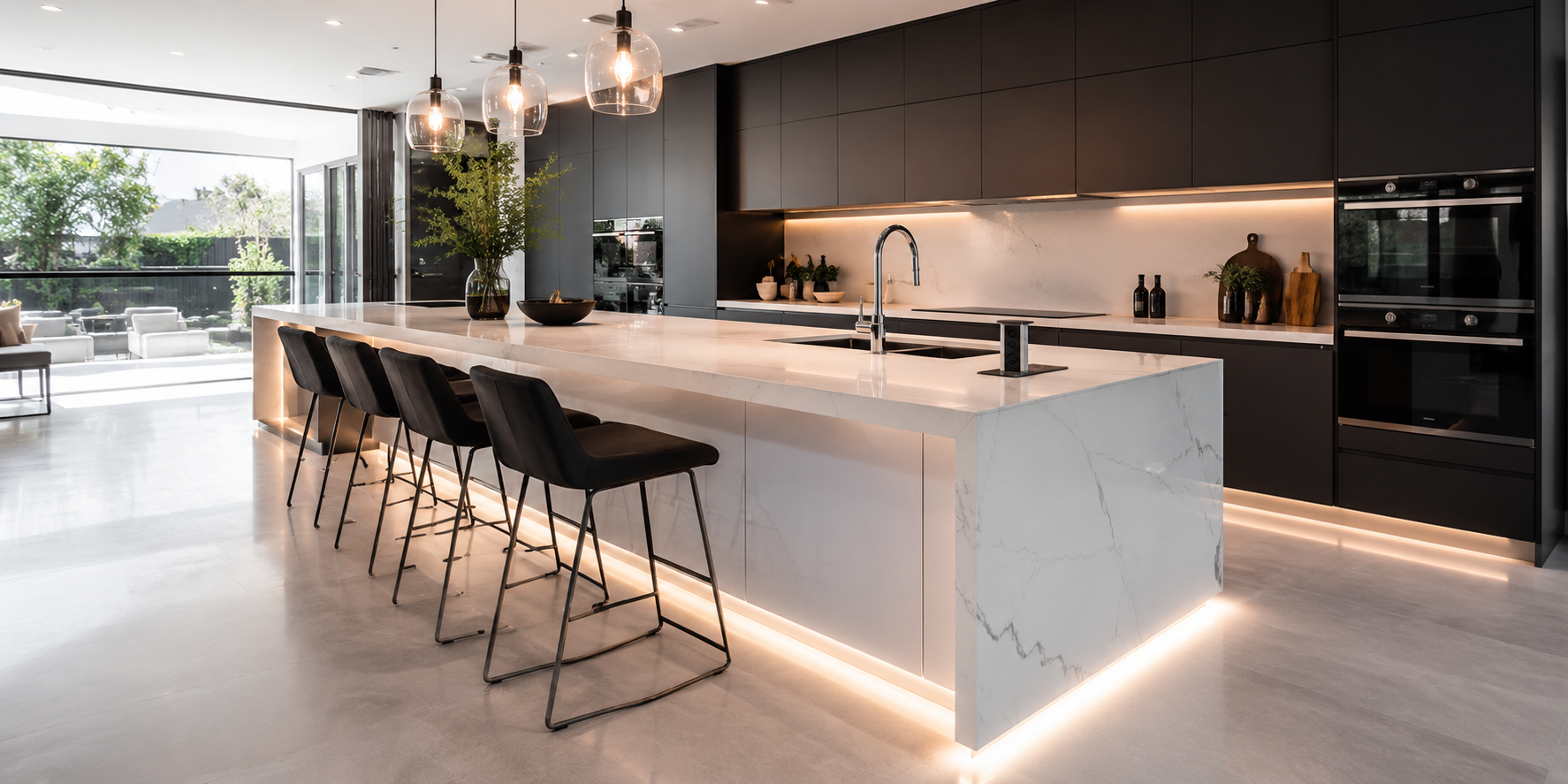
Combine a chef’s workstation with a social bar. The front half of the island hosts the sink and prep area, while the back half rises slightly to form a casual bar zone. This split-height structure creates privacy for meal prep while guests sip wine or chat. Use dark counters on the prep side and lighter wood tones on the bar for contrast.
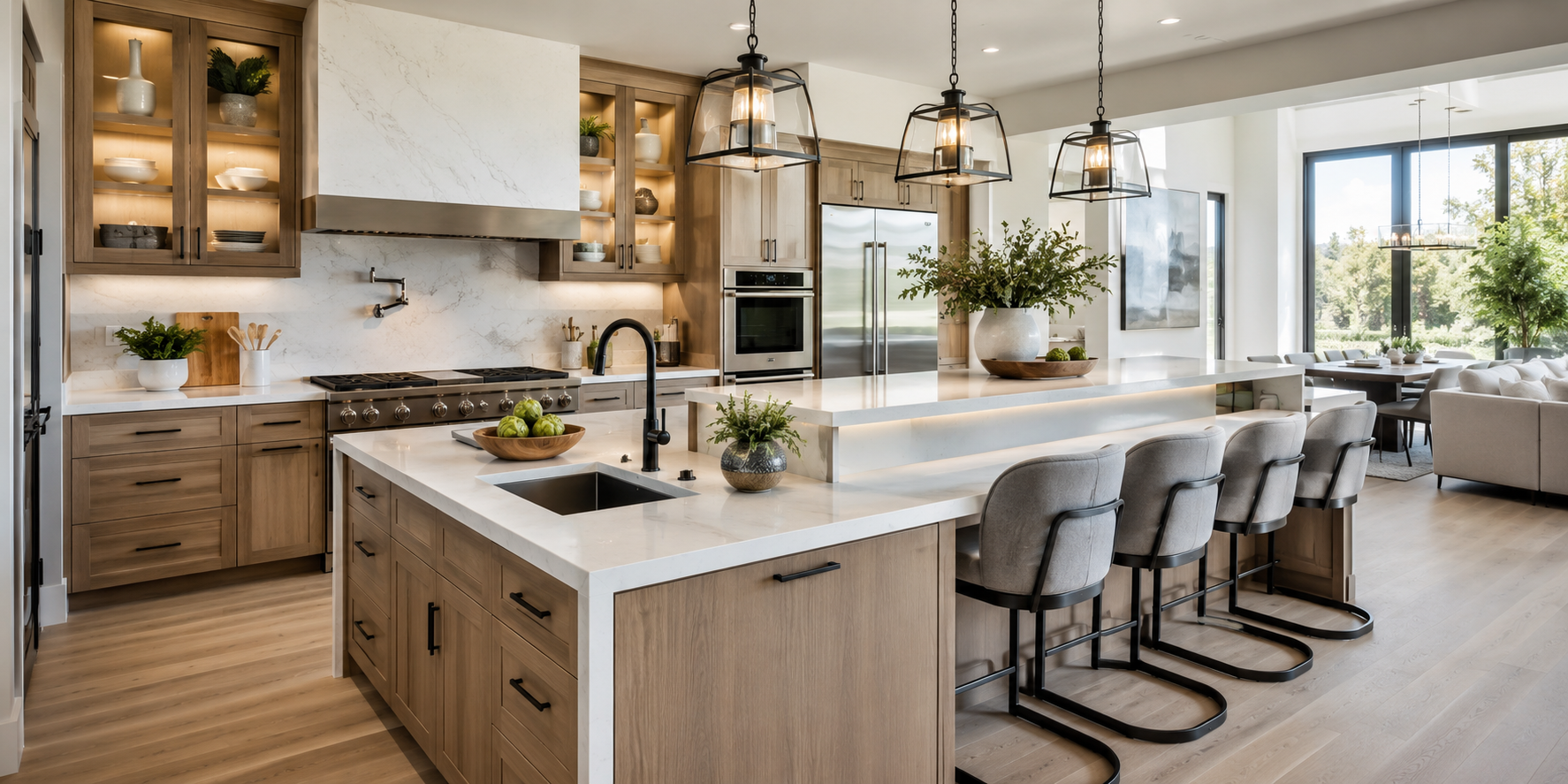
Wood introduces warmth and texture to otherwise sleek kitchens. Combine a wood-clad island base with a stone top and an undermount sink. For Scandinavian appeal, use pale oak and soft beige tones; for rustic charm, go darker with walnut or cherry. Wooden stools and woven lighting amplify the inviting feel without clutter.
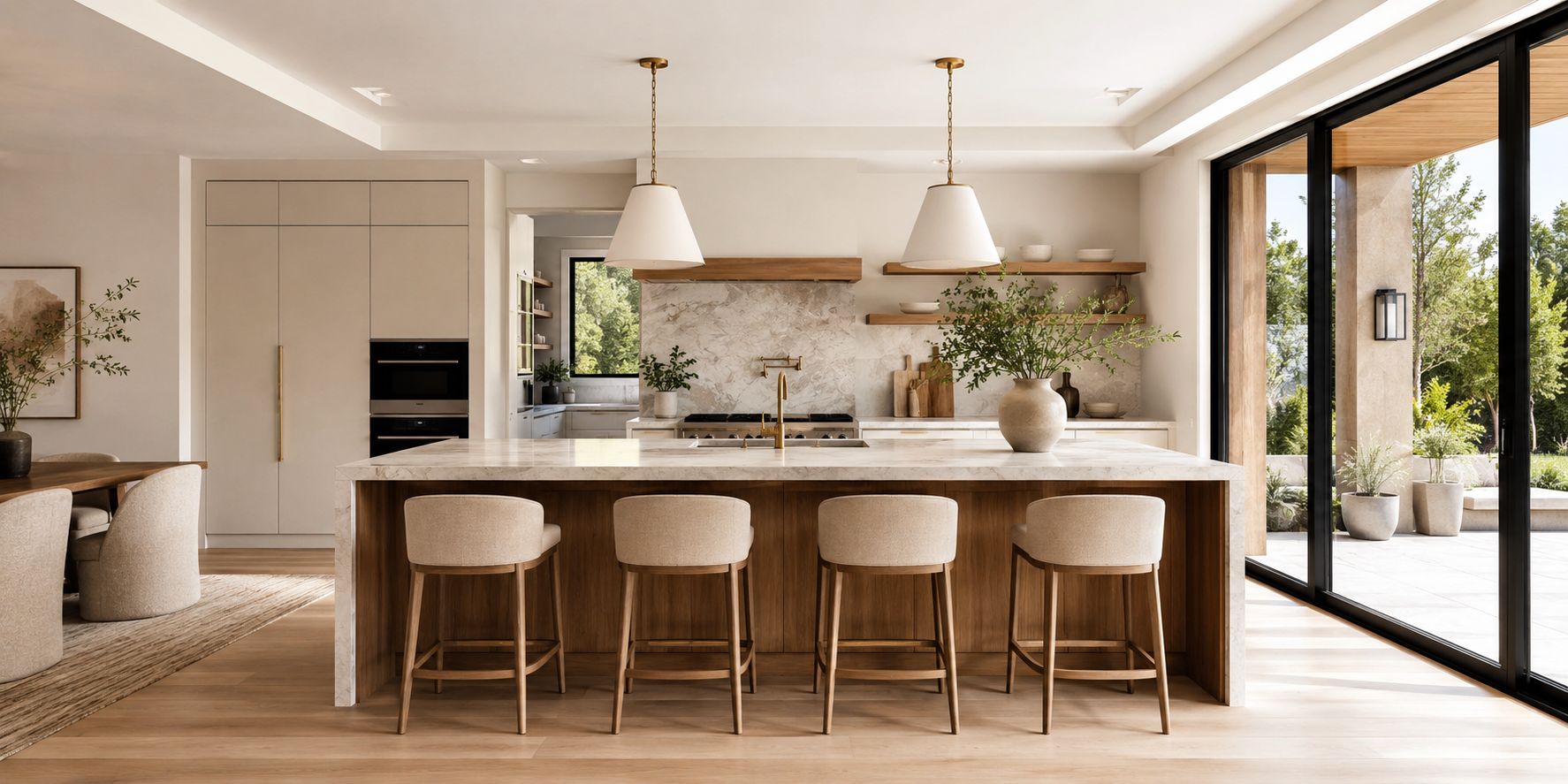
Form meets function with islands that feature drawers, pull-outs, and display shelves. Integrate the sink above deep drawers for utensils and add shelving on the seating side for cookbooks or décor. Custom storage maximizes efficiency and minimizes clutter—an essential for busy family kitchens. Use matching hardware and finishes for cohesion.
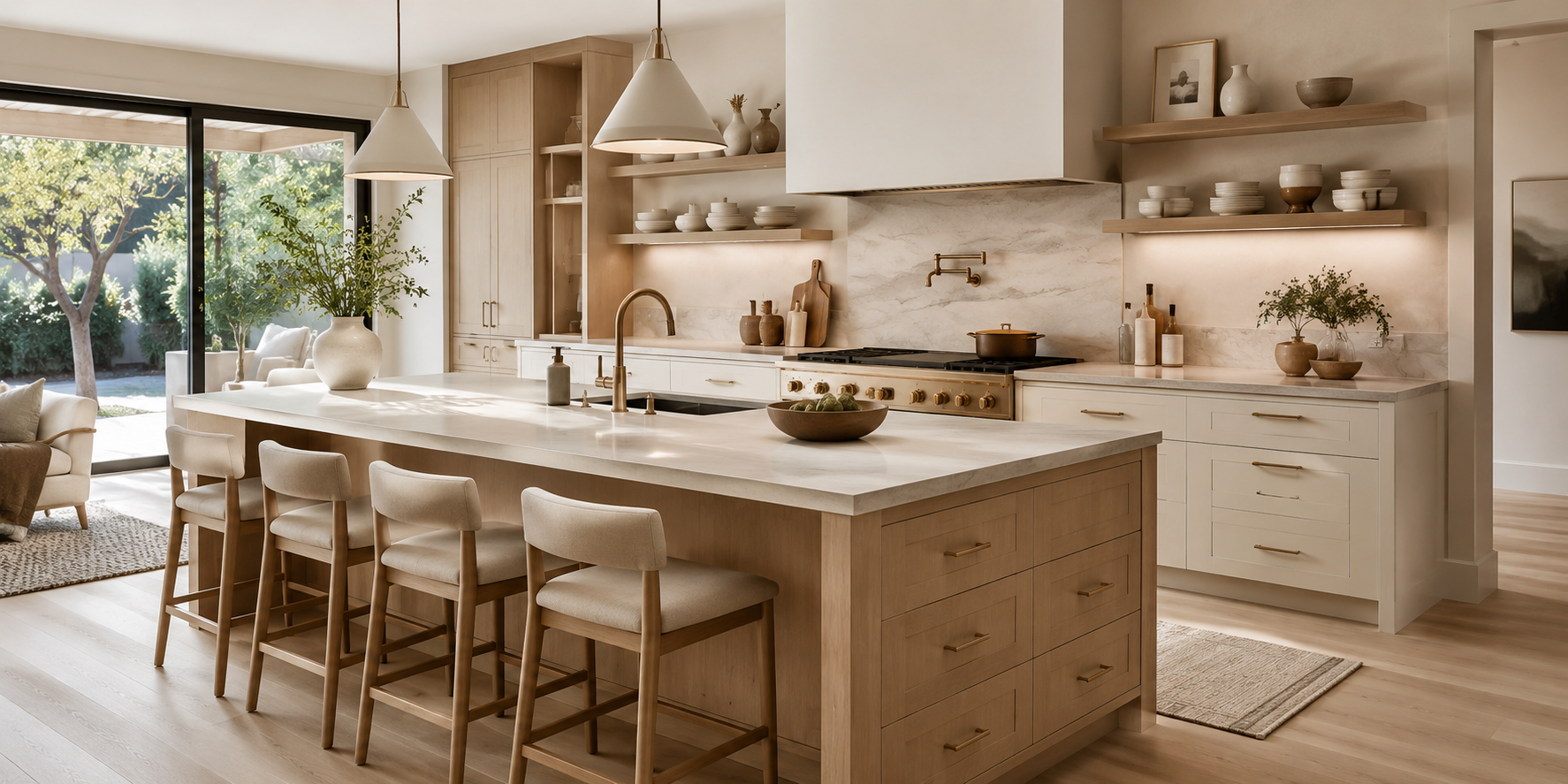
The final ingredient for a stunning kitchen island is layered lighting. Combine pendant lights for task illumination, recessed lights for ambience, and LED strips beneath counters for depth. Choose fixtures that echo your design style—glass globes for modern, rattan for coastal, and industrial metal shades for loft aesthetics. Lighting ties together every element, highlighting textures and materials.
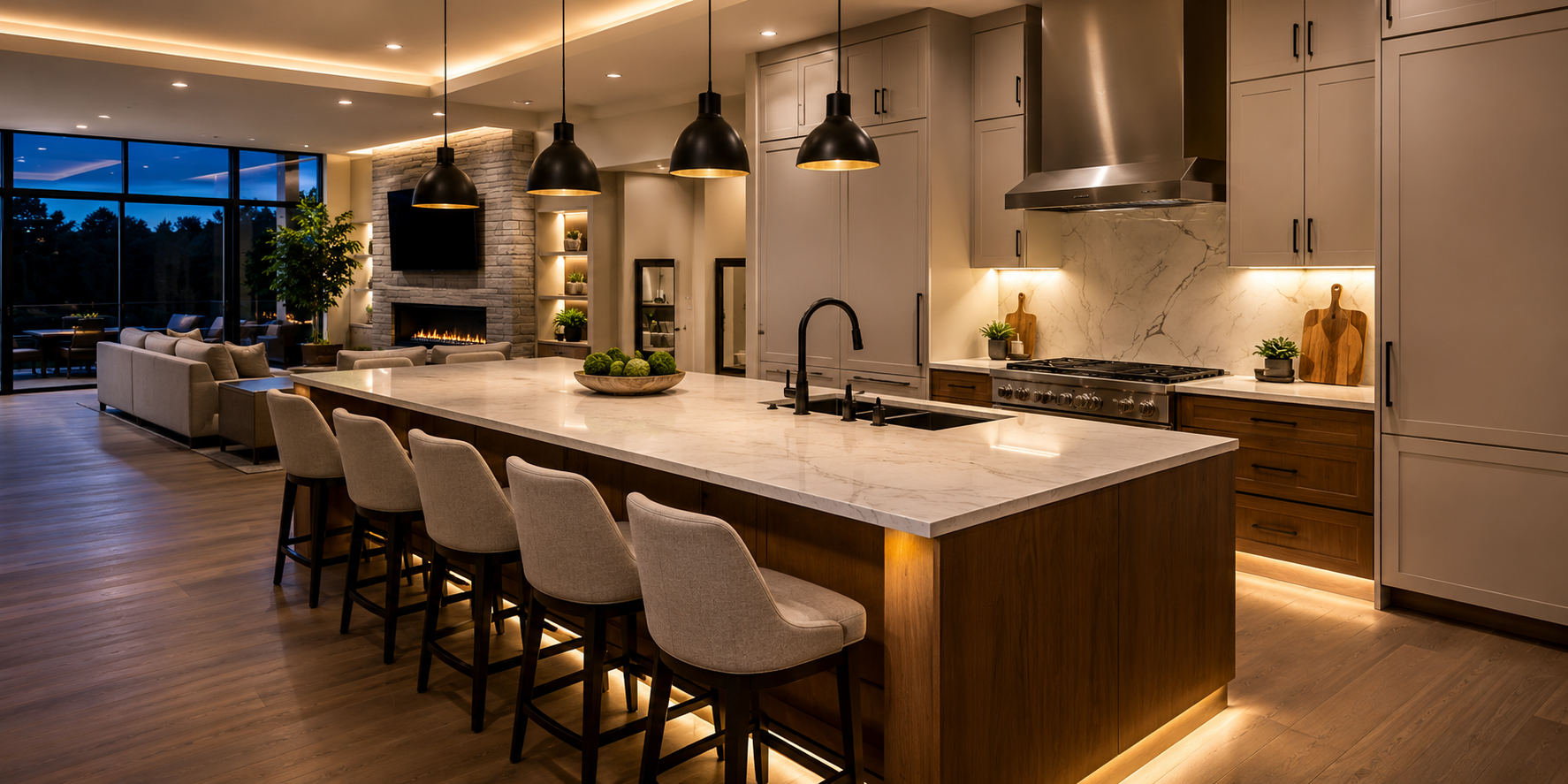
Keep at least 42 inches of clearance around all sides for comfortable movement. In larger kitchens, you can go up to 48 inches for better traffic flow.
Adding a sink requires planning plumbing access early—especially for islands built over slabs or in open-concept layouts.
Bar seating should allow 24 inches per person for elbow room. Counter stools work best at 24–26 inches high; bar stools at 30 inches.
Quartz, granite, and composite surfaces offer resilience. Butcher block adds warmth; stainless steel suits heavy use.
If your island includes a cooktop or prep area, consider a downdraft vent and layered lighting to maintain visibility.
Even modest upgrades can turn an ordinary island into the heart of your kitchen.
A kitchen island with a sink and seating isn’t just a feature—it’s a lifestyle upgrade. It transforms cooking into a shared experience and the kitchen into the most dynamic gathering spot in the home. From modern waterfall edges to rustic farmhouse charm, the 19 ideas above show that function and beauty can live side by side. Your island can be sleek and sculptural, warm and welcoming, or a blend of both—tailored to how you live, cook, and connect.
With thoughtful design and intentional details, your kitchen island will become more than a workspace—it will be the centerpiece of every meal, every celebration, and every conversation that makes your home truly alive.
G2G Team
05-12-2026
Let’s Build
Contact us todayGet daily tips and tricks for making your best home.
2025 Green to Gorgeous