3 MIN READ
Decor Ideas
Written By
G2G Team
Published
May 18, 2026
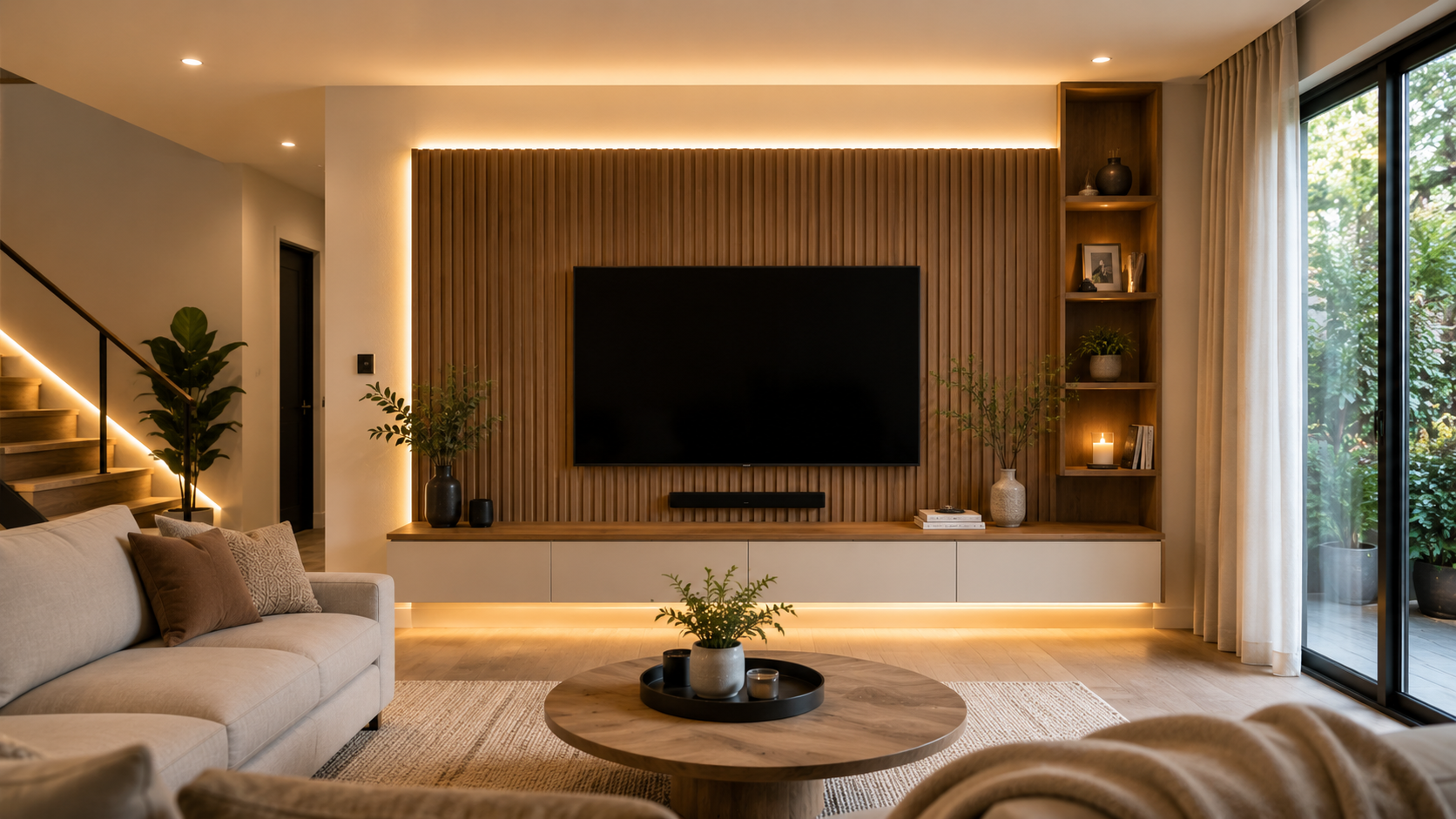
Have you ever looked at the wall your TV hangs on and thought, “This feels unfinished”? You’re not alone. In most living rooms, the television dominates the space—but too often, it’s surrounded by blank walls or mismatched décor that fails to complement it. The TV wall is one of the most-viewed spots in your home, so it deserves as much design attention as any other focal point.
Creating a well-styled TV wall doesn’t mean overwhelming the screen with clutter. It’s about finding a balance—enhancing visual interest, concealing wires, and adding personality without taking away from the screen. Whether your style leans minimalist, rustic, or ultra-modern, there are endless ways to turn your TV wall into a design masterpiece. Below, we’ll explore 19 creative ideas to help you design a TV wall that feels intentional, functional, and visually stunning.
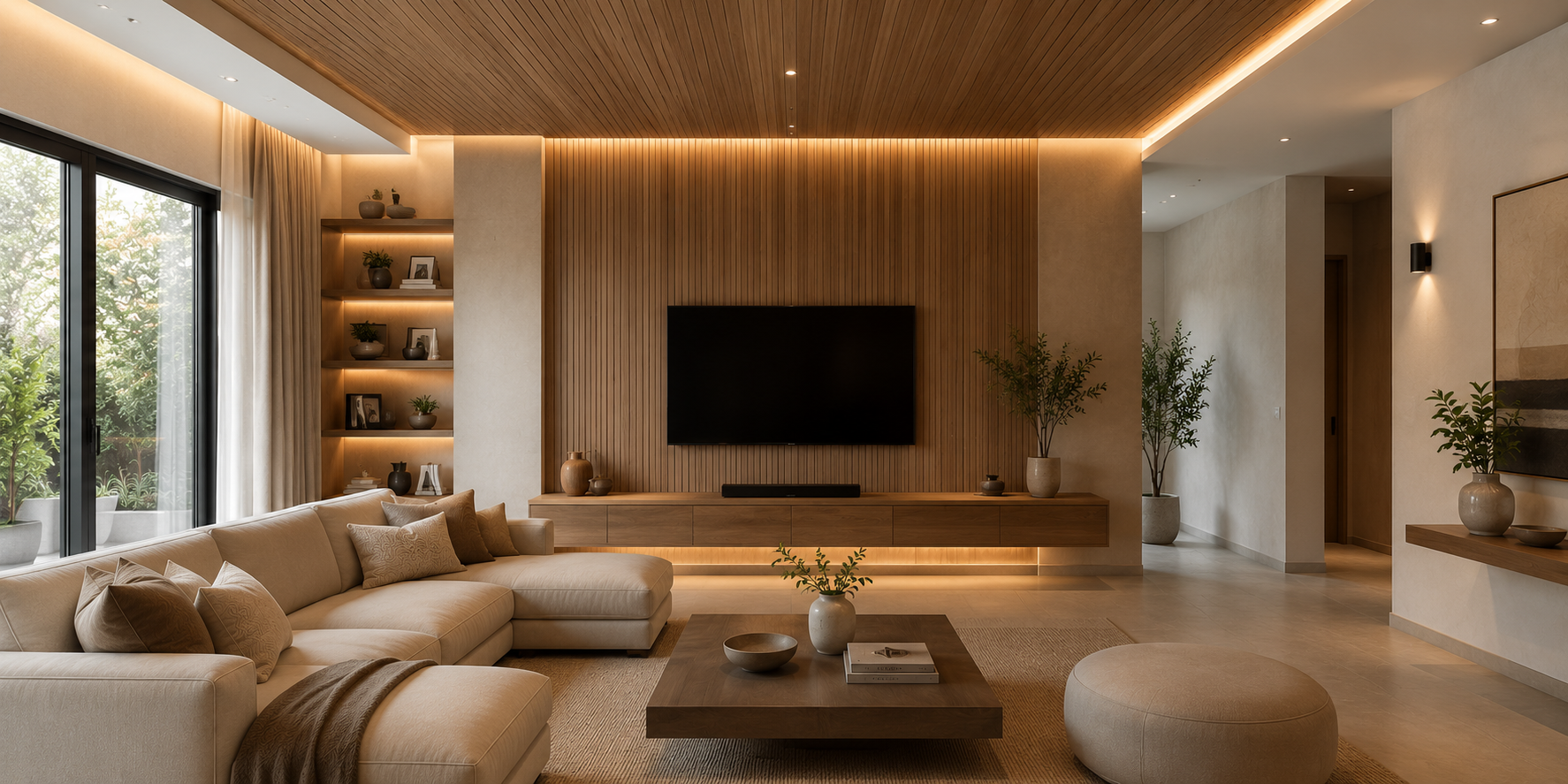
An accent wall transforms a plain TV setup into a deliberate design feature. It frames the screen and gives it context within the room. Materials like wood slats, reclaimed barnwood, stone veneer, or textured wallpaper can define your wall while complementing your décor.
For example, a vertical wood slat wall adds warmth and elongates the space, while stone veneer brings organic texture that balances the sleekness of the screen. Paint can also work wonders—choose a darker tone behind the TV to create contrast and draw the eye.
Design Tip: Coordinate the accent wall’s texture or color with your flooring or furniture for a cohesive flow.
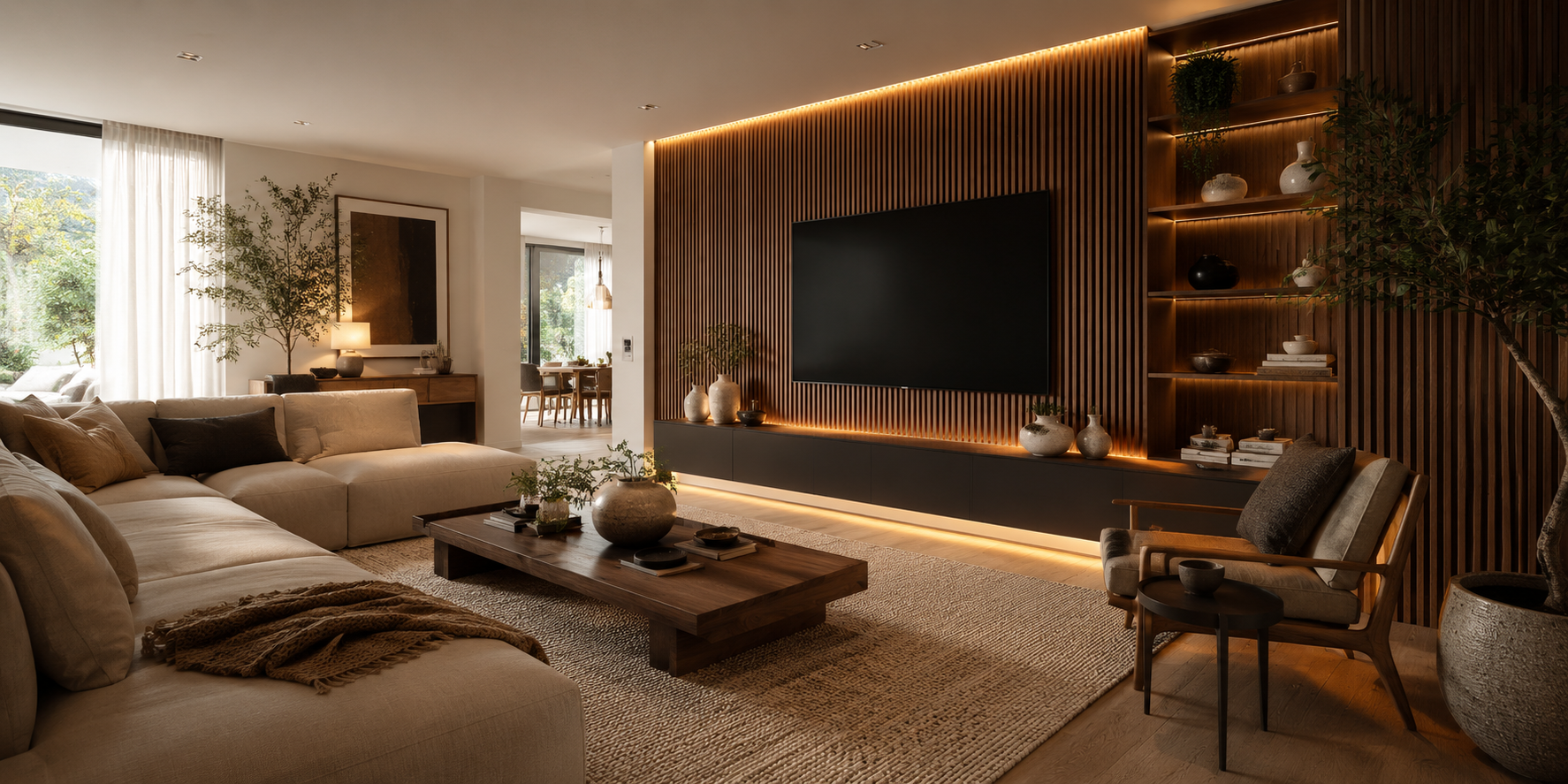
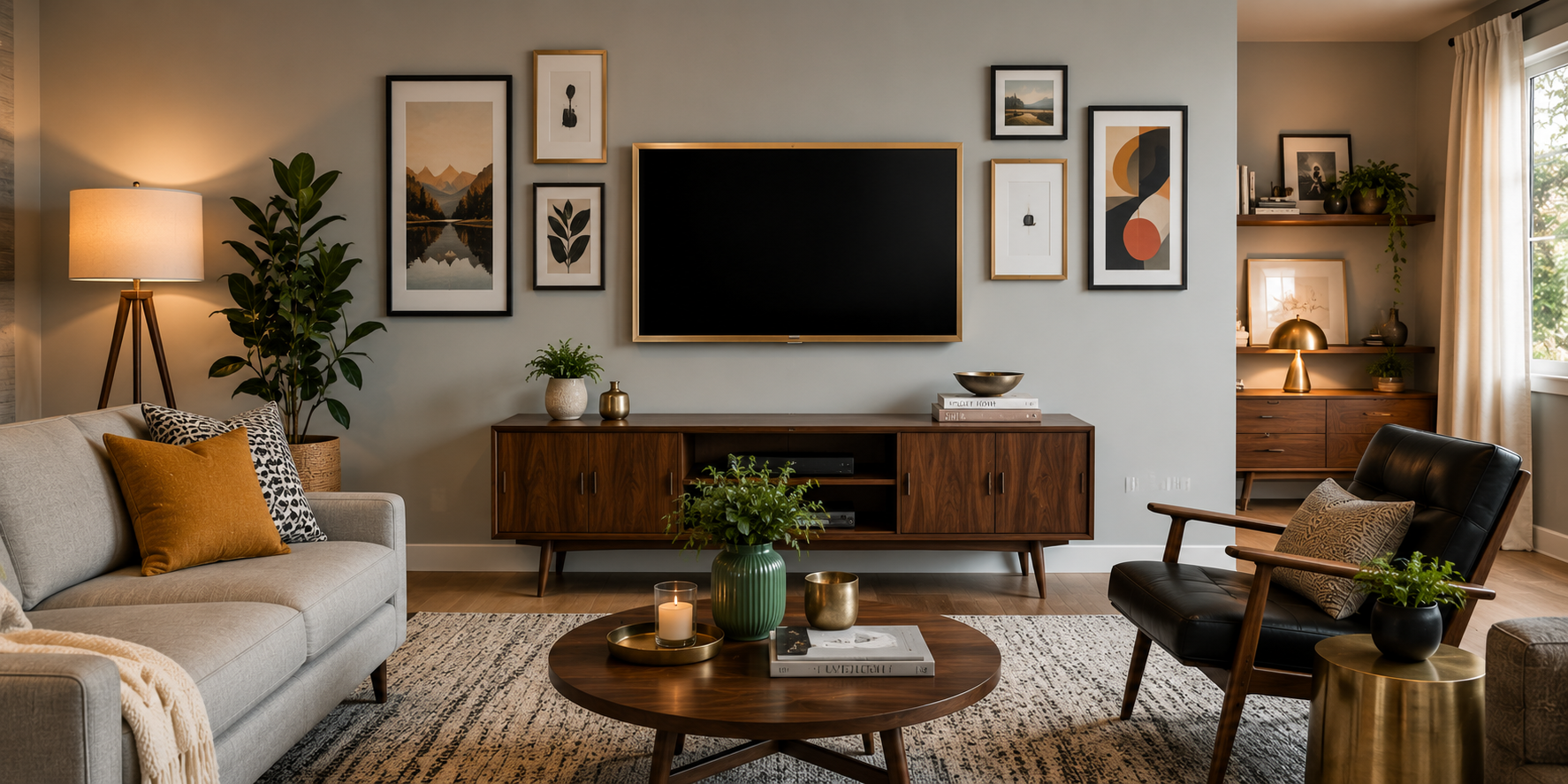
Today’s modern TVs are slim enough to double as art. Adding a frame around your television turns it into a design statement rather than an electronic box. You can buy digital frame-style TVs like The Frame by Samsung, which displays curated artwork when not in use, or you can DIY with a custom frame that matches your furniture’s finish.
This approach works beautifully in living rooms where aesthetics matter just as much as technology. Surround the framed TV with complementary artwork or photography to blend it seamlessly into a gallery wall.
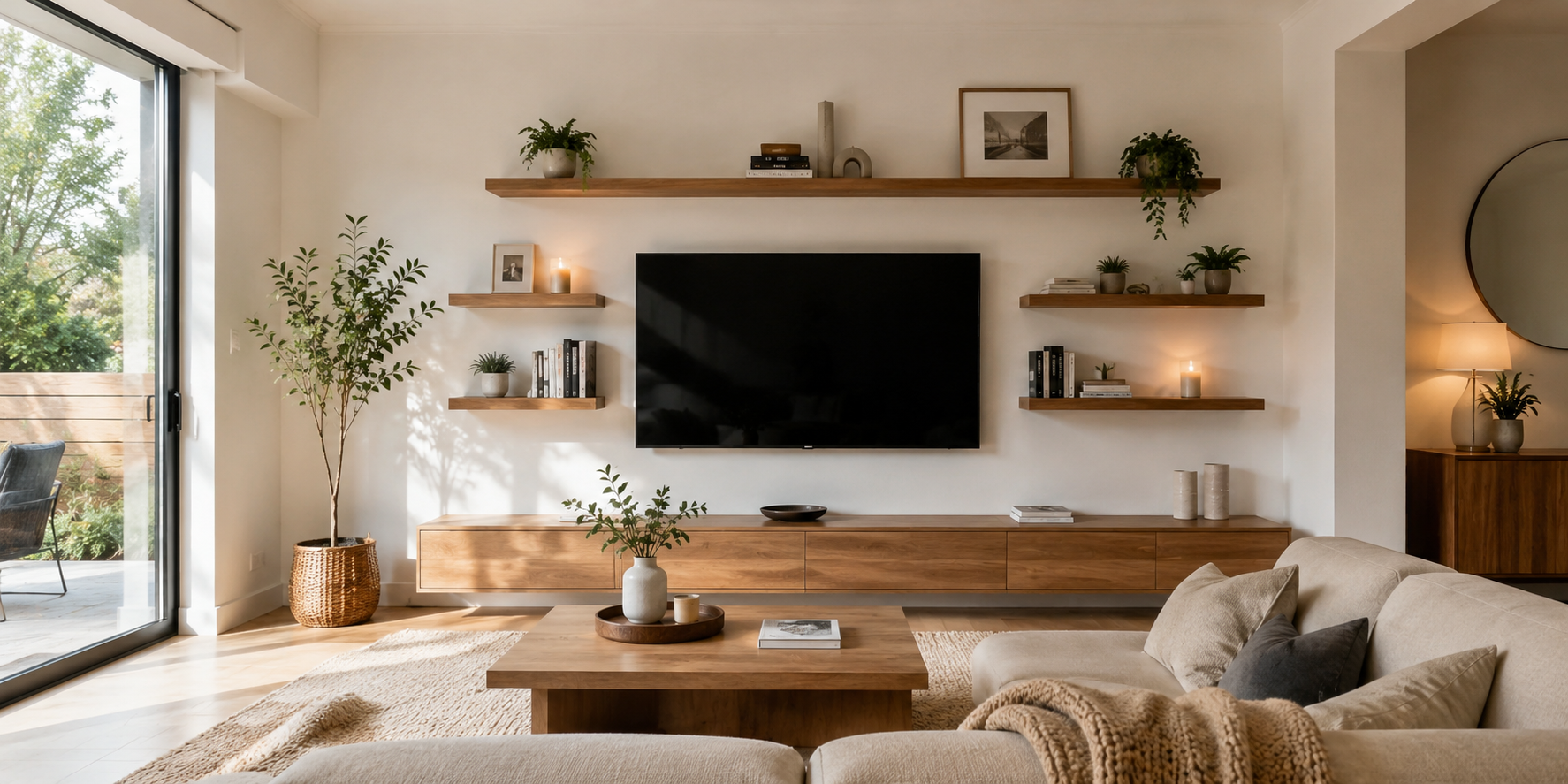
Floating shelves are one of the most versatile additions to a TV wall. They balance negative space, add storage, and provide room for creative styling. Arrange them symmetrically for a modern look or staggered for a casual, collected vibe.
Use them to display books, vases, or framed art that reflects your personality. You can even include hidden LED strips beneath shelves for added ambience. Floating units also help keep consoles, remotes, and décor organized while visually anchoring the TV.
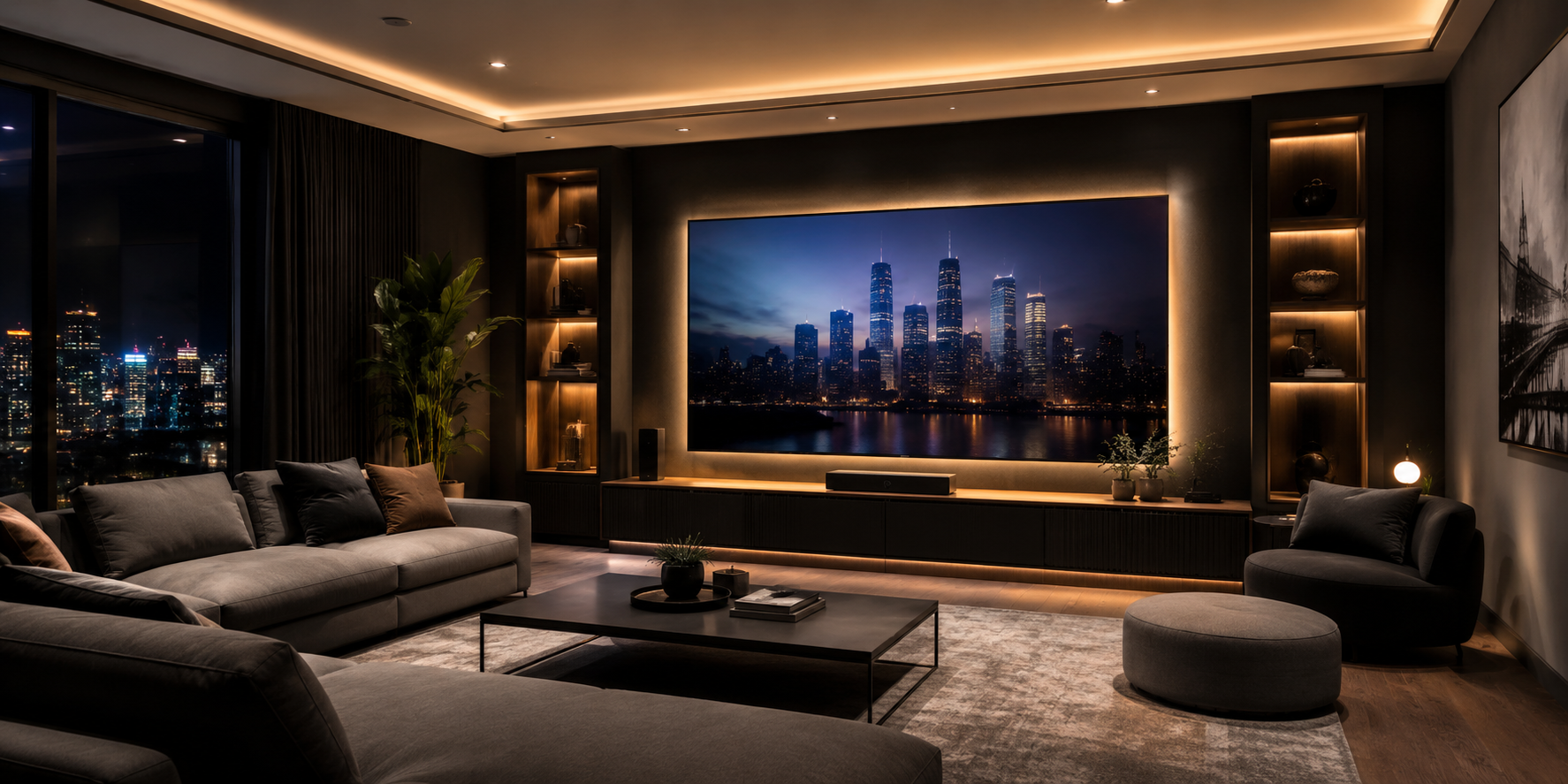
LED backlighting behind your TV adds instant depth and ambience. It’s not only stylish—it also improves viewing comfort by reducing contrast in dark rooms. Choose color-changing lights if you want to shift moods (warm white for cozy evenings, cool white for movie nights).
For a professional touch, integrate LED strips into recessed panels or along the perimeter of a wall unit. The subtle glow will make your entertainment area feel more immersive.
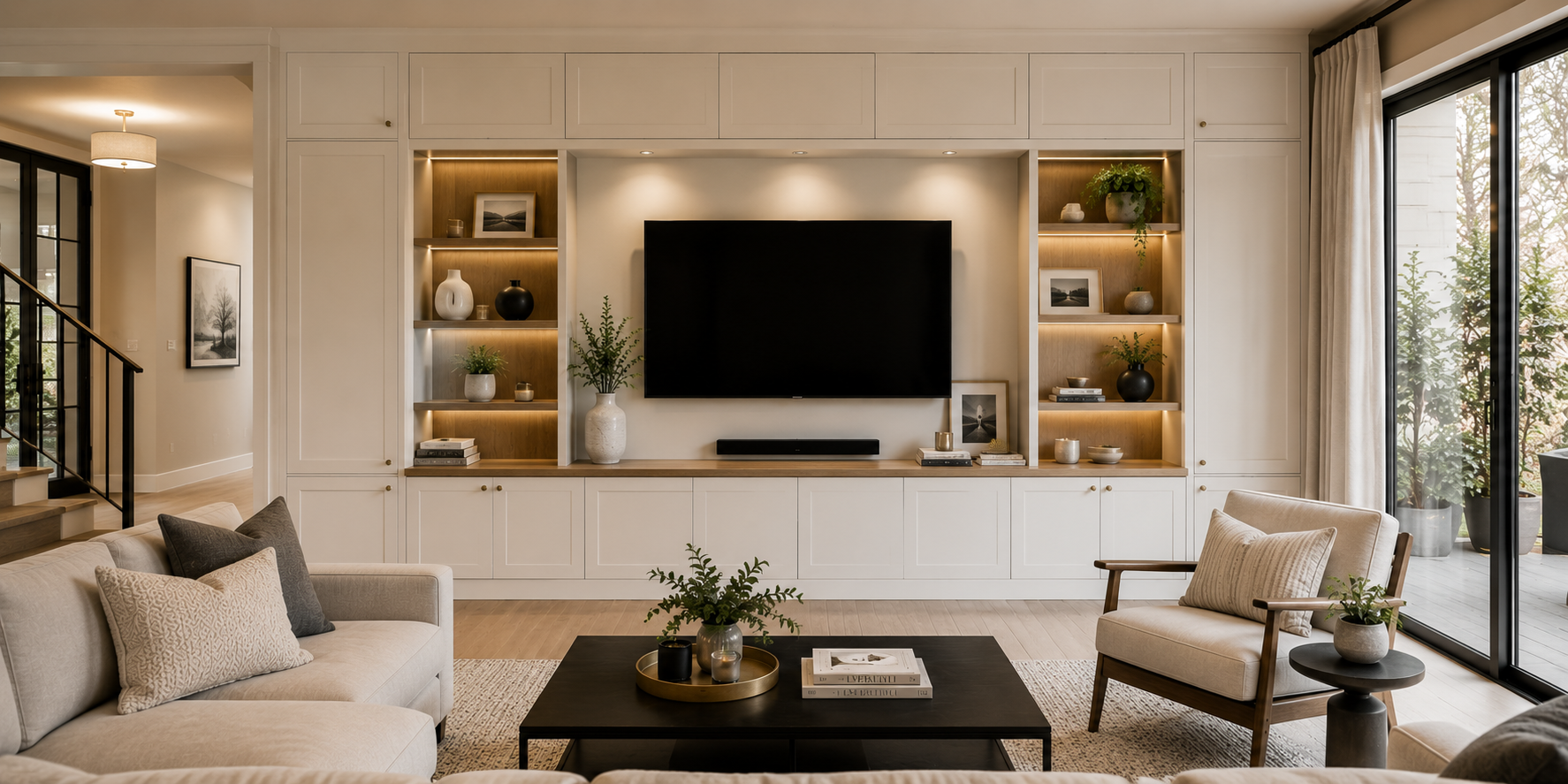
Built-ins are the hallmark of sophisticated living rooms. They offer storage, hide cables, and create a polished, unified aesthetic. When the TV is centered within a wall of cabinets, it feels like part of the architecture.
Add open shelving above or beside for display, and include closed cabinets below for electronics. Use matching hardware and finishes for cohesion. For large rooms, extend cabinetry across the full wall for a dramatic effect.
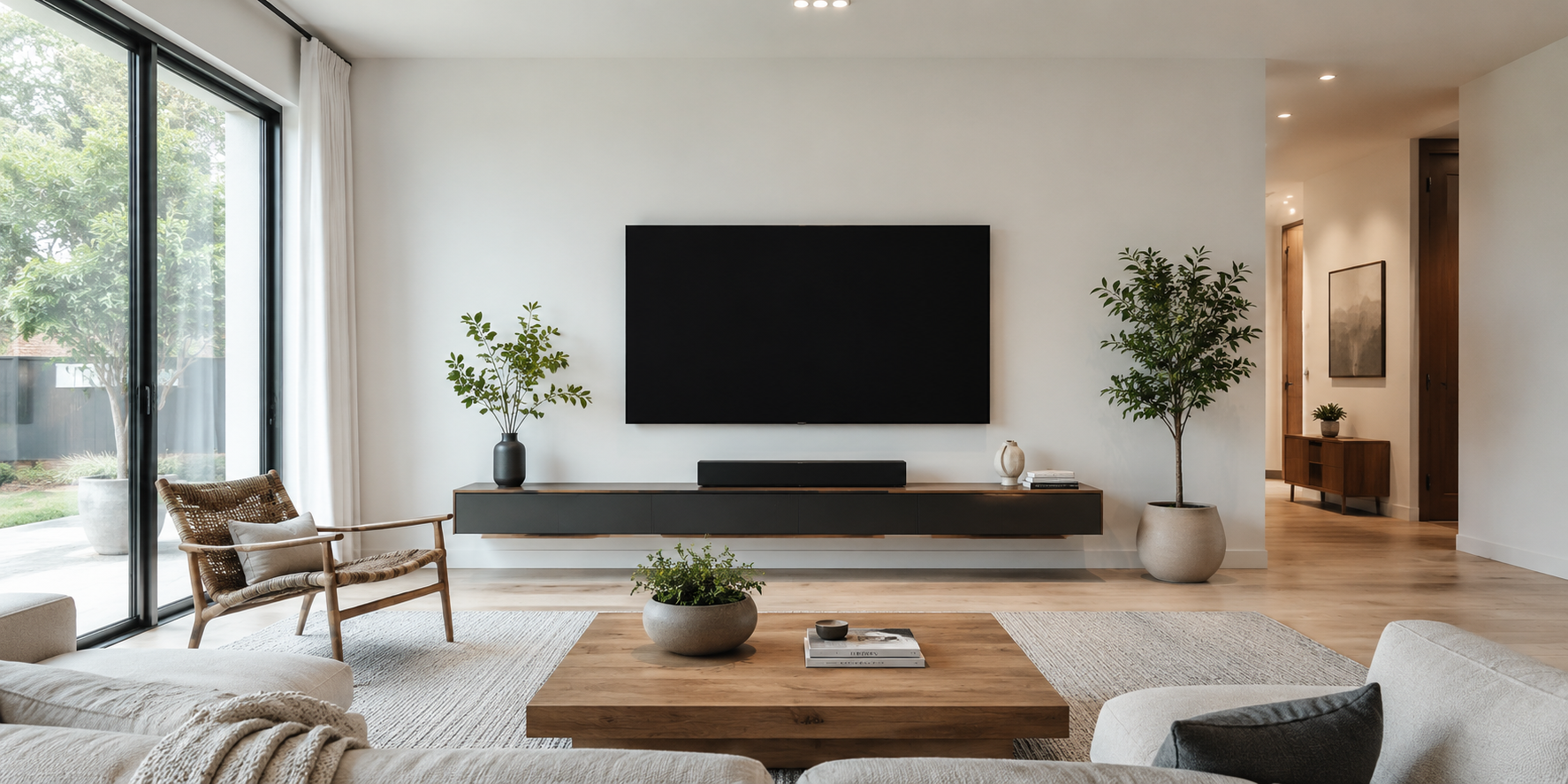
Simplicity can often speak louder than decoration. A minimal wall-mounted TV on a plain, uncluttered surface emphasizes sophistication and calm. Pair it with a sleek console that hides wires and devices.
Use cable channels or in-wall wiring to keep things neat. The key to a minimalist design is restraint—fewer elements, better quality. This approach suits small apartments, lofts, or contemporary homes beautifully.
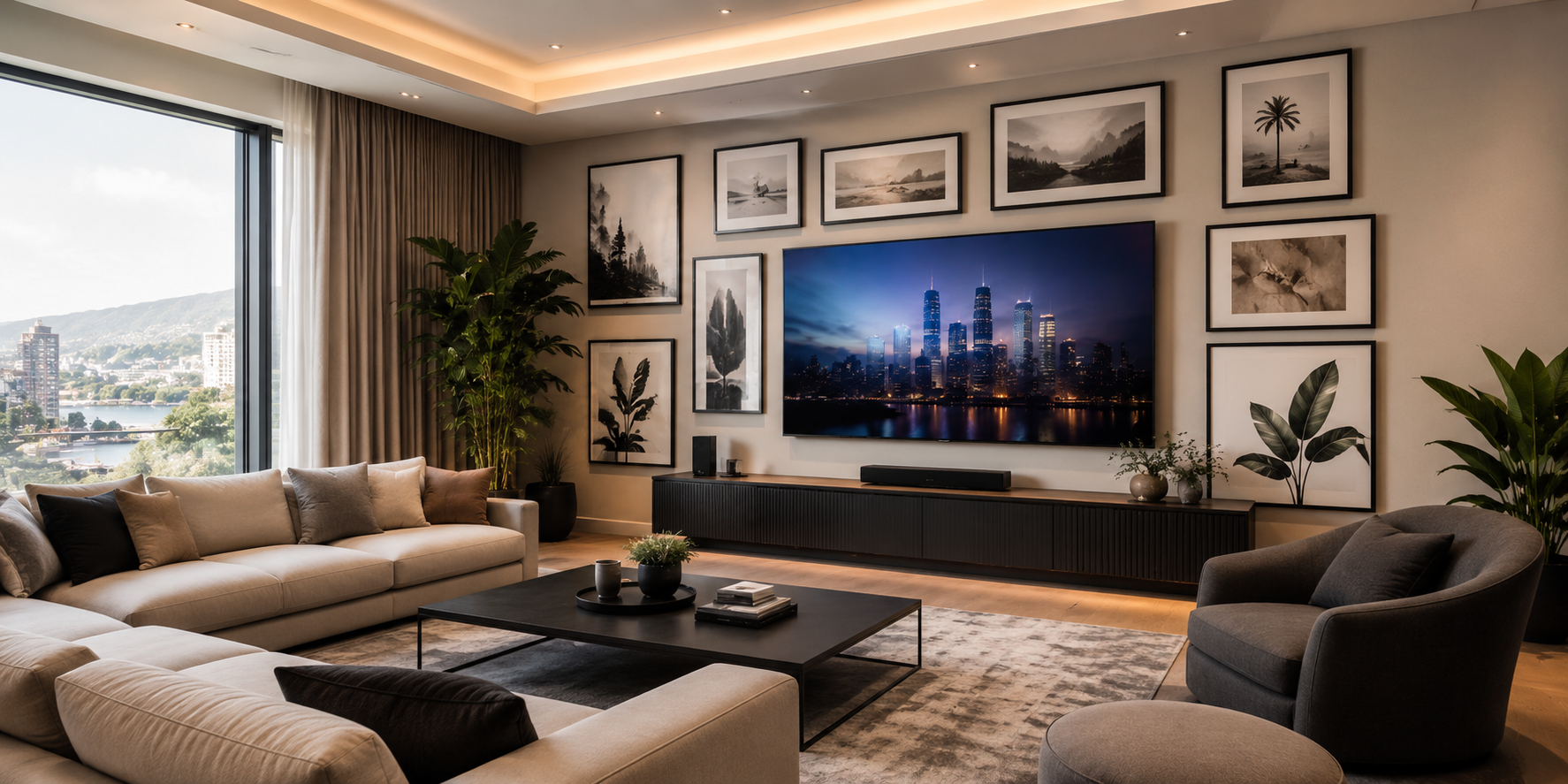
Mixing art and technology is one of the best ways to humanize a space. Surround your TV with framed art, photographs, or typography prints to balance its rectangular form. Keep frames uniform for a cohesive look, or mix metals and woods for an eclectic style. Art should echo the color palette of your room to ensure visual harmony. A gallery wall softens the starkness of a black screen and makes the wall feel lived-in and layered.
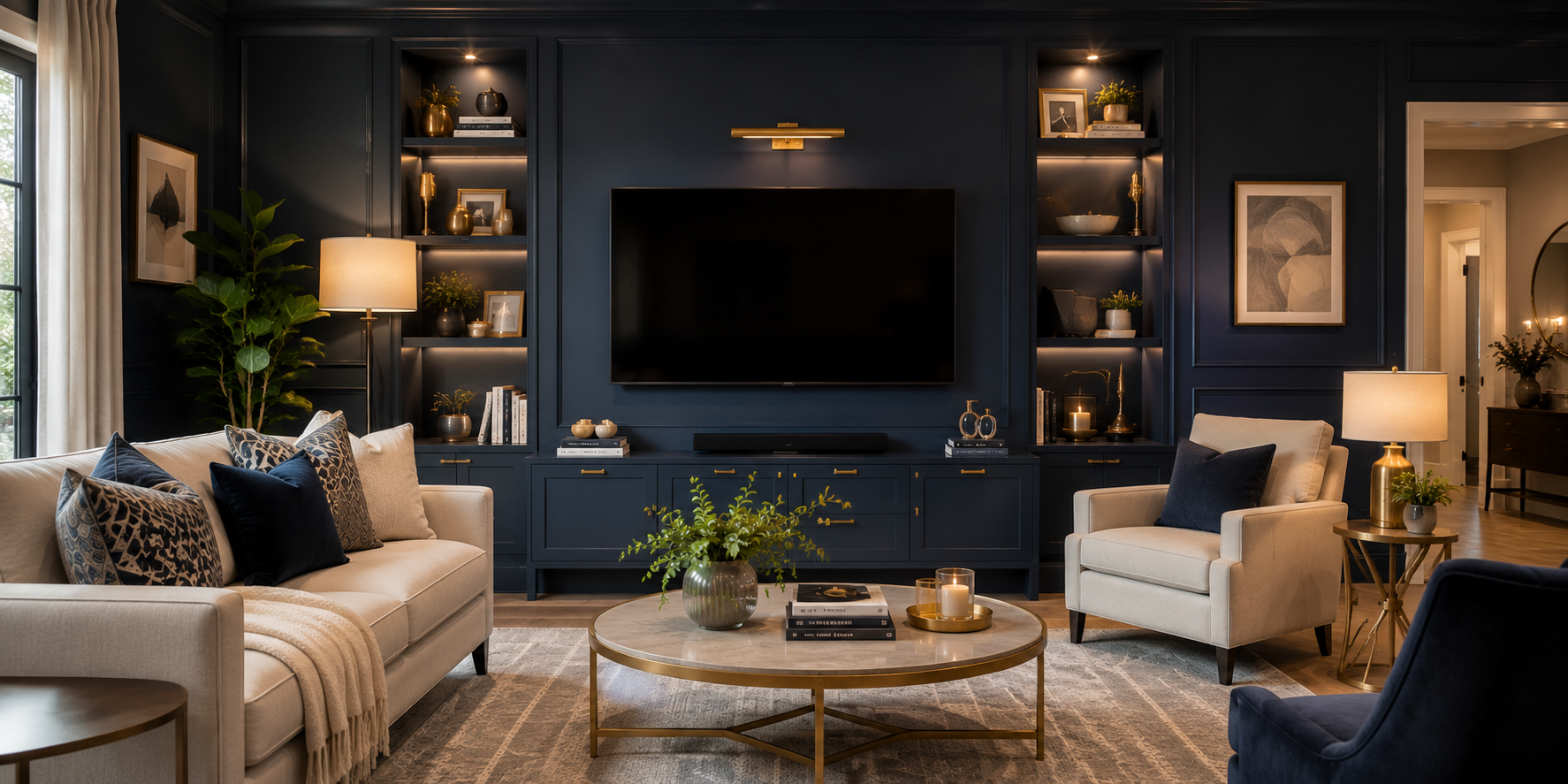
Painting the wall behind your TV a dark color helps the screen disappear when it’s off. Deep charcoal, navy blue, or forest green adds cinematic sophistication. For more depth, try wallpaper with subtle texture or metallic sheen. This works especially well in modern or moody interiors. If your furniture is light-colored, the contrast will feel both stylish and balanced.
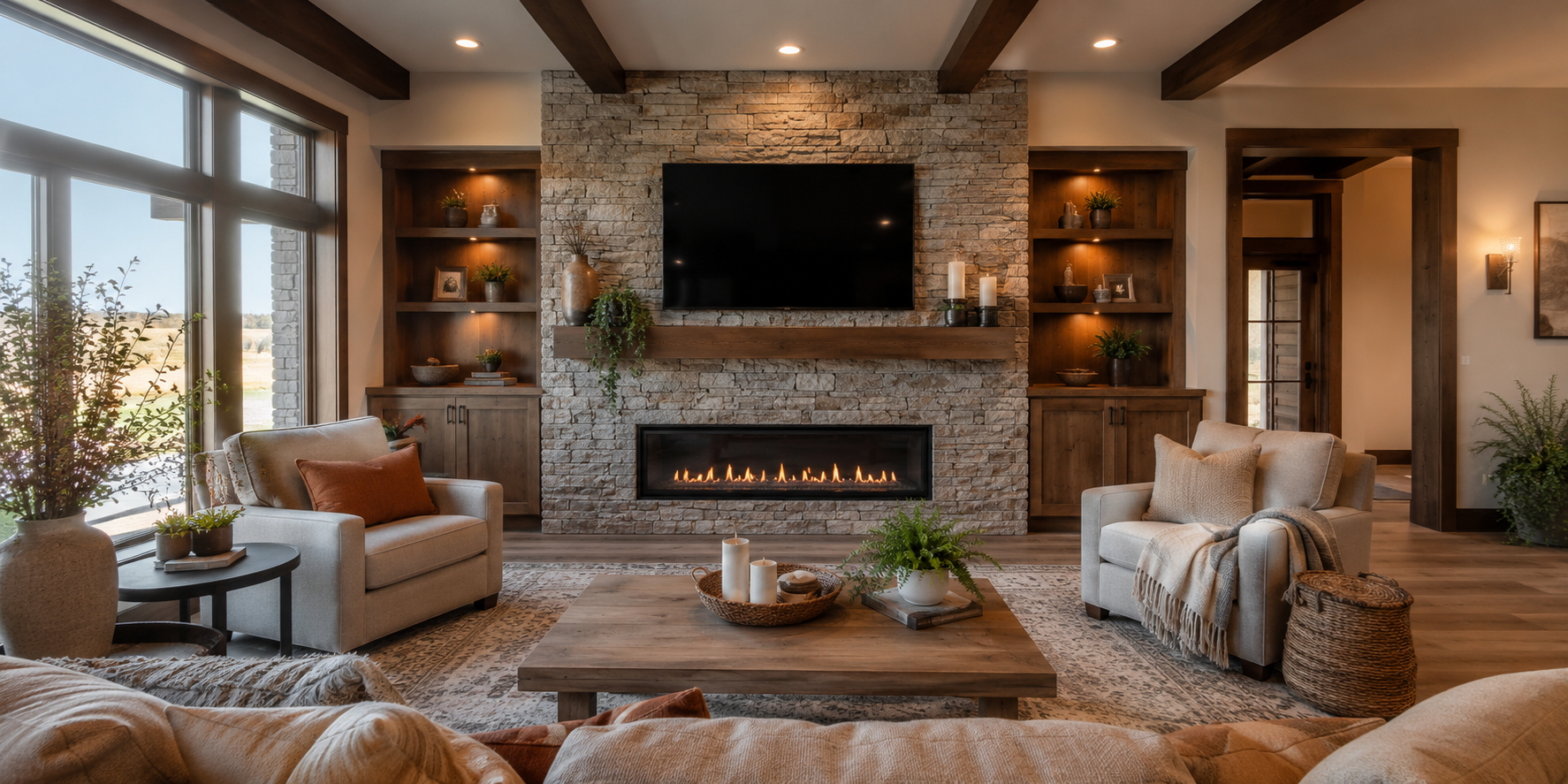
Few combinations are as classic as a fireplace and TV wall. This setup creates warmth—both visual and literal—and becomes a natural gathering spot. You can mount the TV above a linear electric fireplace or build them side-by-side within a custom surround. Stone, tile, or concrete adds timeless texture, while floating mantels keep the look modern. Be sure to maintain safe heat clearance and use wall mounts designed for elevated installations.
Wall paneling transforms a flat surface into something architectural. Shiplap, beadboard, or modern grid molding can make the TV wall feel more intentional. Paint it to match your trim for subtle sophistication or in a contrasting tone for emphasis. Adding panels can also hide wiring and reinforce the style of your home—farmhouse, coastal, or contemporary.
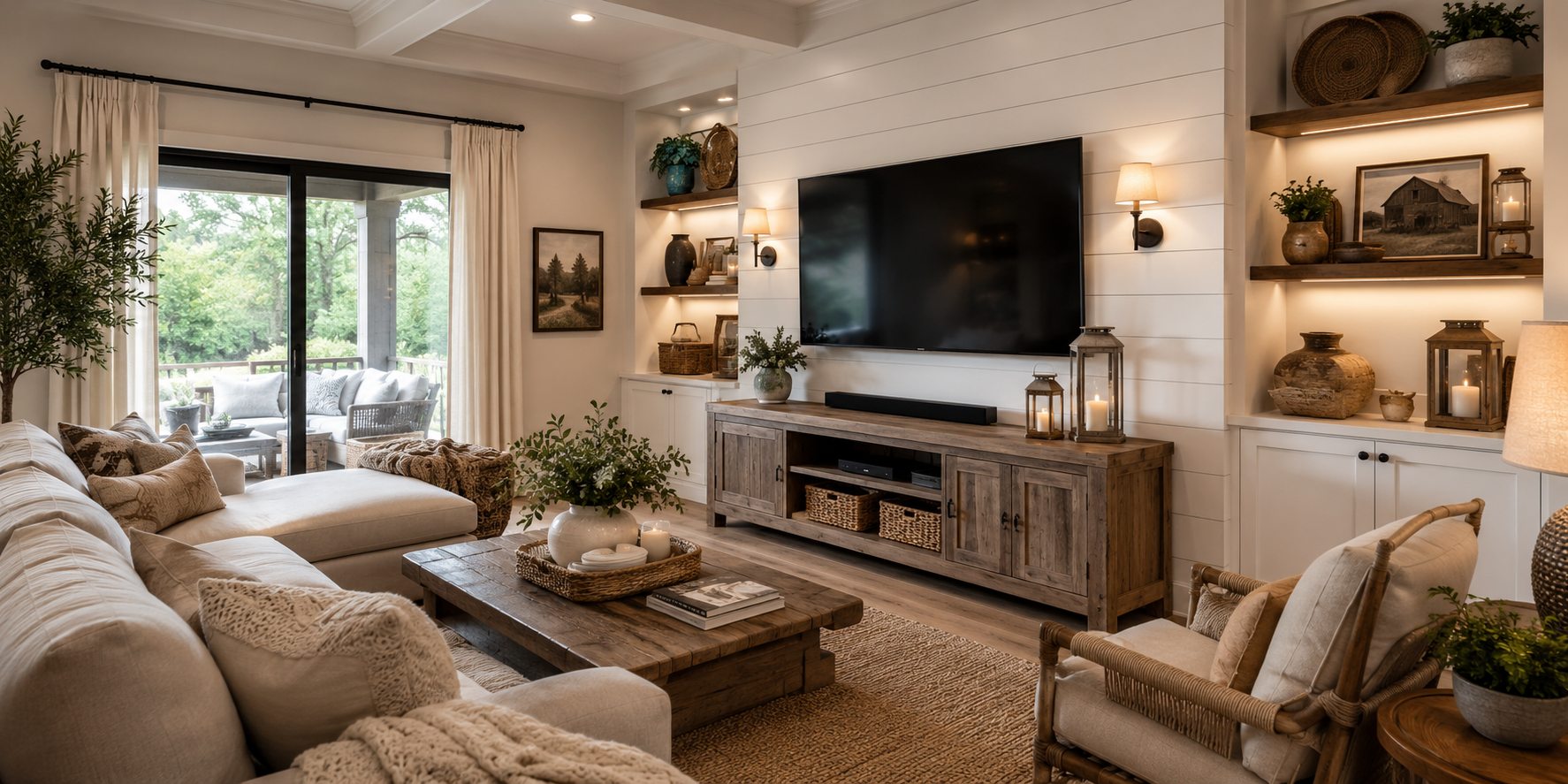
Plants breathe life into any media wall. Place potted plants on nearby shelves, hang planters above, or use cascading greenery that frames the screen softly. This natural contrast makes technology feel warmer and more balanced. Mix real and faux plants for easy maintenance, and vary leaf sizes for visual rhythm. The interplay of green tones complements wood and neutral palettes perfectly.
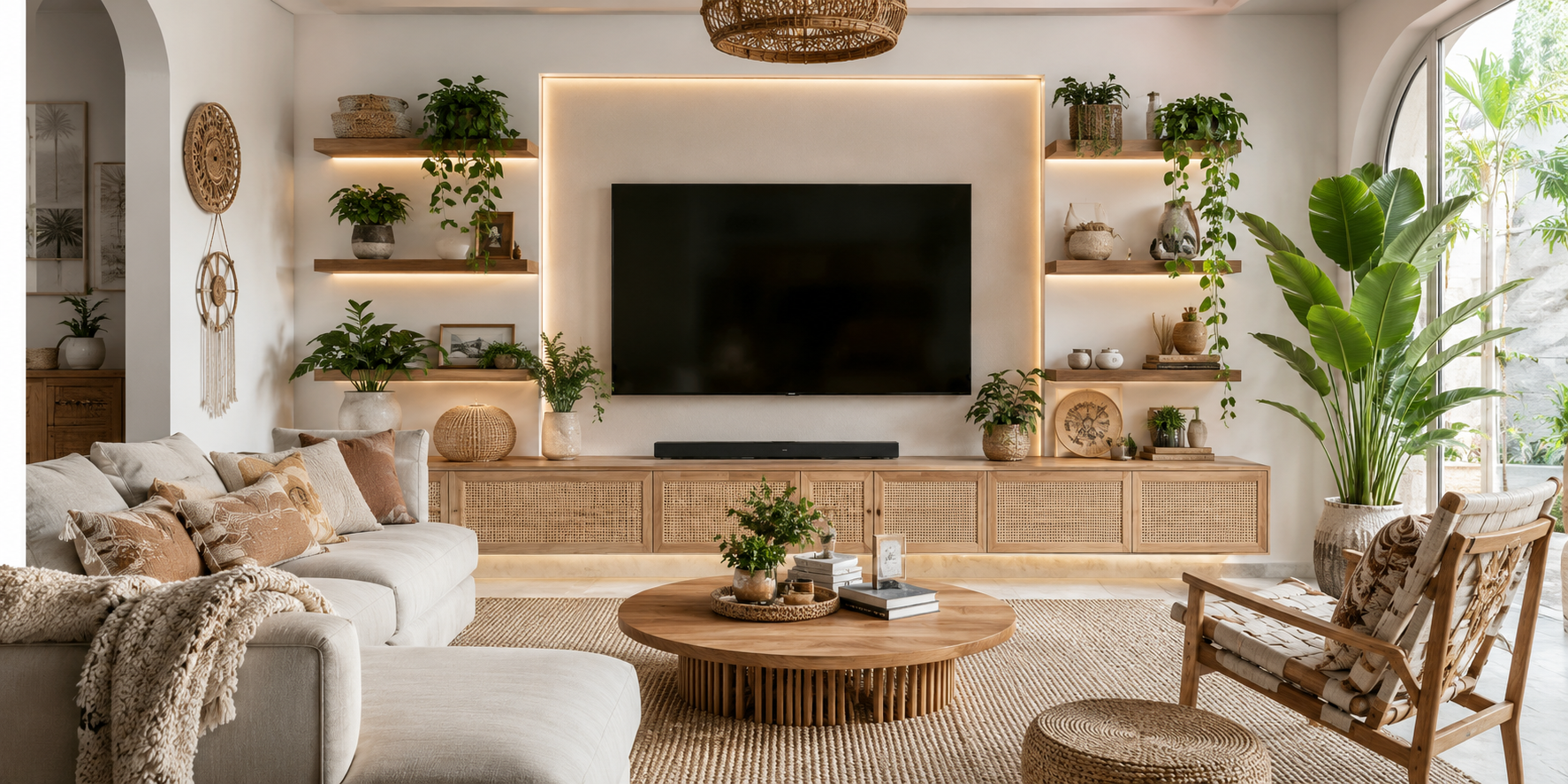
Blending textures like wood, stone, and metal creates richness and depth. Use a wood panel behind the TV with stone accents on either side, or frame the screen with slim metallic trim. This approach gives your wall a designer edge that feels tailored and cohesive. Don’t overdo it—limit yourself to two or three complementary materials for balance.
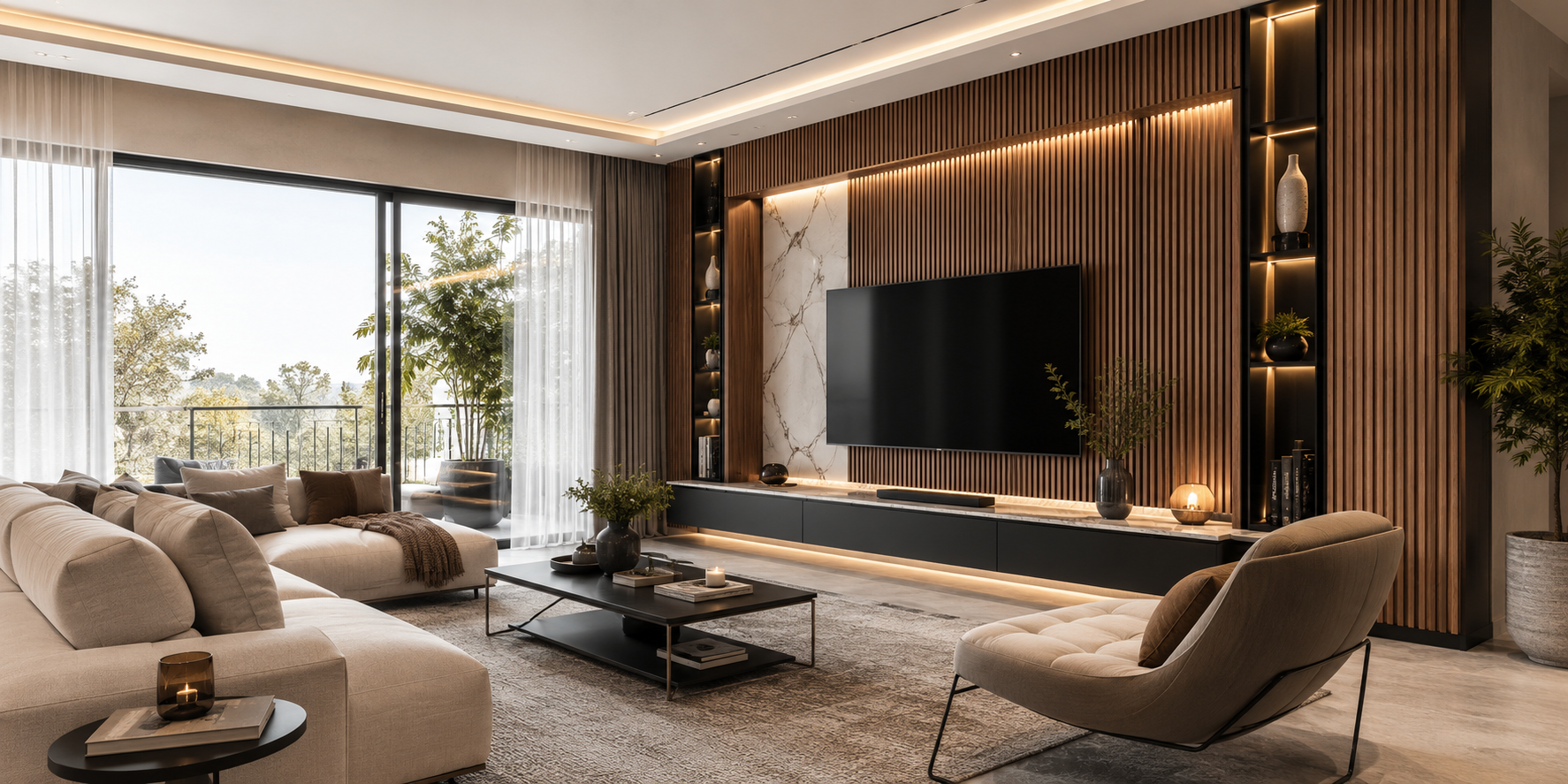
No one likes visible cords or cluttered consoles. Use hidden storage solutions—like pull-down panels, sliding doors, or concealed drawers—to keep your wall clean. A floating media cabinet offers space for devices without taking up floor area. In small homes, built-in cubbies beneath the TV can double as storage for games, DVDs, or decor baskets.
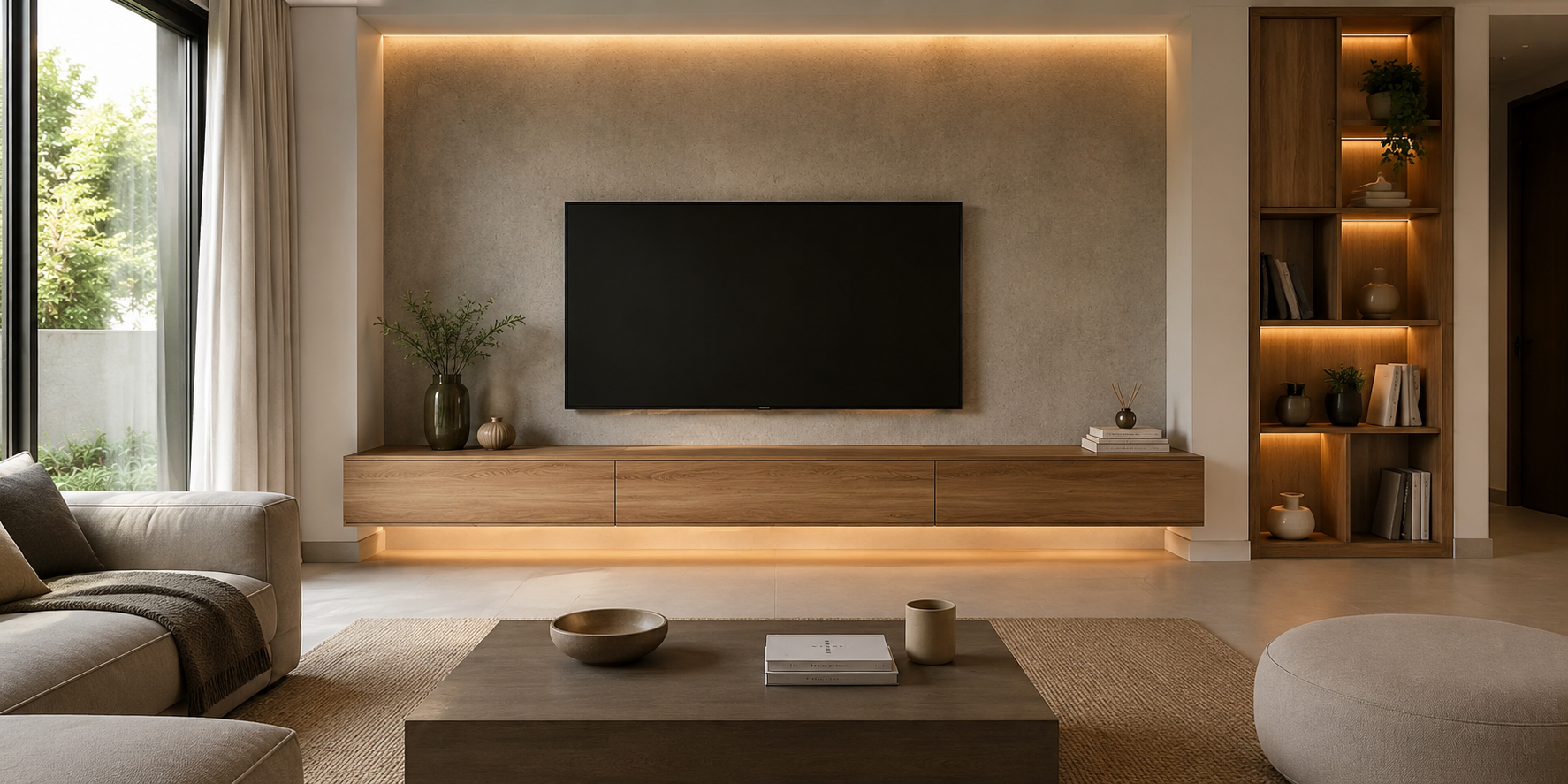
Wall sconces or picture lights flanking your TV add symmetry and depth. Use warm bulbs to soften shadows and draw attention to the wall’s texture. Smart dimmers let you adjust brightness for movie nights or everyday ambience. When paired with artwork or decorative shelving, sconces add a layered, high-end aesthetic.
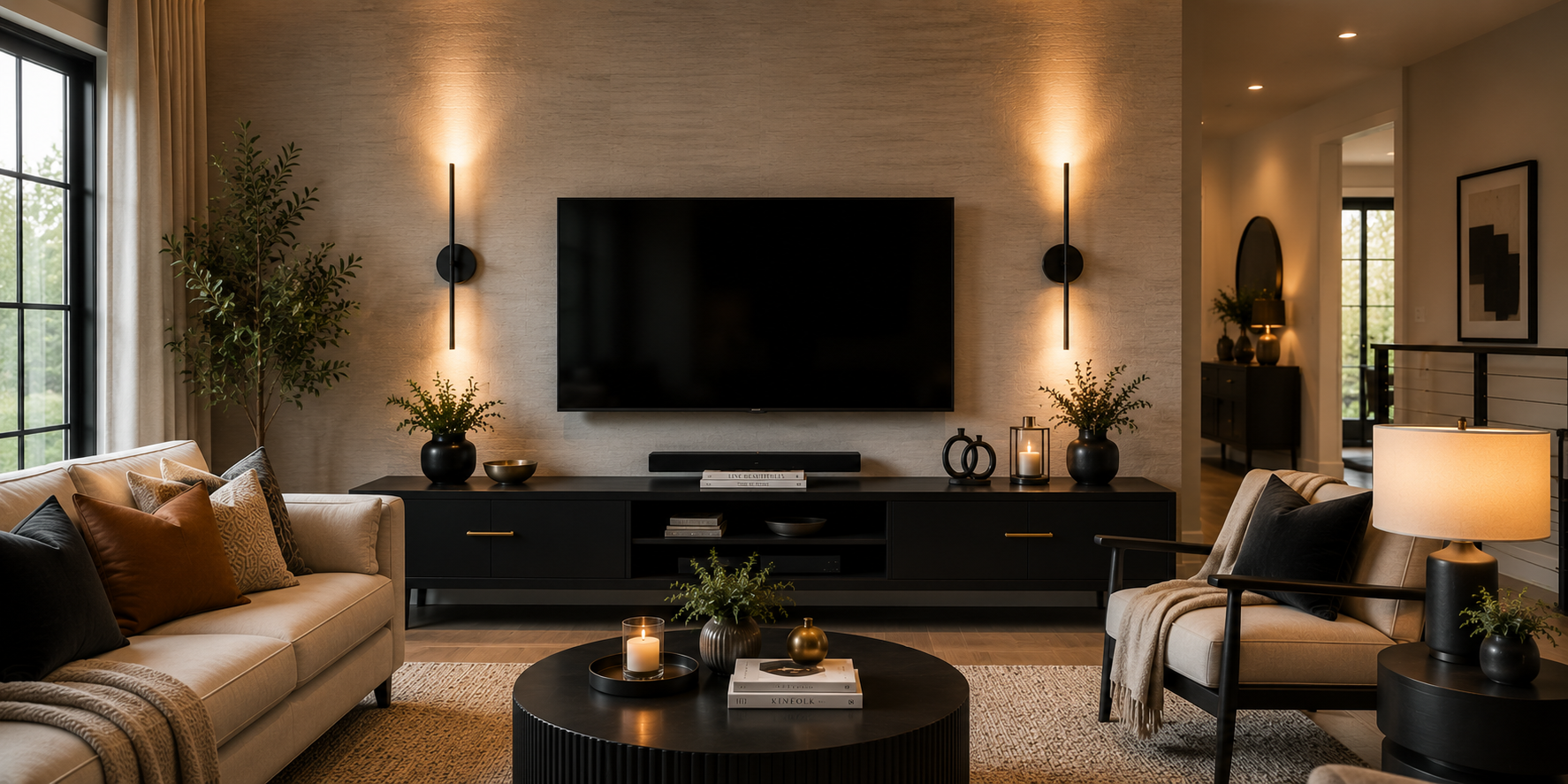
Acoustic panels serve double duty—enhancing sound quality while looking stylish. Choose panels wrapped in fabric, faux leather, or wood for visual interest. They absorb echo and make your home theater experience richer. Arrange panels in geometric patterns or alternate tones for an artistic touch.
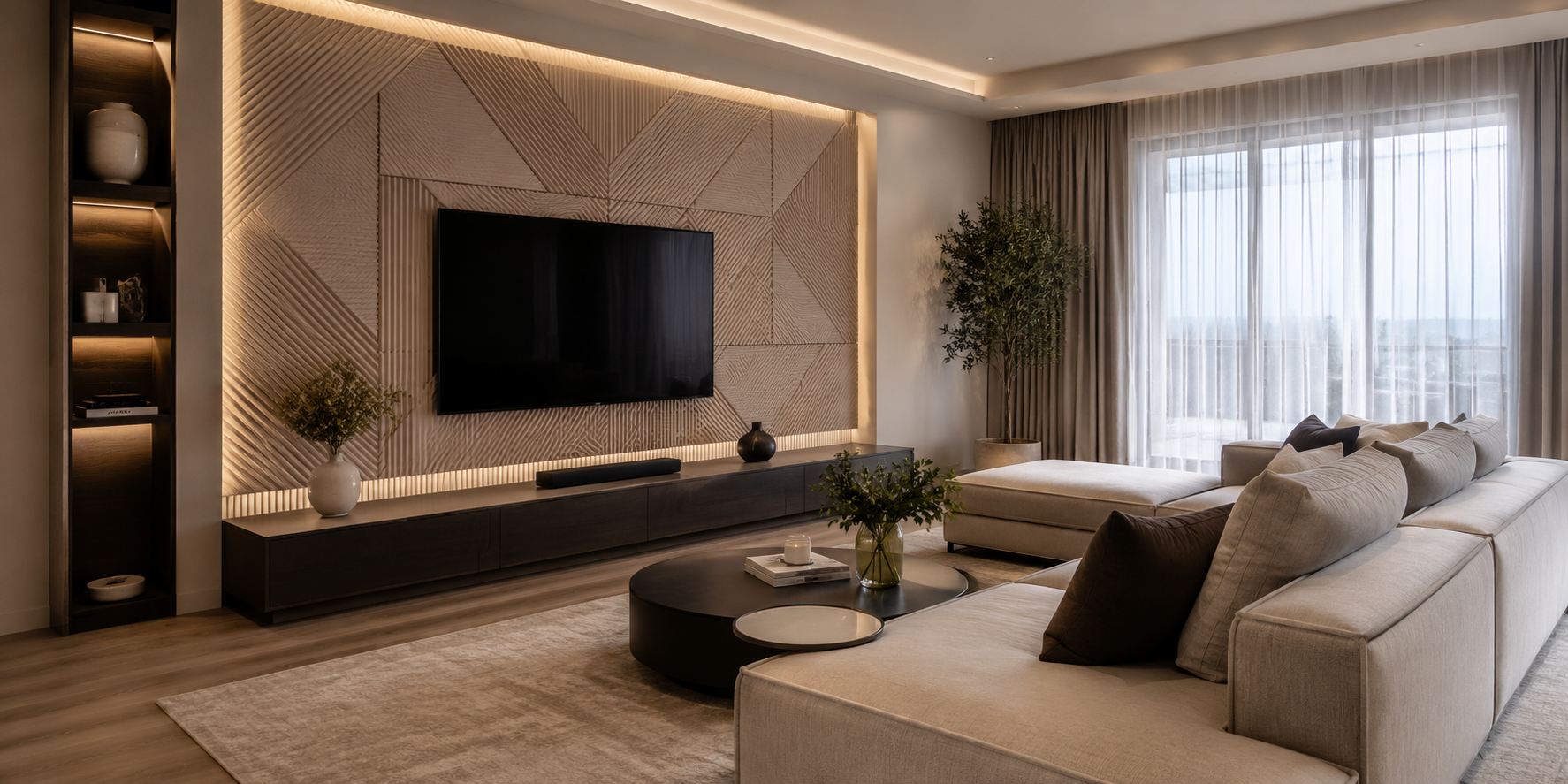
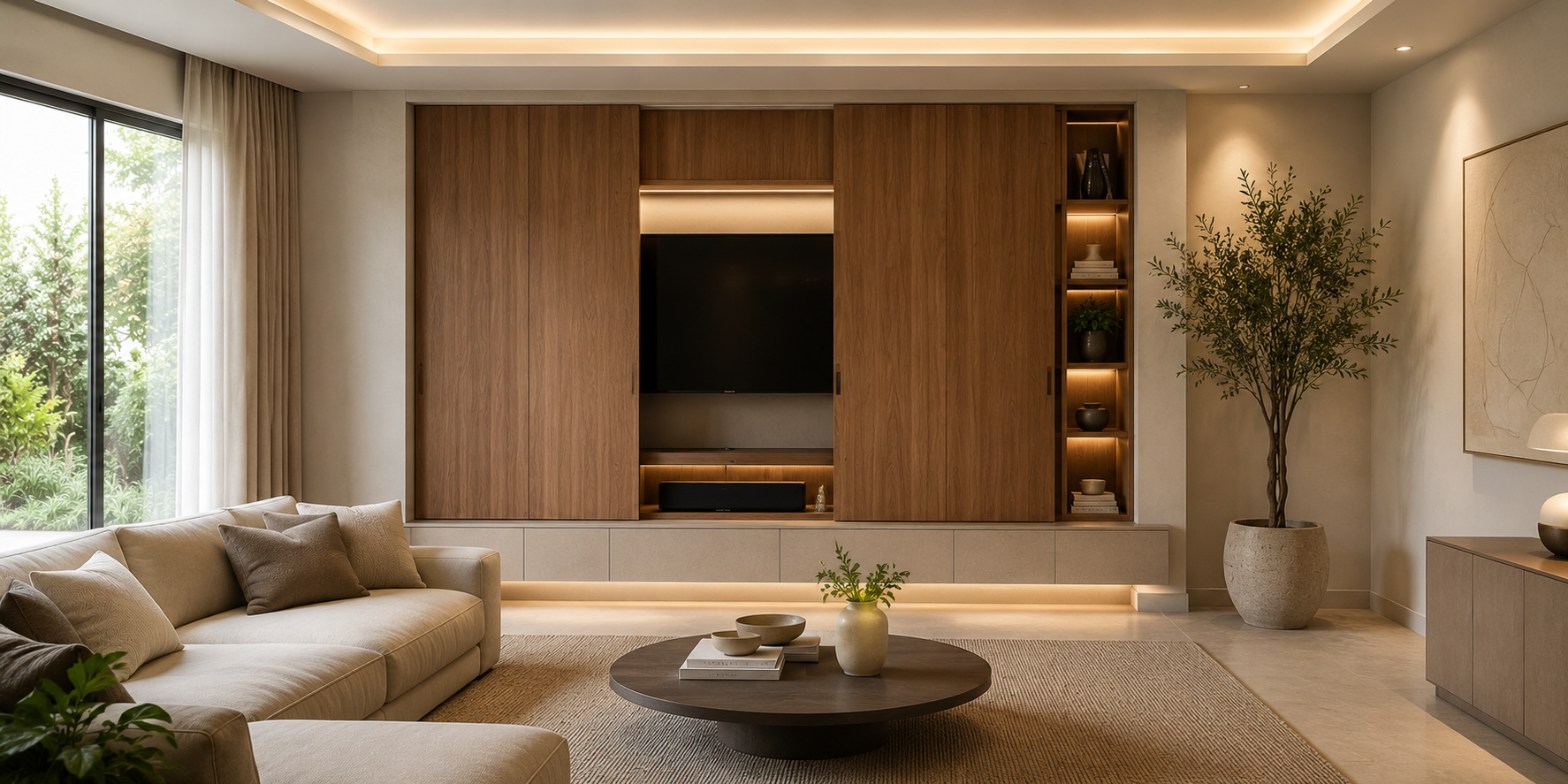
When you prefer a more refined, art-gallery feel, hide your TV behind sliding panels or doors. This approach works in multipurpose rooms where you don’t always want the screen visible. You can use reclaimed wood, cane weave, or high-gloss panels, depending on your décor style. When closed, the wall looks like an elegant built-in; when open, it’s movie-ready.
Mirrors reflect both natural and artificial light, making small rooms appear larger. Consider mirrored wall tiles or a mirrored panel around the TV to amplify brightness. Be strategic—place mirrors to reflect windows or lighting rather than the TV screen itself.
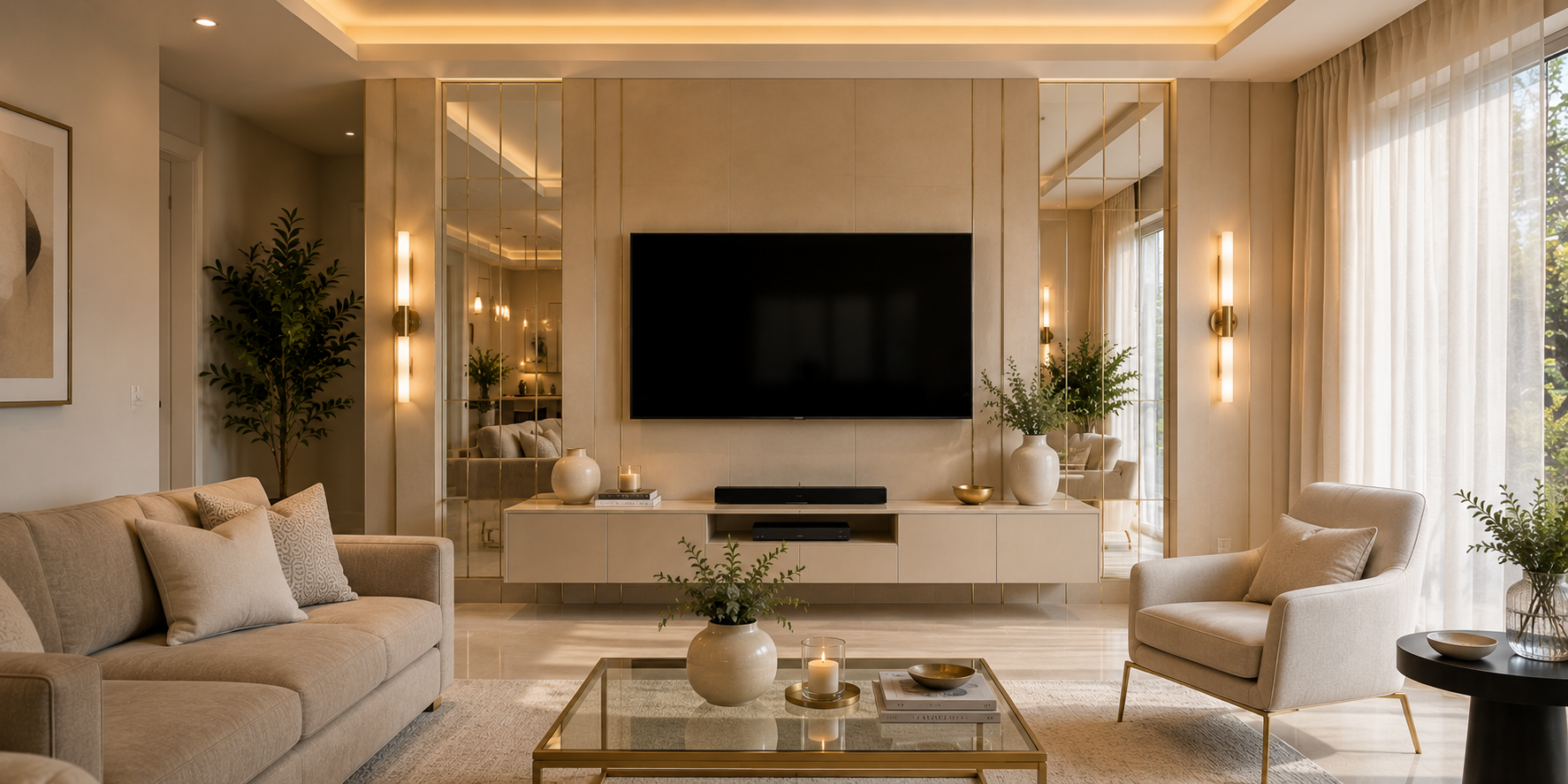
Bring texture and dimension with sculptural wall décor. Metal wall art, carved wood panels, or ceramic reliefs can flank your TV, giving the wall artistic personality. Choose pieces that don’t compete with the screen’s focal point but complement it. This idea works especially well in contemporary or eclectic homes seeking a balance between art and technology.
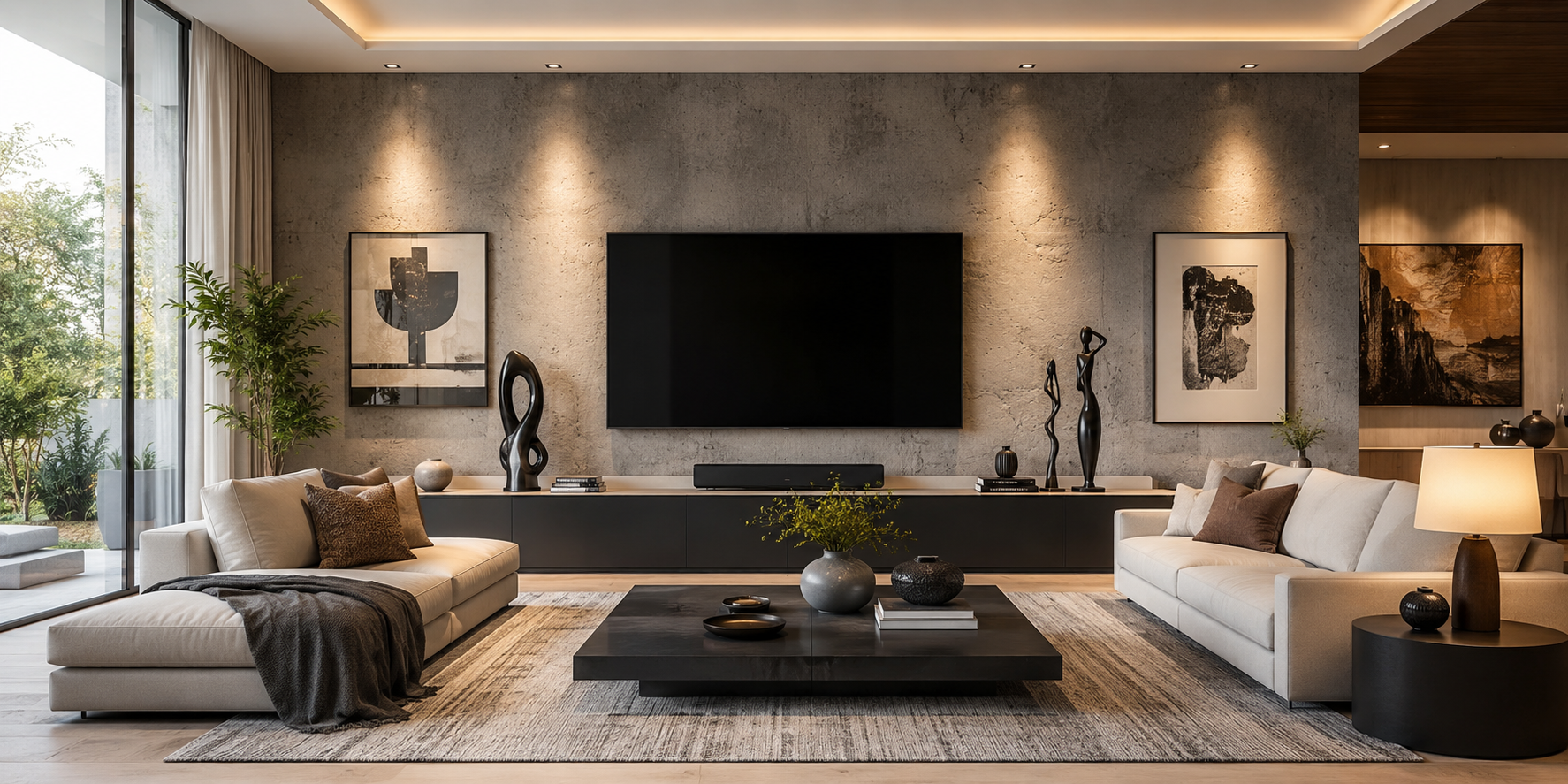
For a truly striking setup, carry your wall design up to the ceiling. Continuous materials—like wood slats or LED strip lighting—create an immersive effect that visually enlarges the room. This technique works best in open-plan spaces where the TV wall anchors the living zone. It makes the design feel architectural rather than decorative.
You don’t need a designer budget to elevate your TV wall. Try:
Even with minimal investment, thoughtful design can dramatically transform your space.
A TV wall isn’t just for entertainment—it’s a design opportunity waiting to be explored. With these 19 decorating ideas, you can turn an ordinary wall into a stylish focal point that reflects your taste and enhances your lifestyle.
Whether you choose warm wood paneling, hidden storage, or a minimalist floating console, the key is balance: blending technology seamlessly into the flow of your living space. Let your TV wall tell a story—one of creativity, comfort, and curated design. Your living room deserves more than just a screen. With thoughtful styling, it becomes an experience.
G2G Team
05-18-2026
Let’s Build
Contact us todayGet daily tips and tricks for making your best home.
2025 Green to Gorgeous