3 MIN READ
Decor Ideas
Written By
G2G Team
Published
June 15, 2026
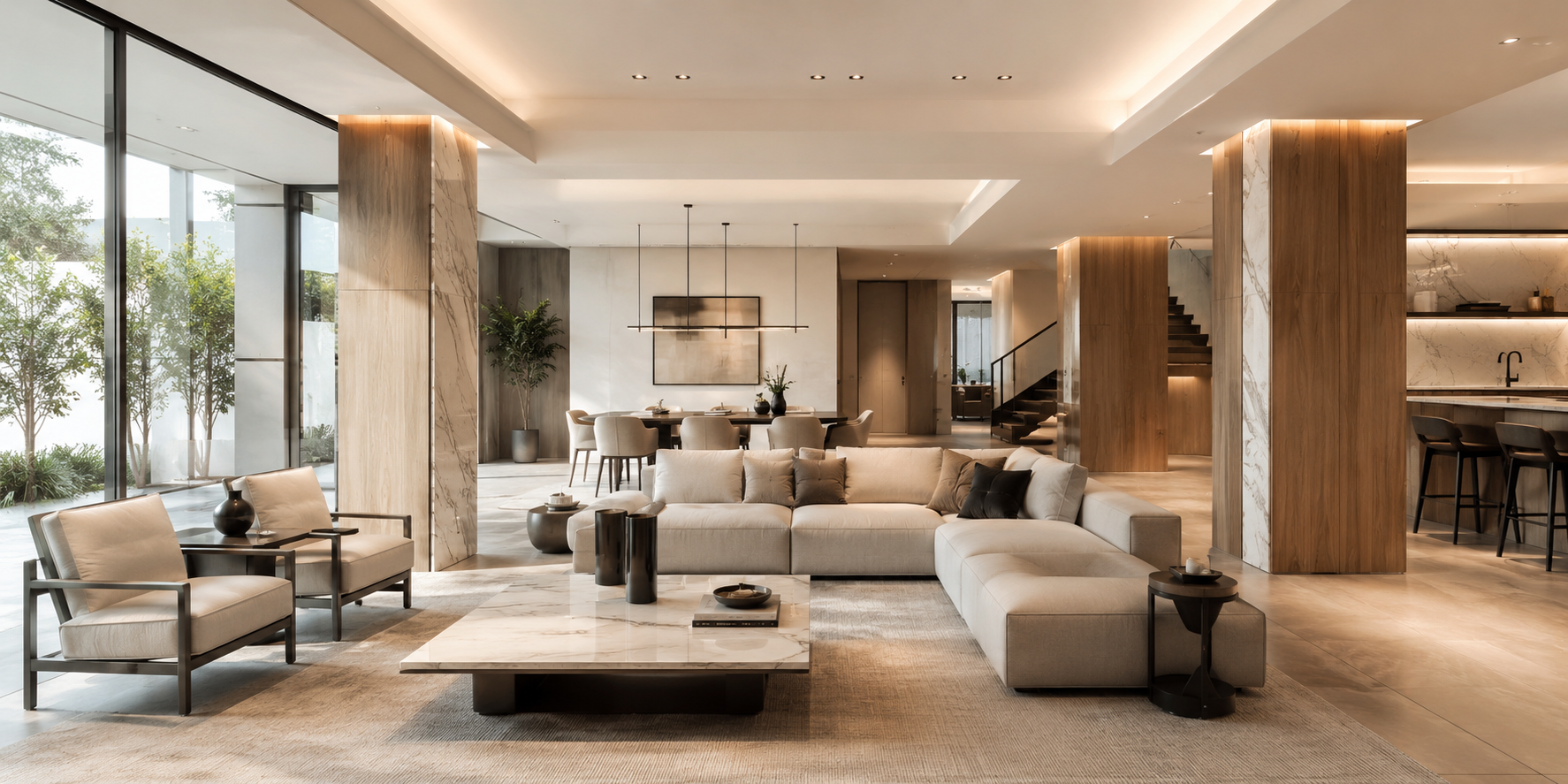
Columns can be both a blessing and a design challenge. They support the structure of your home — literally holding it up — yet visually, they often interrupt open layouts or draw attention away from focal points. Whether they’re load-bearing pillars in your living room or structural supports in the basement, columns can feel awkward if left unfinished or outdated.
But here’s the exciting truth: columns don’t have to be an eyesore. With creativity and thoughtful design, they can become stunning architectural statements — or blend so seamlessly into your decor that they feel intentional. From sleek paneling and stone veneers to cozy built-in shelving and artistic wraps, there are endless ways to disguise or decorate columns with style.
In this article, we’ll explore 19 column covering ideas that merge function with aesthetics — turning necessary structures into design highlights that enrich your space.
There’s something timeless about the natural texture of wood. Wrapping a column in wood paneling instantly softens the space, adding warmth and character. You can use oak for Scandinavian simplicity, walnut for deep luxury, or reclaimed barn wood for rustic charm. The grain brings organic texture that feels both grounded and sophisticated. Align panels vertically to emphasize height or horizontally for a more contemporary look. Wood finishes pair beautifully with metal accents, neutral walls, or stone floors — offering a warm counterbalance to modern interiors.
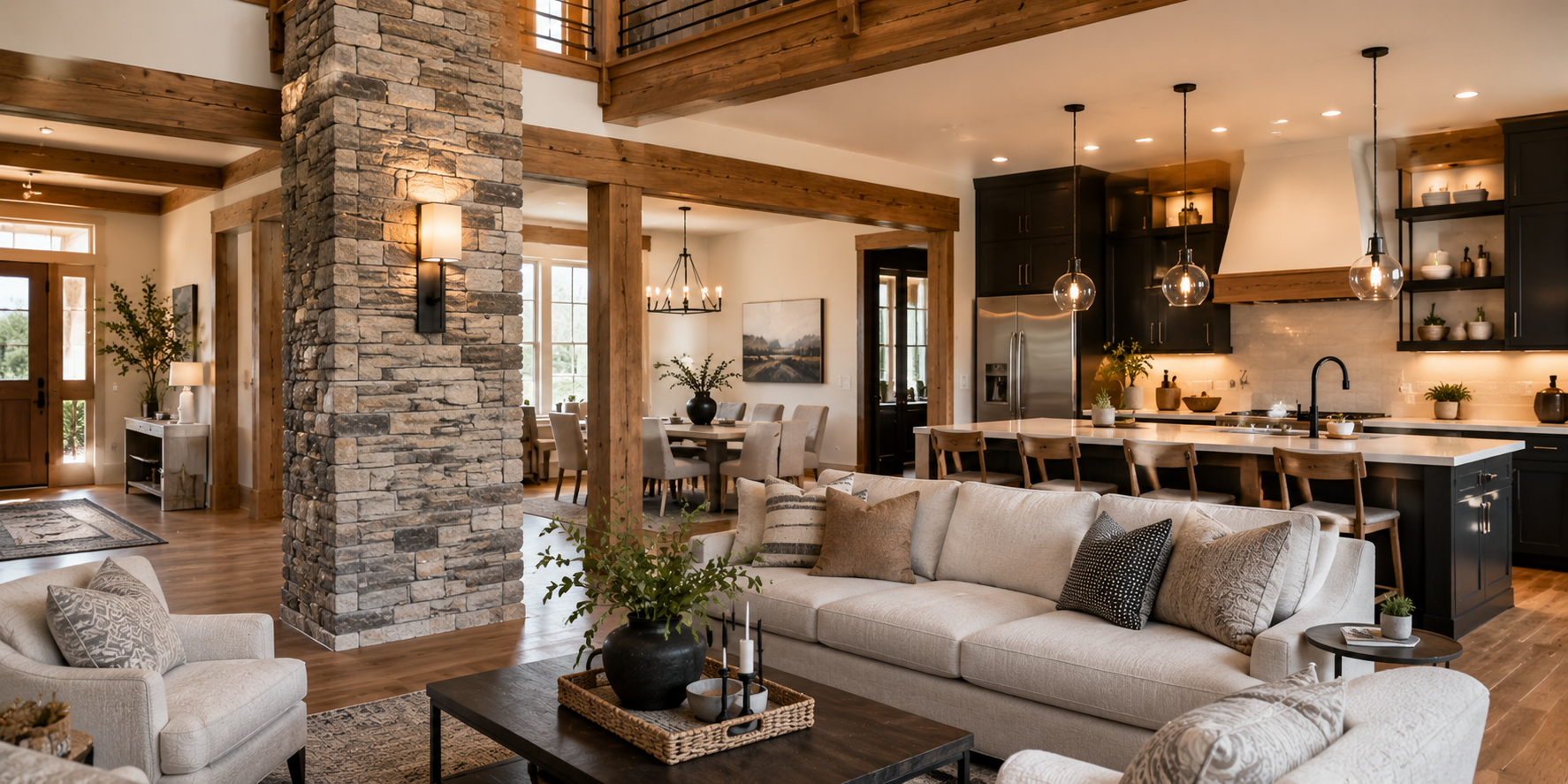
For those drawn to earthy luxury, stone veneer turns an ordinary column into a textural masterpiece. The rich variations in tone and pattern lend architectural weight and authenticity.
Stacked stone columns make a dramatic statement in living rooms or entryways, while smoother limestone or slate finishes complement transitional interiors. Stone pairs especially well with wood beams or fireplaces, creating a cohesive organic feel. Even a single stone-covered column can anchor an open-concept space, grounding the design with natural sophistication.
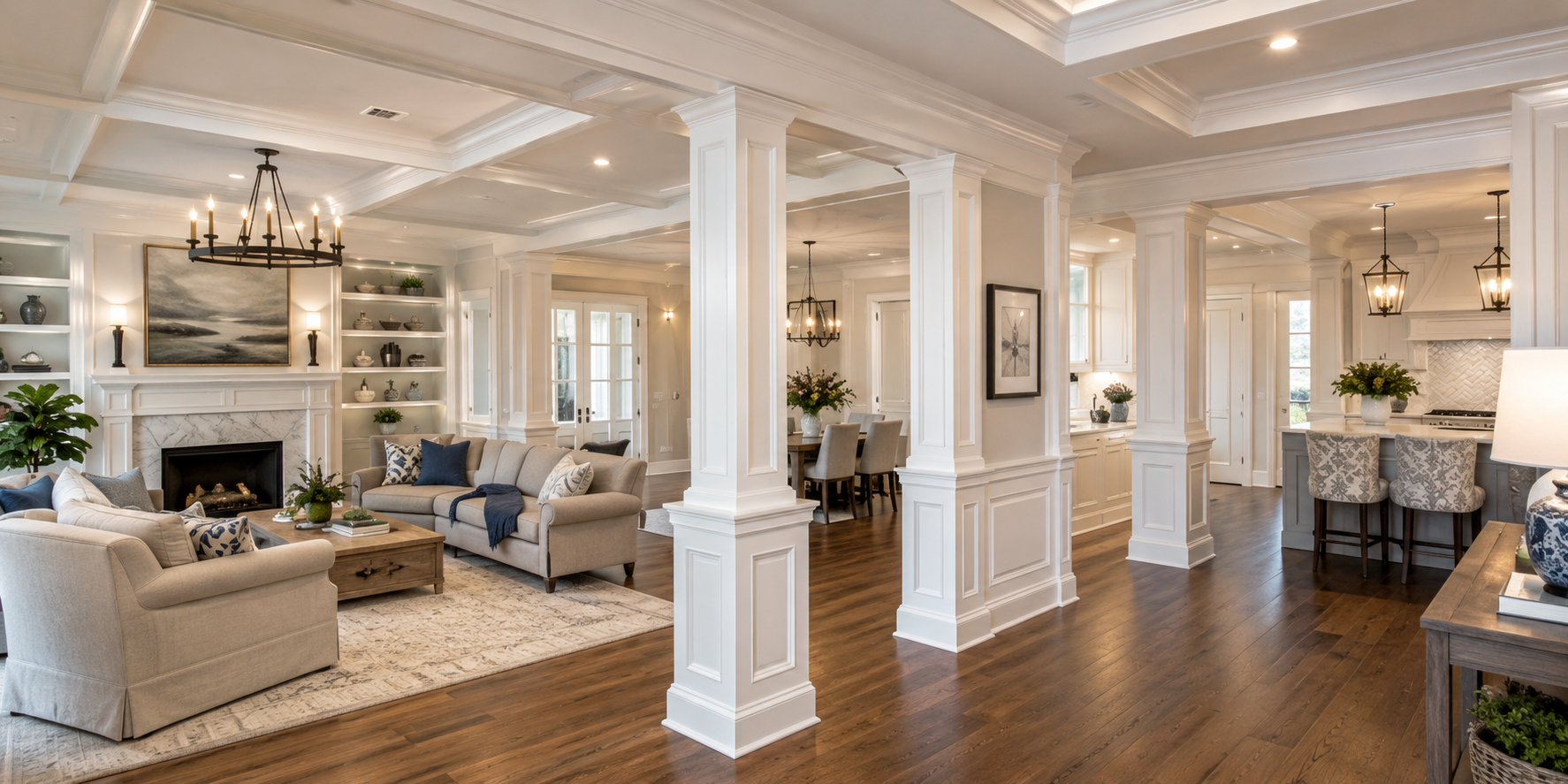
If your home leans traditional, wainscoting or trim molding around columns creates timeless architectural refinement. Paneled details give columns visual weight and craftsmanship, blending them with baseboards, crown moldings, or chair rails for cohesion. Paint the trim in a crisp white or soft neutral tone to match surrounding millwork. For a subtle contrast, choose a slightly deeper hue — perhaps a greige or pale blue-gray — that highlights the craftsmanship. This technique works beautifully in foyers, dining areas, or hallways where architectural continuity matters.
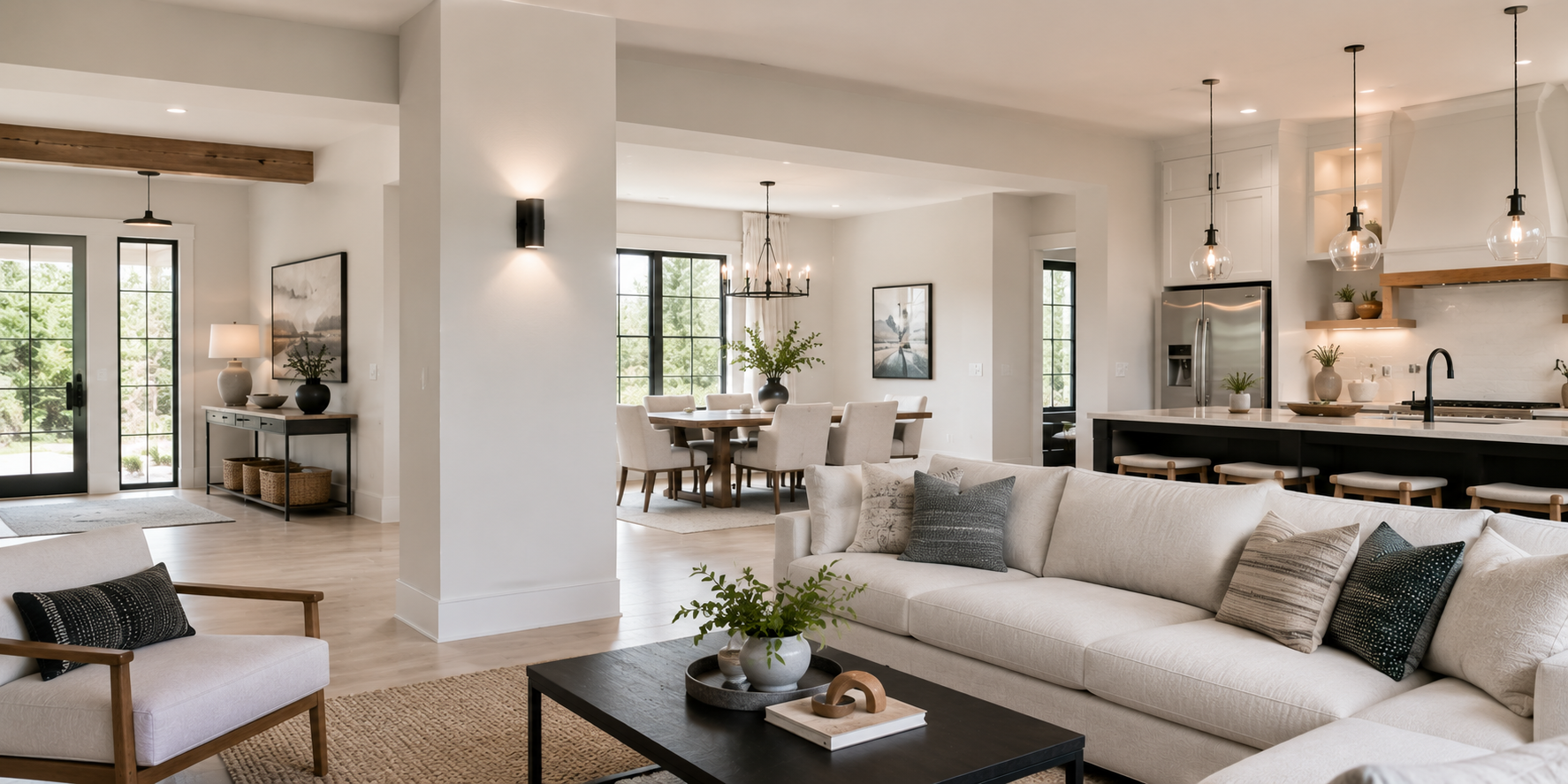
Sometimes, all a column needs is a coat of paint to disappear gracefully. Painting your column the same color as the surrounding walls or ceiling helps it blend seamlessly into the architecture.
For minimalist or contemporary homes, choose a matte finish for an understated look. In contrast, painting the column in a slightly darker or lighter tone can add gentle dimension while maintaining unity. This approach is simple yet effective — proving that sometimes, less truly is more.
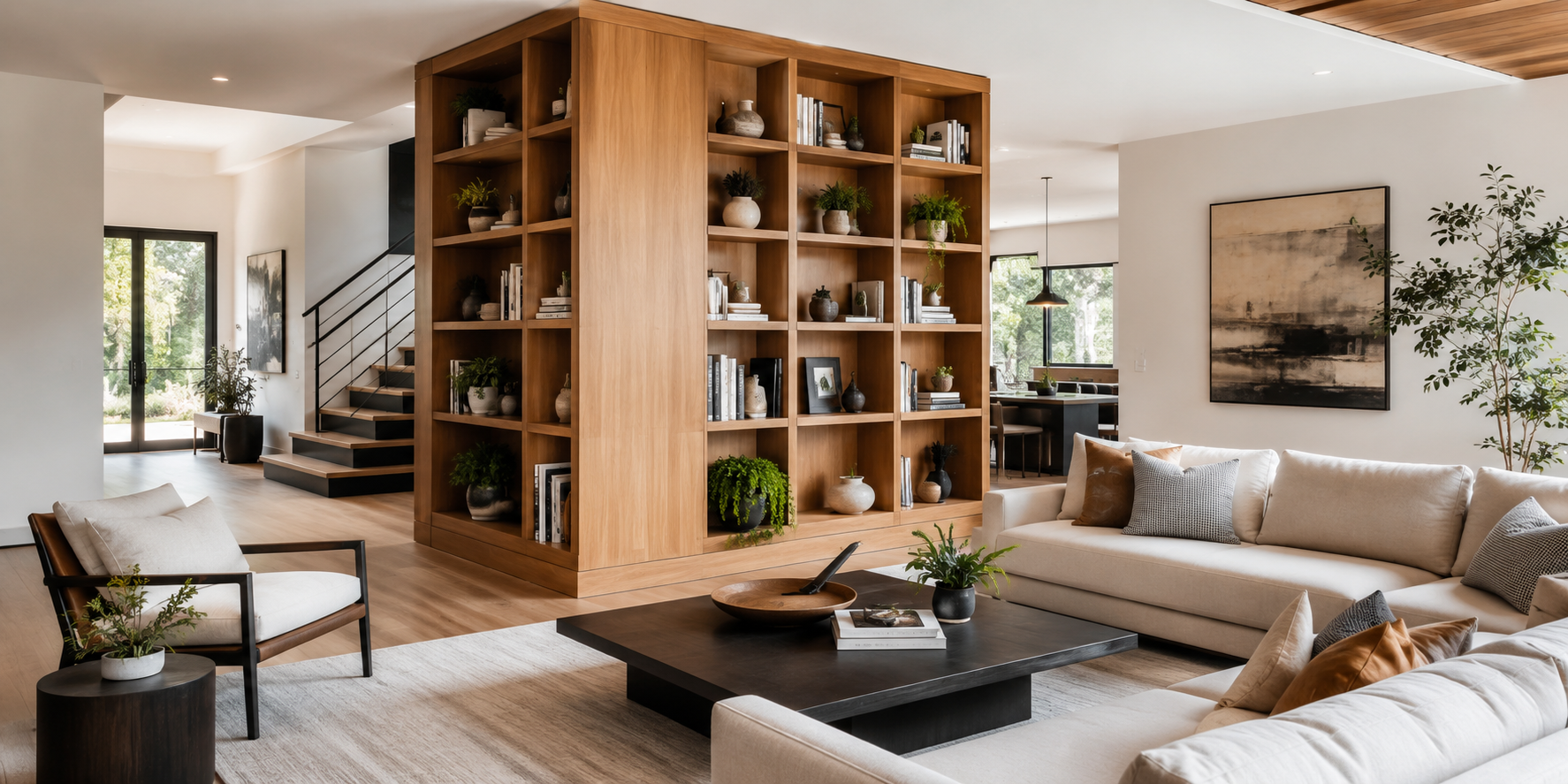
Transform a structural necessity into a feature of convenience by framing it with built-in shelving. This idea works perfectly in living rooms, offices, or kitchens where extra storage is always welcome. You can integrate floating wooden shelves around the column, turning it into a small library or display unit. Add LED strip lighting along the shelves to highlight art, plants, or ceramics. It’s both a functional and aesthetic solution — one that turns an obstacle into an organizing opportunity.
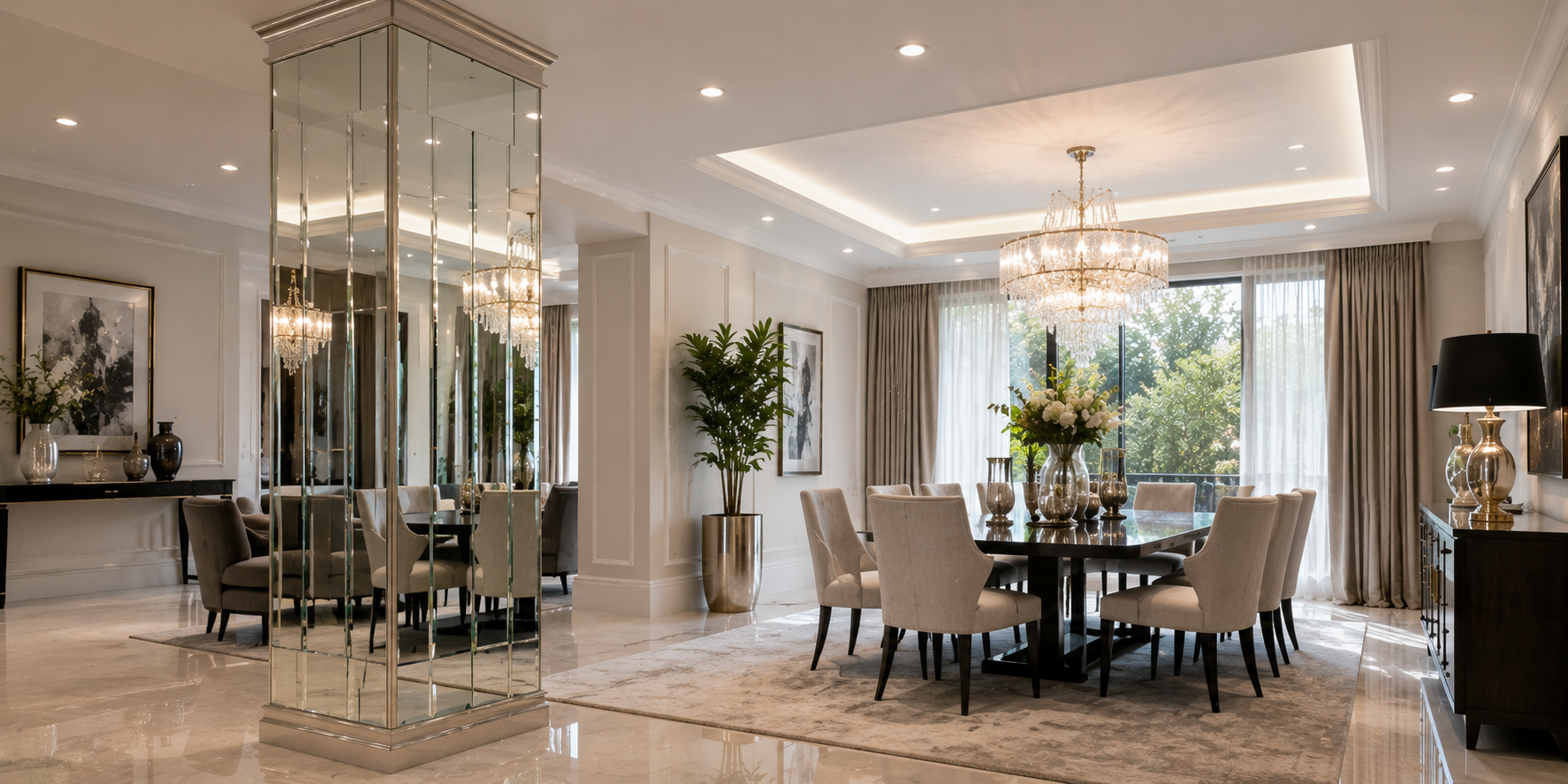
If your space feels small or dark, mirroring your column can make it appear to vanish entirely. Mirrors reflect light and extend sightlines, creating a sense of spaciousness and depth. For a seamless finish, use beveled-edge panels or mirror tiles that fit flush against the column’s surface. The reflection also amplifies nearby architectural elements — chandeliers, windows, or art — adding brightness and luxury. This trick works wonders in contemporary interiors or dining areas where elegance meets optical illusion.
Exposed brick columns bring texture and history into your home. If you’re lucky enough to have original brick supports, highlight them; if not, add brick veneer for the same effect.
Brick instantly introduces an industrial, loft-inspired aesthetic that pairs perfectly with concrete floors, metal accents, and open layouts. Keep the bricks exposed for raw appeal or whitewash them for a softer, vintage feel. It’s an enduring design statement that balances warmth with authenticity.

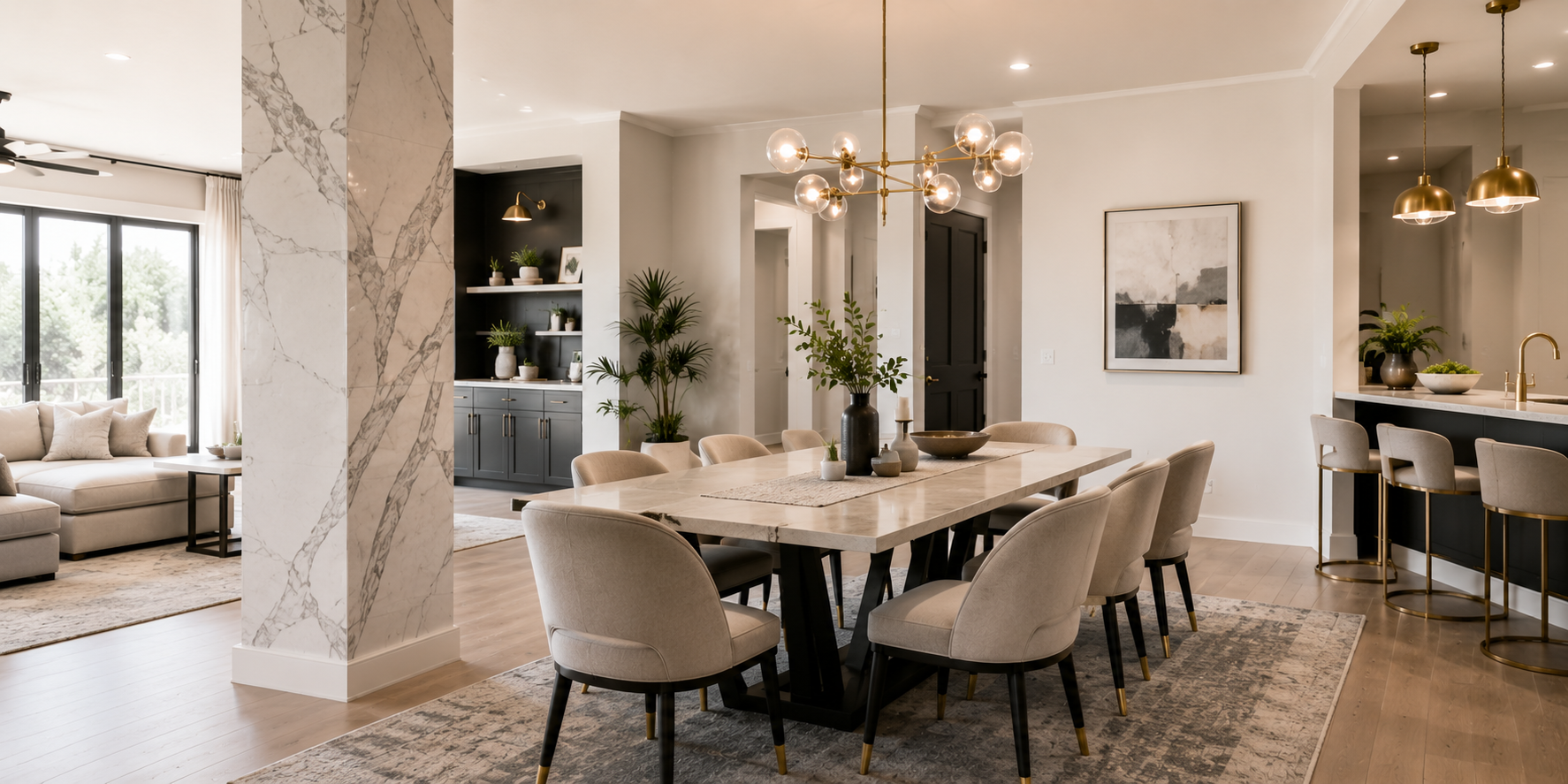
Not every elegant column needs real marble. Faux marble wrapping or adhesive vinyl mimics the opulent veining of natural stone at a fraction of the cost. A glossy marble finish pairs perfectly with minimalist interiors, adding a touch of grandeur without overwhelming the space. Combine with brass lighting or gold hardware for a refined, modern-luxe aesthetic. This technique works beautifully in entryways or dining spaces where visual impact matters.
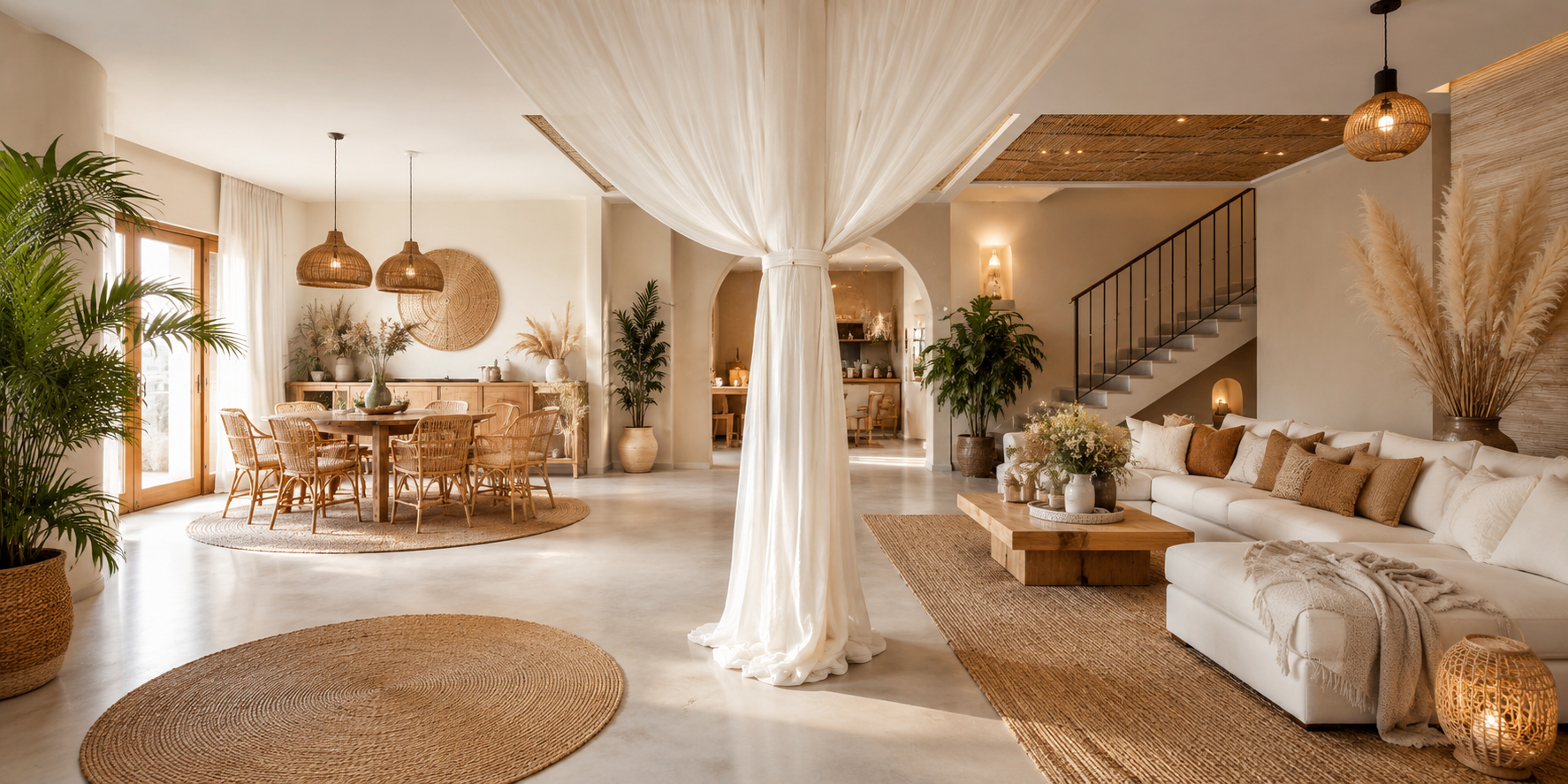
If you prefer something temporary and tactile, consider draping fabric around your column for a soft, romantic look. Lightweight linen, sheer voile, or velvet panels add texture and visual movement. This approach works especially well for event decor or cozy, bohemian interiors. Keep the fabric neutral for subtlety, or introduce color to make it a statement piece. While it’s not a permanent solution, it’s one of the most creative ways to turn a structural element into a visual focal point.
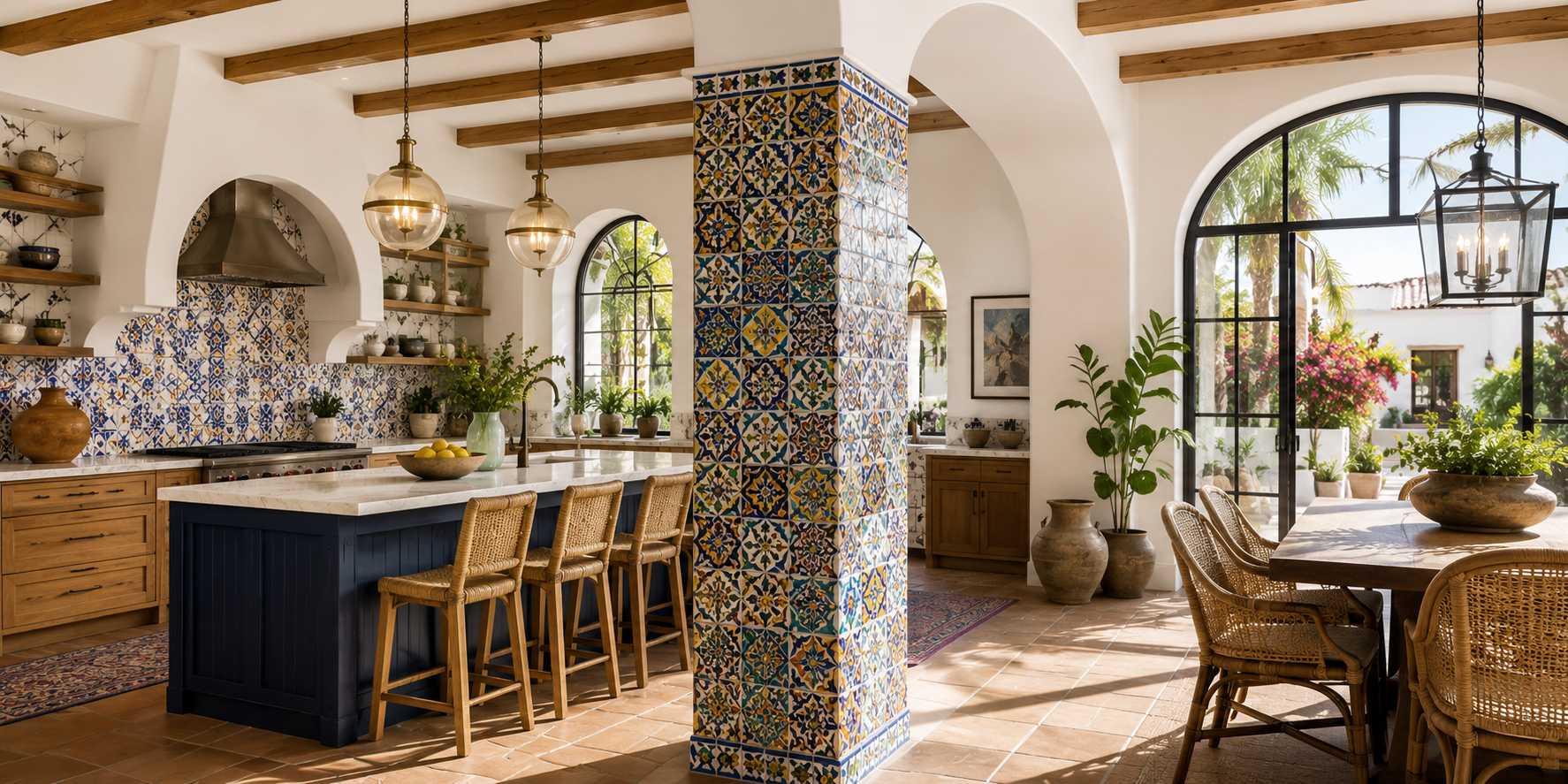
Why not treat your column like a vertical canvas? Tile or mosaic coverings can transform it into an art piece. From Moroccan-inspired patterns to minimalist matte tiles, this approach adds tactile and visual interest. Small-format tiles or geometric mosaics are particularly effective for creating movement and rhythm in the space. This is a perfect choice for bathrooms, kitchens, or outdoor patios where water resistance and durability matter as much as design.
For a fast and visually striking transformation, cover your column with wallpaper or textured adhesive panels. Grasscloth, metallic, or linen-effect wallpapers add texture and dimension without heavy construction. You can match the pattern to surrounding walls for cohesion or choose a bold design for contrast. It’s an easy and affordable way to disguise plain drywall columns while introducing personality into your decor.
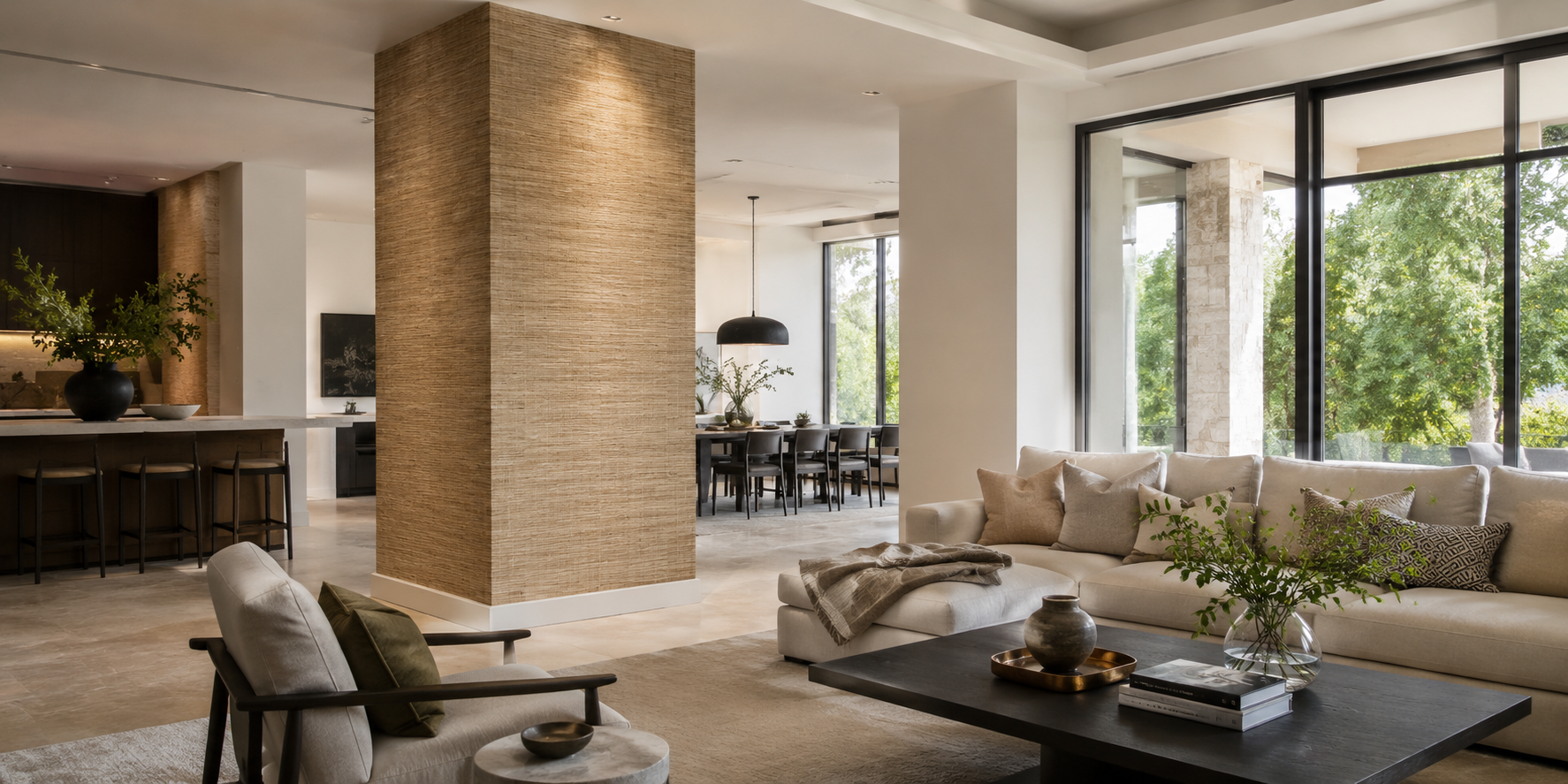
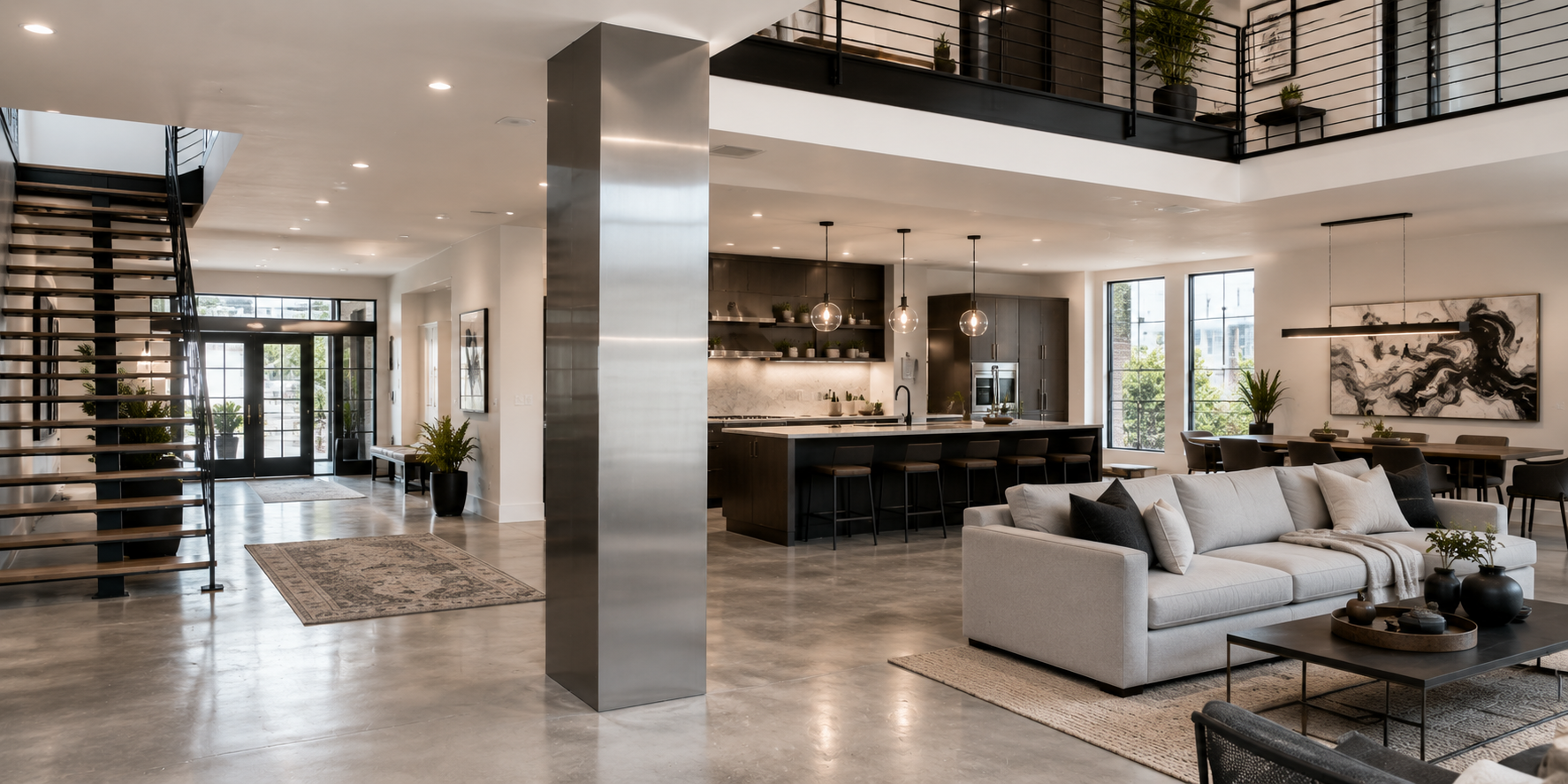
If your style leans modern or industrial, metal cladding provides a sleek, high-impact look. Materials like brushed aluminum, bronze, or stainless steel bring reflective depth and durability.
Metal-wrapped columns feel architectural and modern, often used in commercial or minimalist spaces, but they can add striking sophistication to residential interiors as well. The subtle shine complements concrete, glass, and darker materials beautifully — perfect for anyone seeking urban elegance.
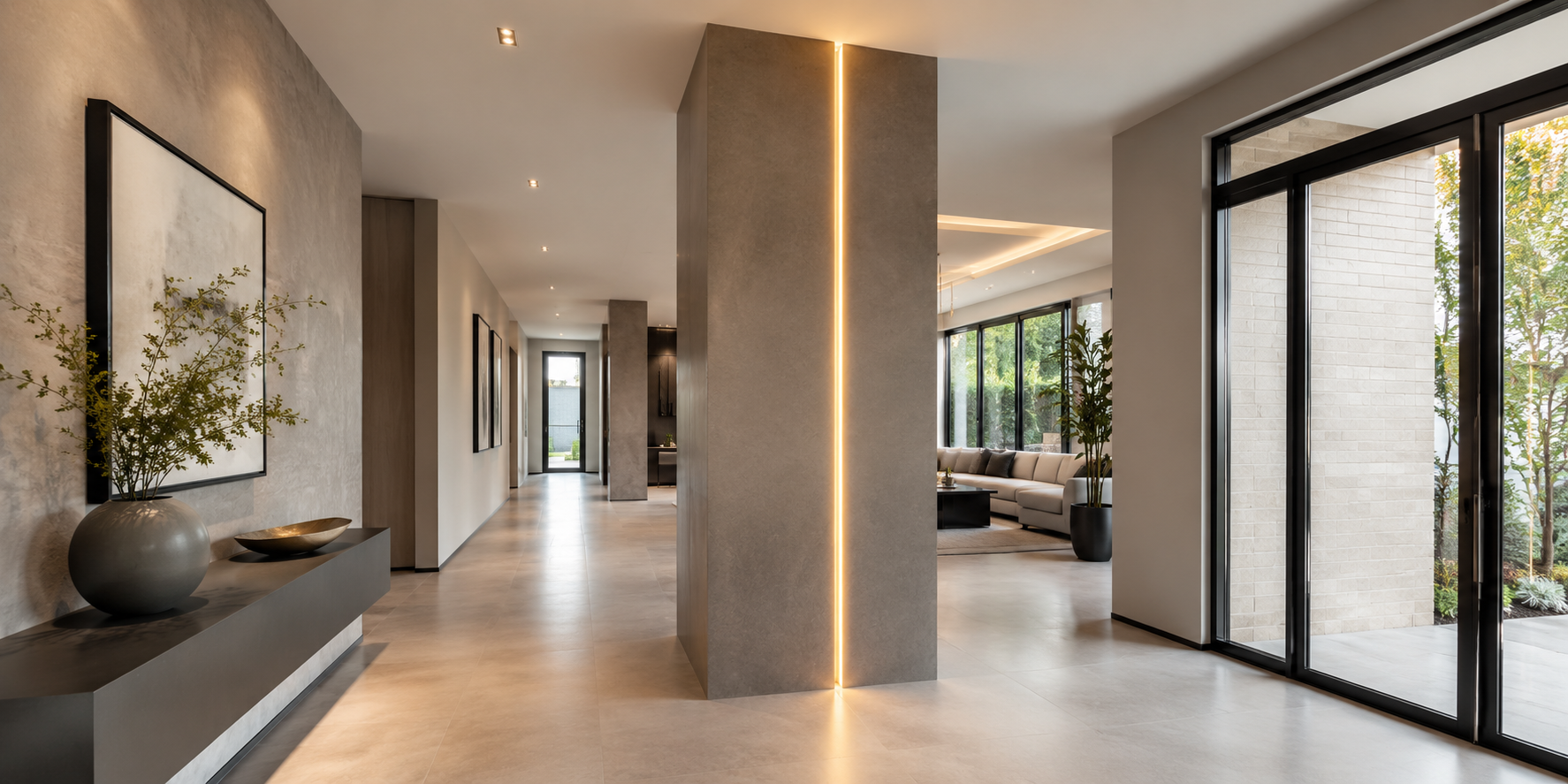
For a futuristic twist, integrate LED lighting into your column design. Recessed light strips running vertically create soft illumination that doubles as ambient decor. When placed strategically, these glowing columns act as sculptural nightlights or subtle dividers in open spaces. You can use warm white tones for cozy environments or cooler hues for modern precision. It’s a bold way to make architecture feel alive and dynamic.
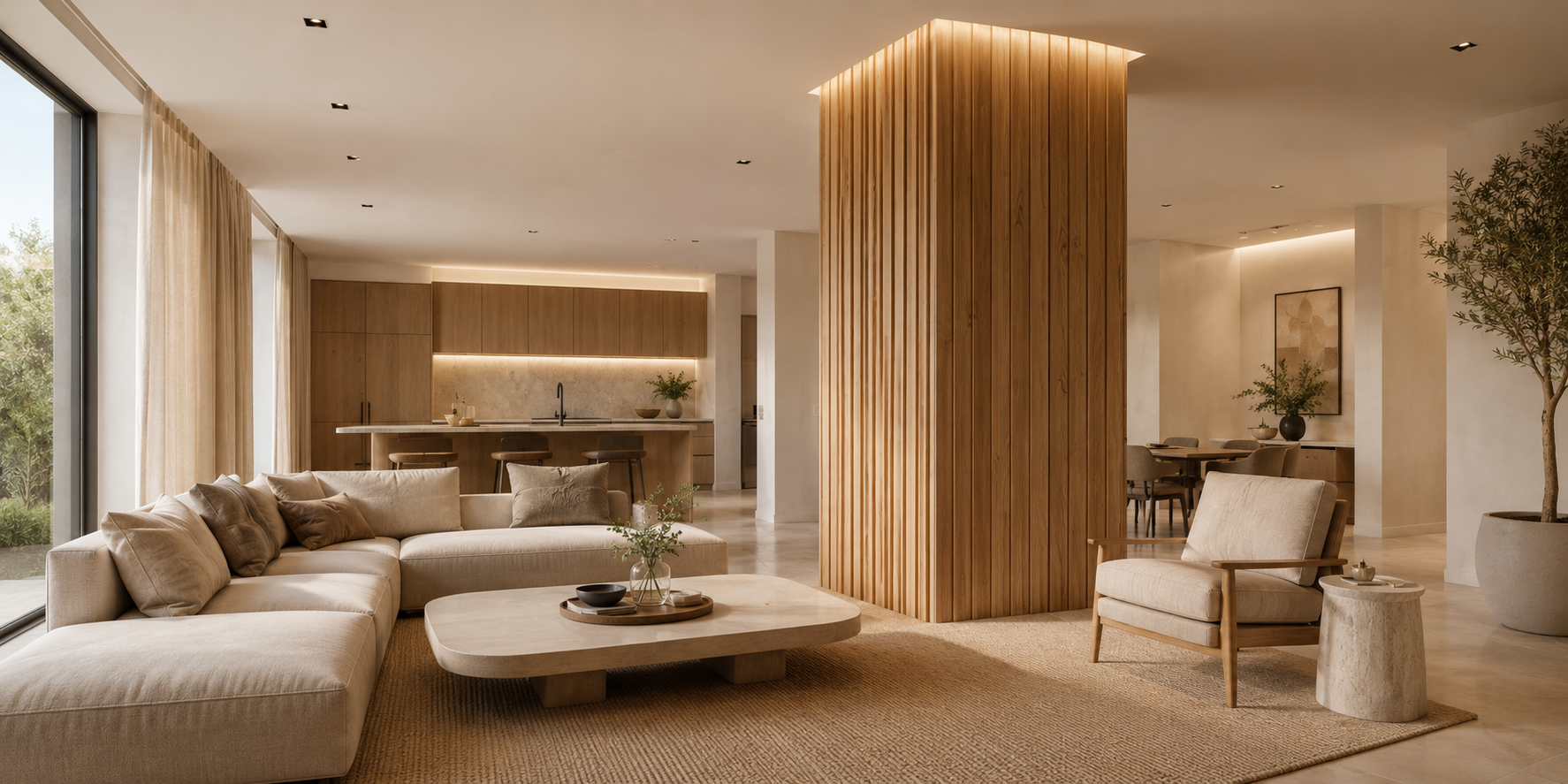
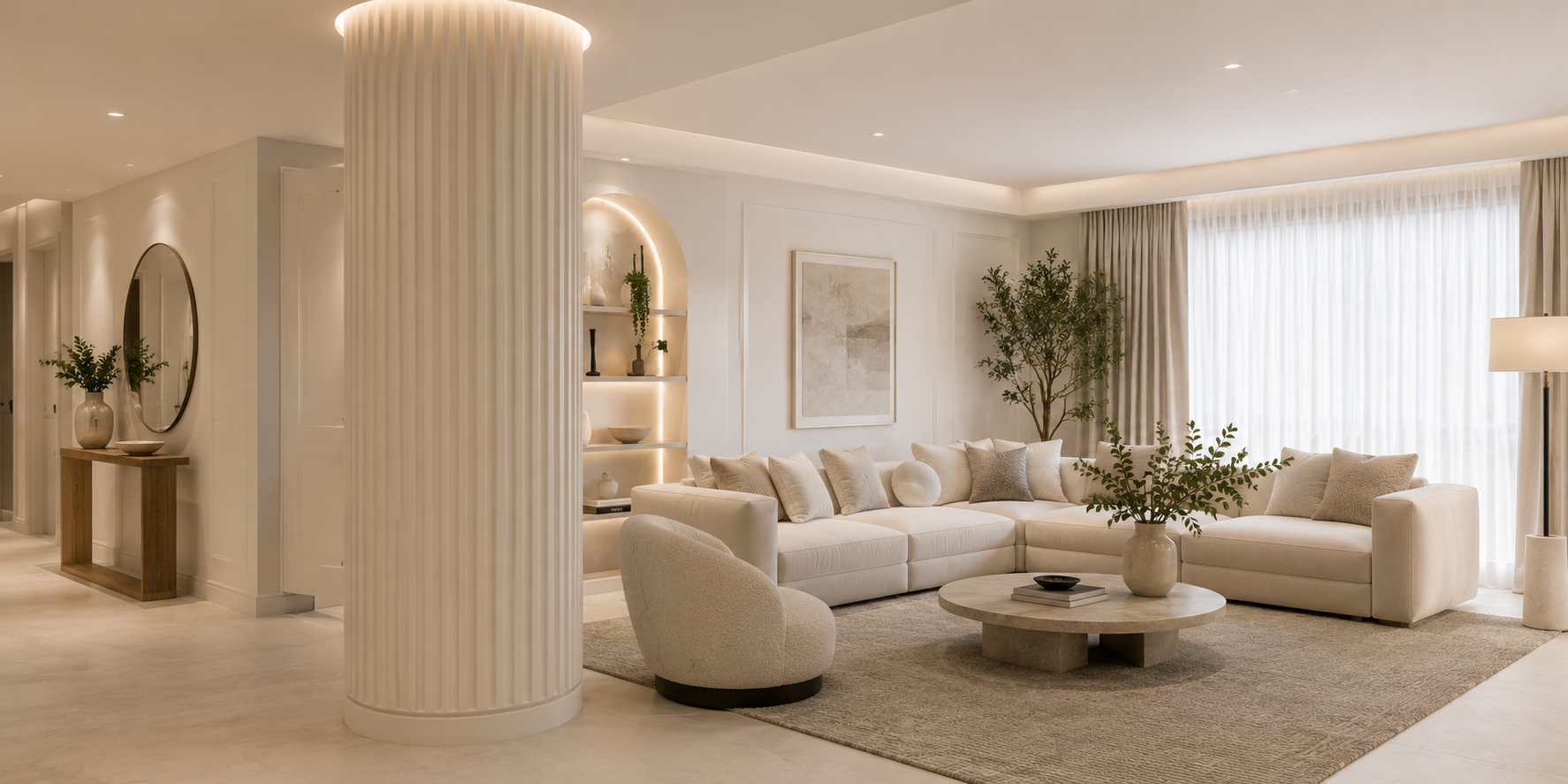
Fluted designs are trending in high-end interiors for their refined repetition and play of light. Fluted column wraps — made from MDF, wood, or gypsum panels — add subtle rhythm and texture to otherwise plain surfaces. Painted in soft neutrals or bold monochromes, fluted columns bring sculptural detail that feels modern yet timeless. The vertical lines also make ceilings appear higher, enhancing the sense of space. This is one of the most design-forward ways to upgrade a simple structural element.
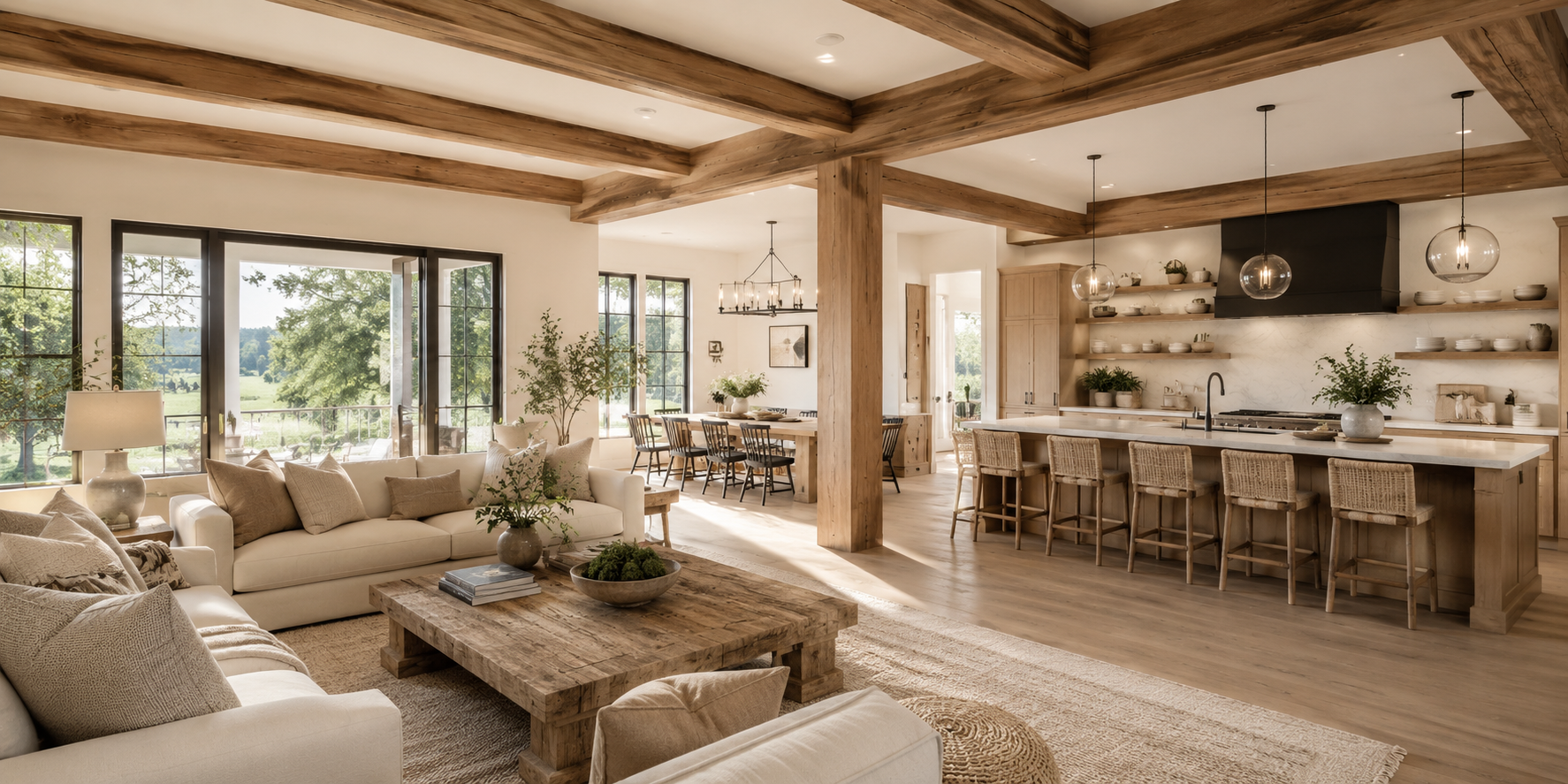
Blend your column into an architectural feature by connecting it with ceiling beams. Enclosing the column in the same wood or paint finish as your ceiling treatment makes it feel intentional rather than intrusive. This approach works wonderfully in open-plan kitchens or great rooms where beams already define the layout. The column becomes part of the visual framework — a seamless link between floor and ceiling.
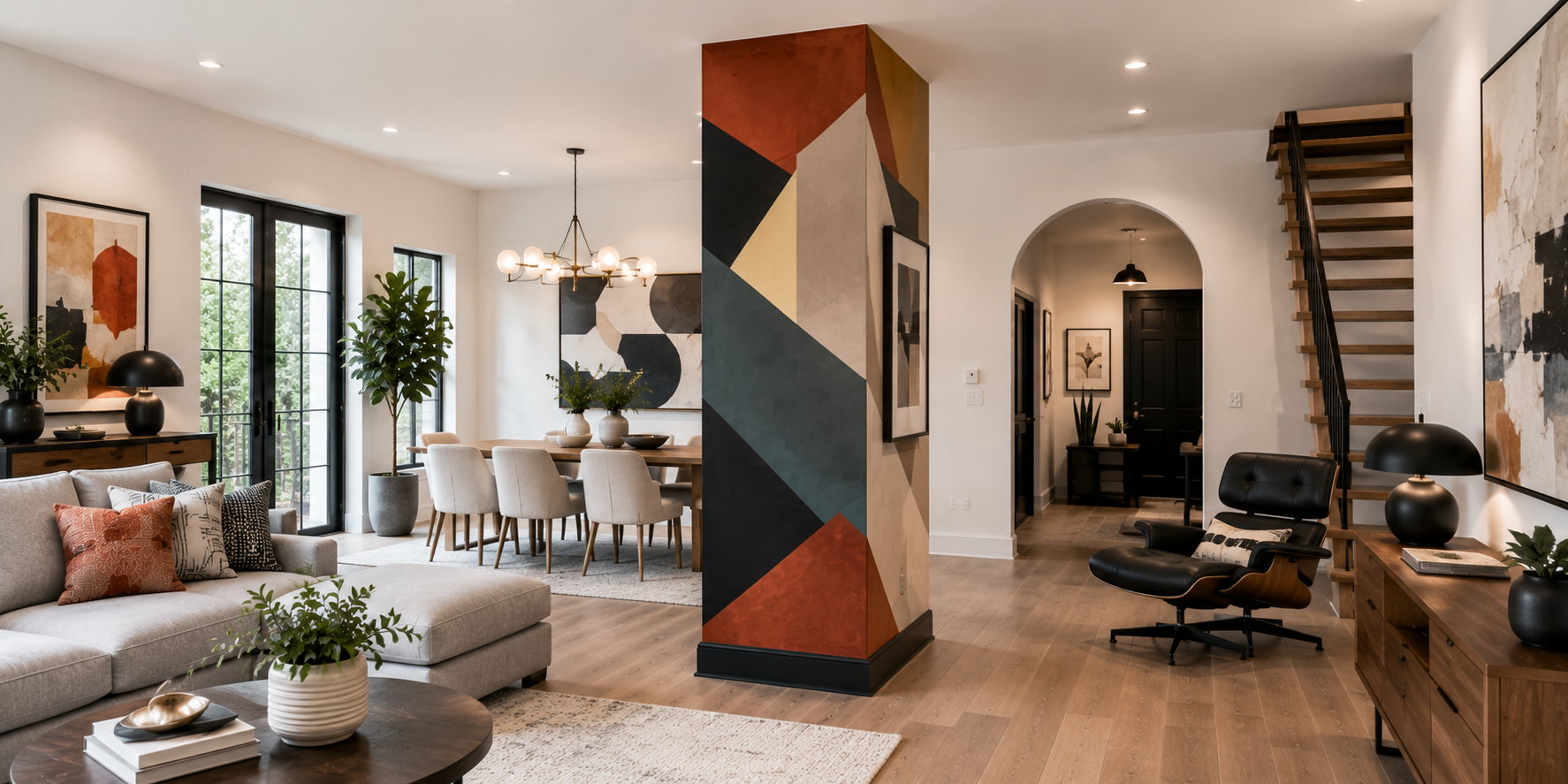
If you love bold design, turn your column into a canvas. Use paint, murals, or sculptural art panels to make it the focal point of the room. Abstract color blocking, botanical designs, or geometric patterns can add creativity and personality. For a subtle artistic touch, you can apply textured plaster finishes or relief art. This approach celebrates individuality — turning structure into statement.
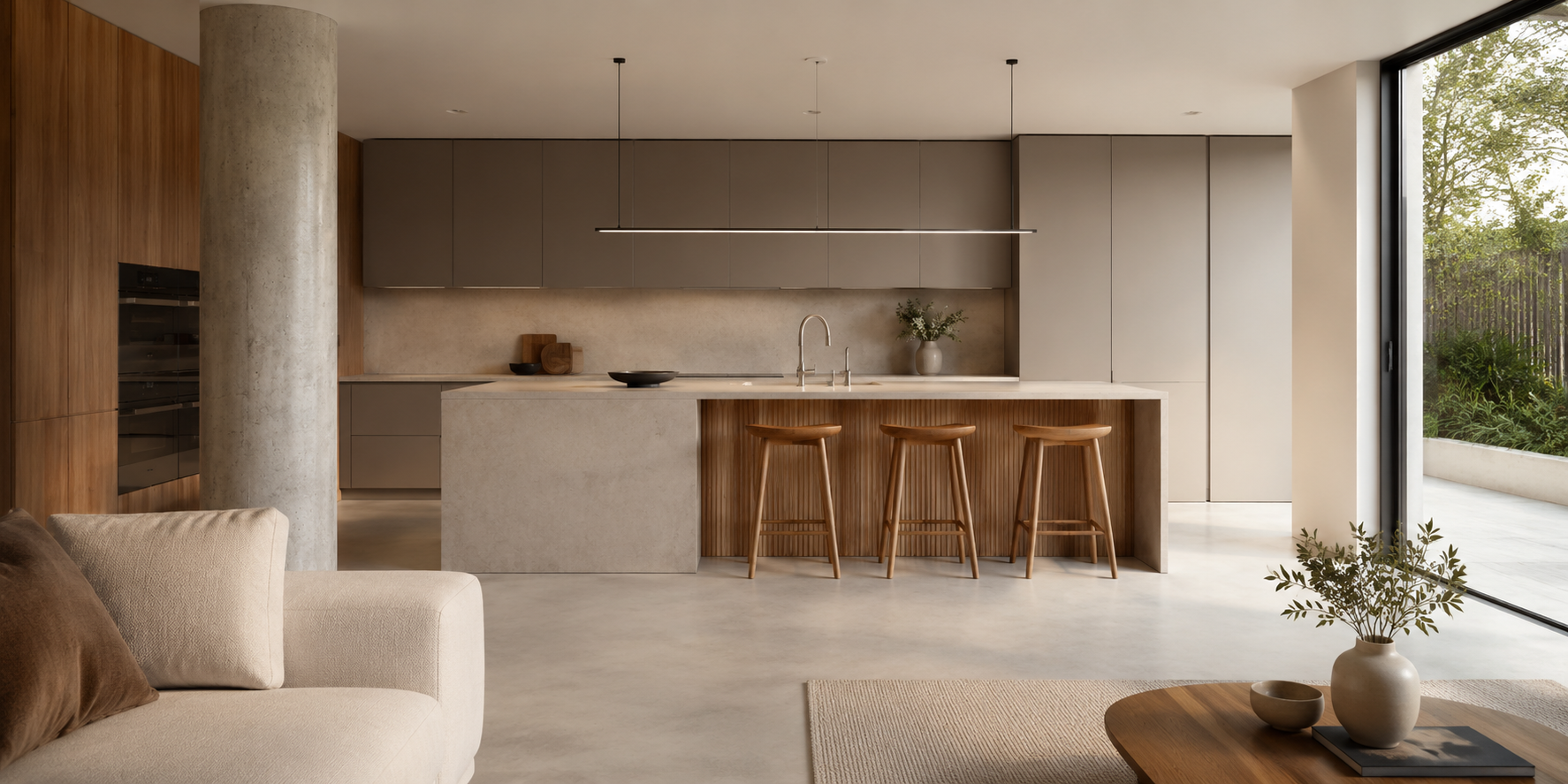
Concrete might sound utilitarian, but as a design element, it’s strikingly elegant. Concrete-wrapped columns — real or faux — introduce texture, depth, and industrial chic.
The matte gray surface contrasts beautifully with warm wood or metal fixtures, creating balance and visual interest. Use microcement or concrete-look panels for lighter applications that maintain the aesthetic without heavy construction. This style suits modern lofts or minimalist interiors perfectly.
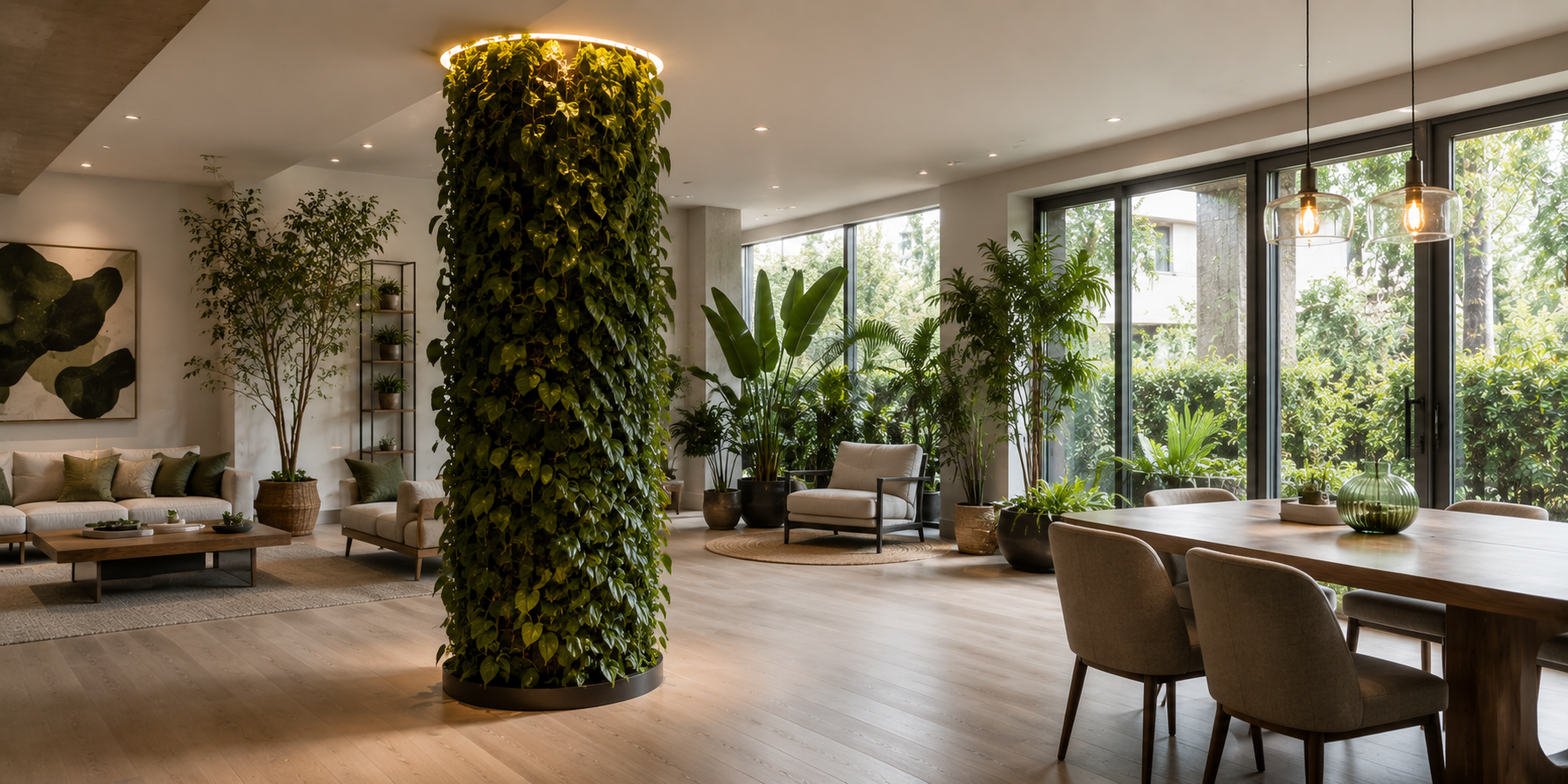
Why not turn your column into a living feature? Wrapping it in greenery or artificial vines transforms a structural necessity into a natural accent. For modern eco-homes, use modular planters or wall-mounted systems that allow climbing plants to grow vertically. In indoor spaces, faux foliage offers low-maintenance charm. This idea blurs the line between architecture and biophilic design — refreshing, sustainable, and endlessly calming.
For a truly designer look, blend multiple materials on one column. Pair wood with stone, marble with metal, or paint with fluting. Mixing materials adds layers of sophistication and creates a custom-built appearance. For example, a wooden base with a metal top wrap can define zones within open spaces — uniting function and style. This hybrid approach allows full creative control and makes the column feel bespoke rather than structural.
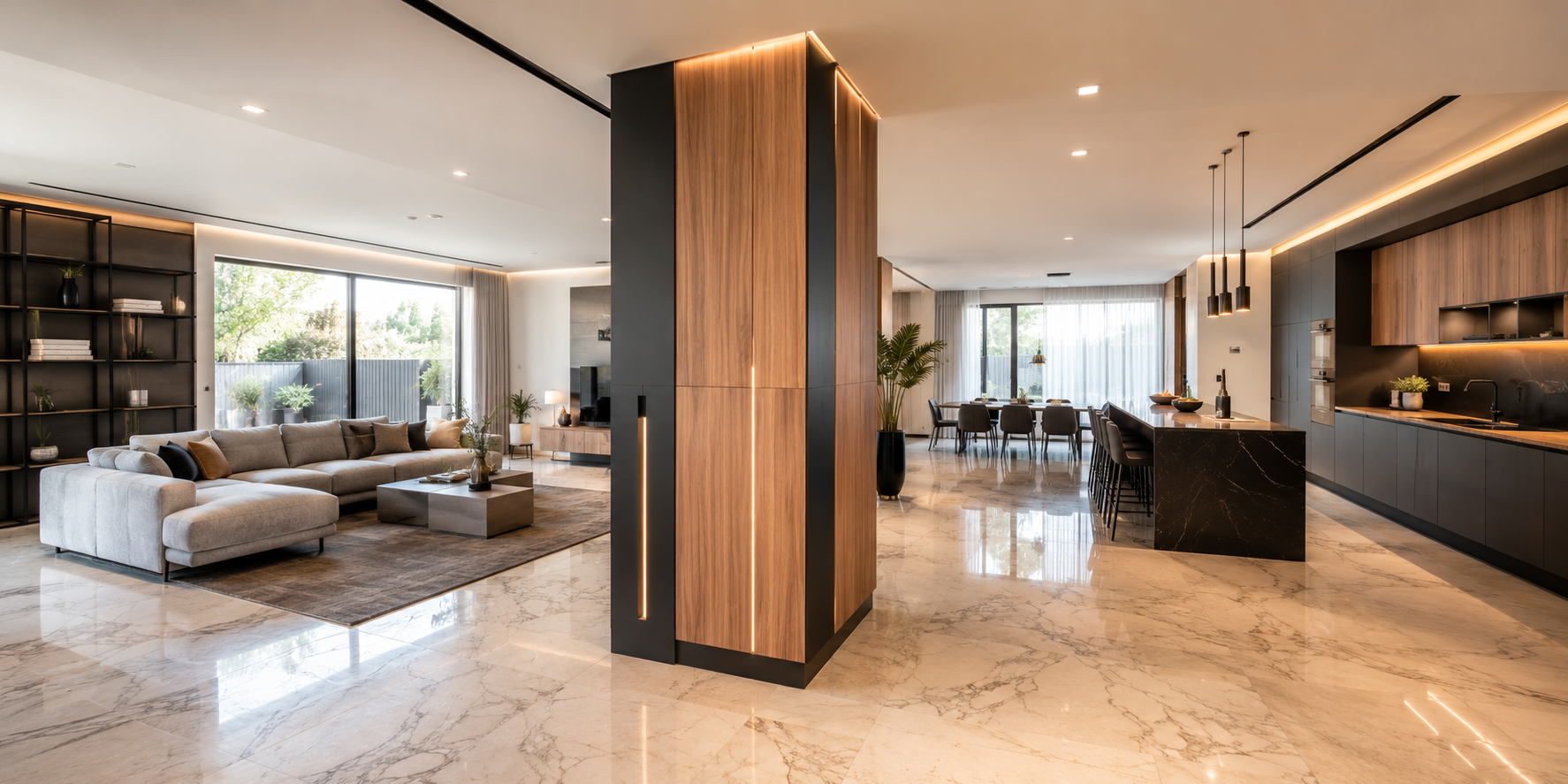
From Obstacle to Opportunity, A column doesn’t have to be an awkward interruption in your design — it can become one of the most expressive architectural features in your home.
Whether you embrace its presence with texture and pattern or disguise it through integration and color, the key is intention. Each idea — from wood wraps to fluted detailing — turns necessity into creativity, structure into style.
So next time you glance at that pillar in your living room, don’t see limitation. See potential — a blank canvas ready to define your home’s story with beauty, balance, and design purpose.
G2G Team
06-15-2026
Let’s Build
Contact us todayGet daily tips and tricks for making your best home.
2025 Green to Gorgeous