3 MIN READ
Decor Ideas
Written By
G2G Team
Published
June 10, 2026
Have you ever gazed at a thick support beam cutting through your living room or kitchen ceiling and wondered if it could be more than just a structural necessity? Many homes — especially open-plan spaces, lofts, and older houses — feature visible beams that hold up the architecture but often disrupt the flow of the interior design. What if, instead of hiding them, you could turn them into the most stylish element in the room?
Support beams offer an incredible design opportunity. With the right ideas, these essential structures can become functional art pieces, blending purpose with creativity. From wrapping them in reclaimed wood to transforming them into shelving supports or lighting frameworks, your beams can be part of the story your home tells.
In this article, we’ll explore 17 support beam decorating ideas for functional displays — ranging from rustic farmhouse charm to modern architectural sophistication. Every idea here turns a once-overlooked structure into a design statement that enhances your space’s visual rhythm, comfort, and individuality.
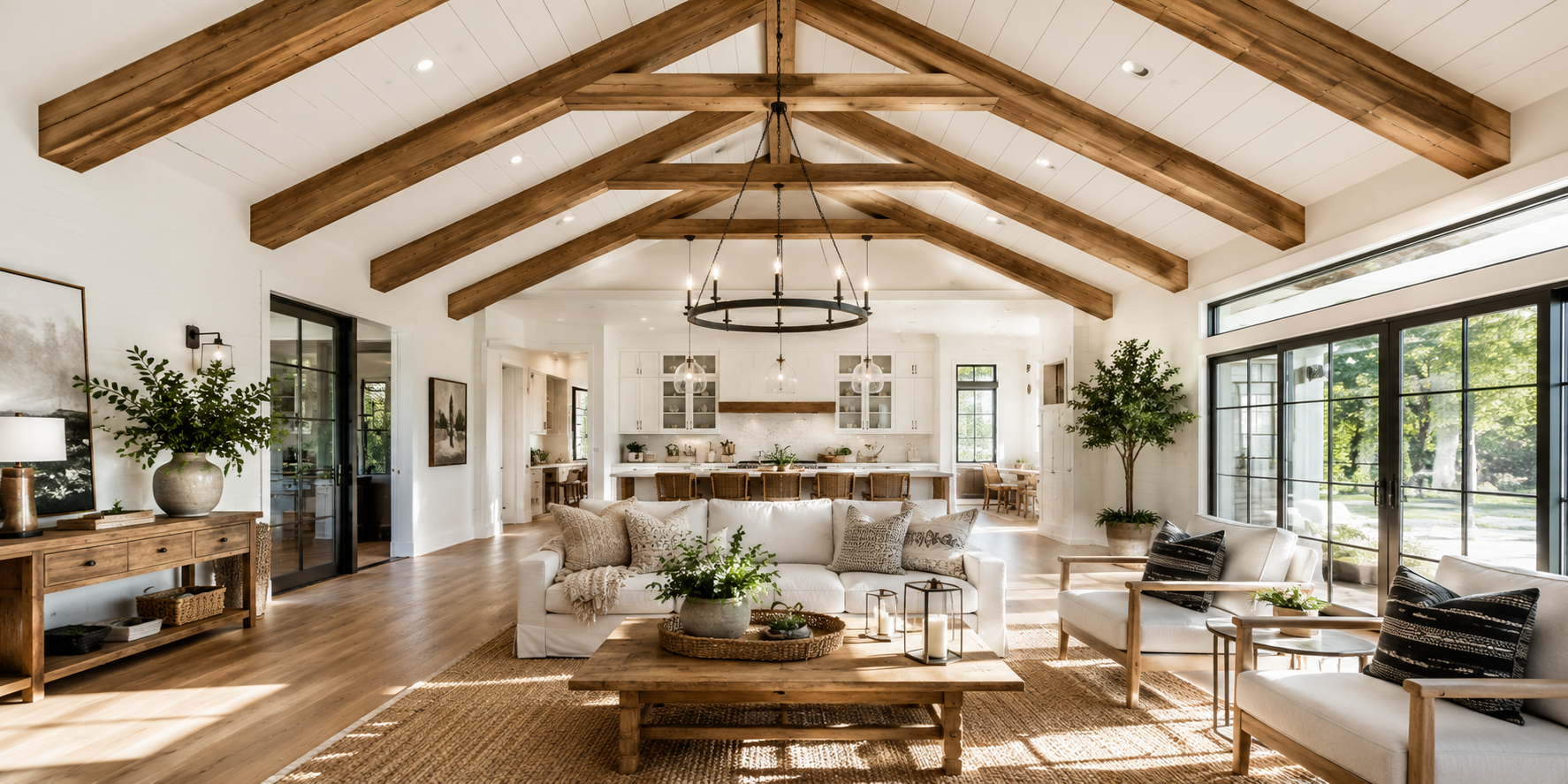
If you’re looking to bring warmth and authenticity into a room, wrapping support beams in natural wood is one of the most timeless approaches. This method instantly softens the space, adding texture and depth while creating architectural harmony.
Choose reclaimed wood if you love rustic charm — knots, imperfections, and visible grain tell a story that newer materials simply can’t replicate. For a cleaner, Scandinavian aesthetic, lighter species like birch or ash work beautifully. You can even experiment with matte stains to match your flooring or cabinetry for a cohesive look.
A wood-wrapped beam also serves as a visual bridge between different zones in an open-concept home. Imagine a living space where wood tones flow seamlessly from floor to ceiling — it grounds the entire design. To complete the effect, pair wood beams with linen textiles, stone accents, and warm ambient lighting.
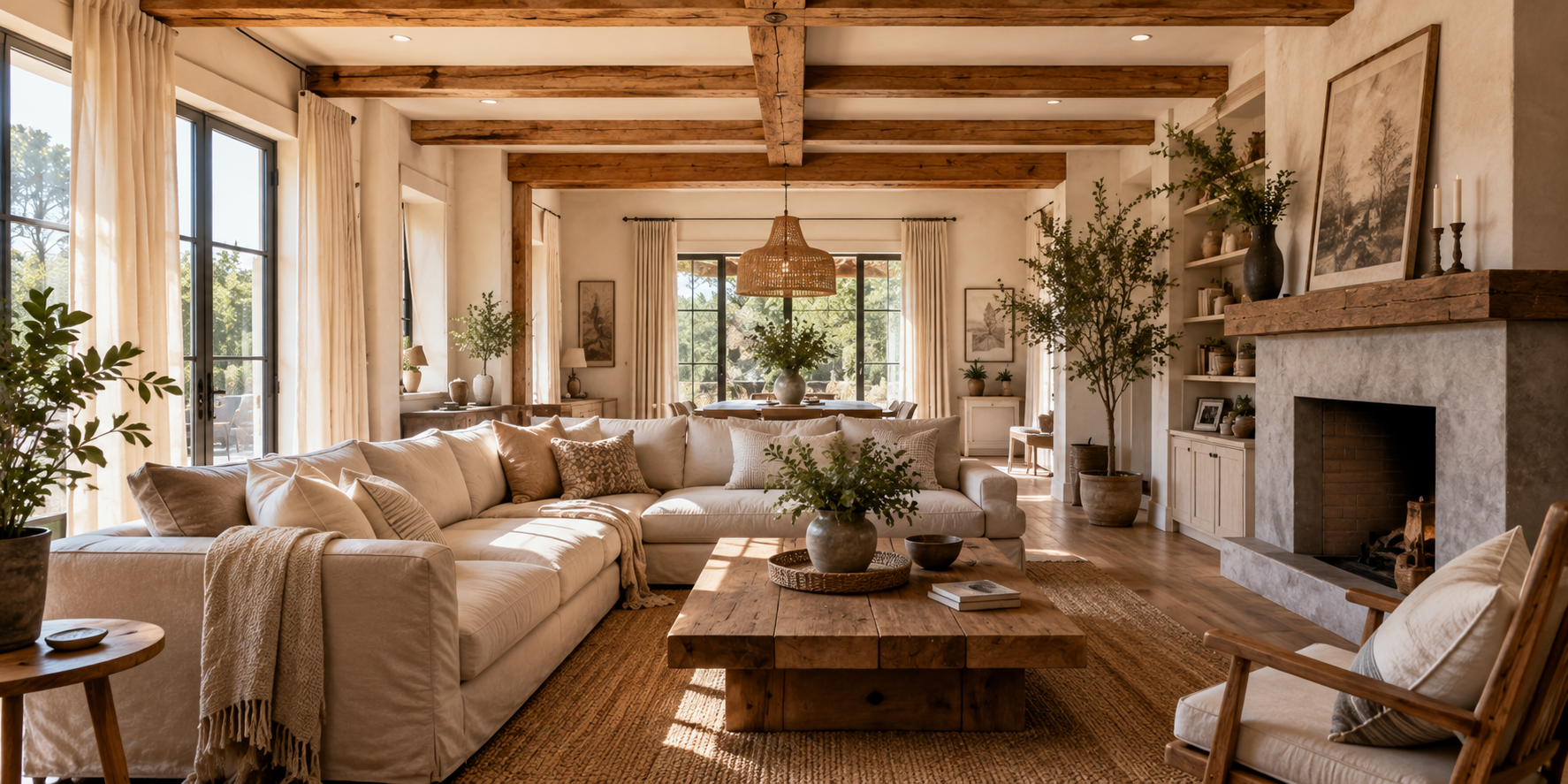
Lighting is one of the most powerful ways to showcase structure, and support beams make the perfect framework for it. Installing recessed or linear lighting along the edges of beams accentuates their shape and turns them into sculptural elements.
In modern settings, LED strips hidden behind the beam’s lip can create a soft halo effect that draws attention to the ceiling height and form. In industrial lofts, track lighting attached directly to beams adds both illumination and character — perfect for spotlighting artwork, furniture, or architectural details below.
The magic lies in layering: pair subtle uplighting along beams with warmer pendant fixtures in the center of the room. The result feels luxurious and balanced, creating an atmosphere that’s functional yet intimate.
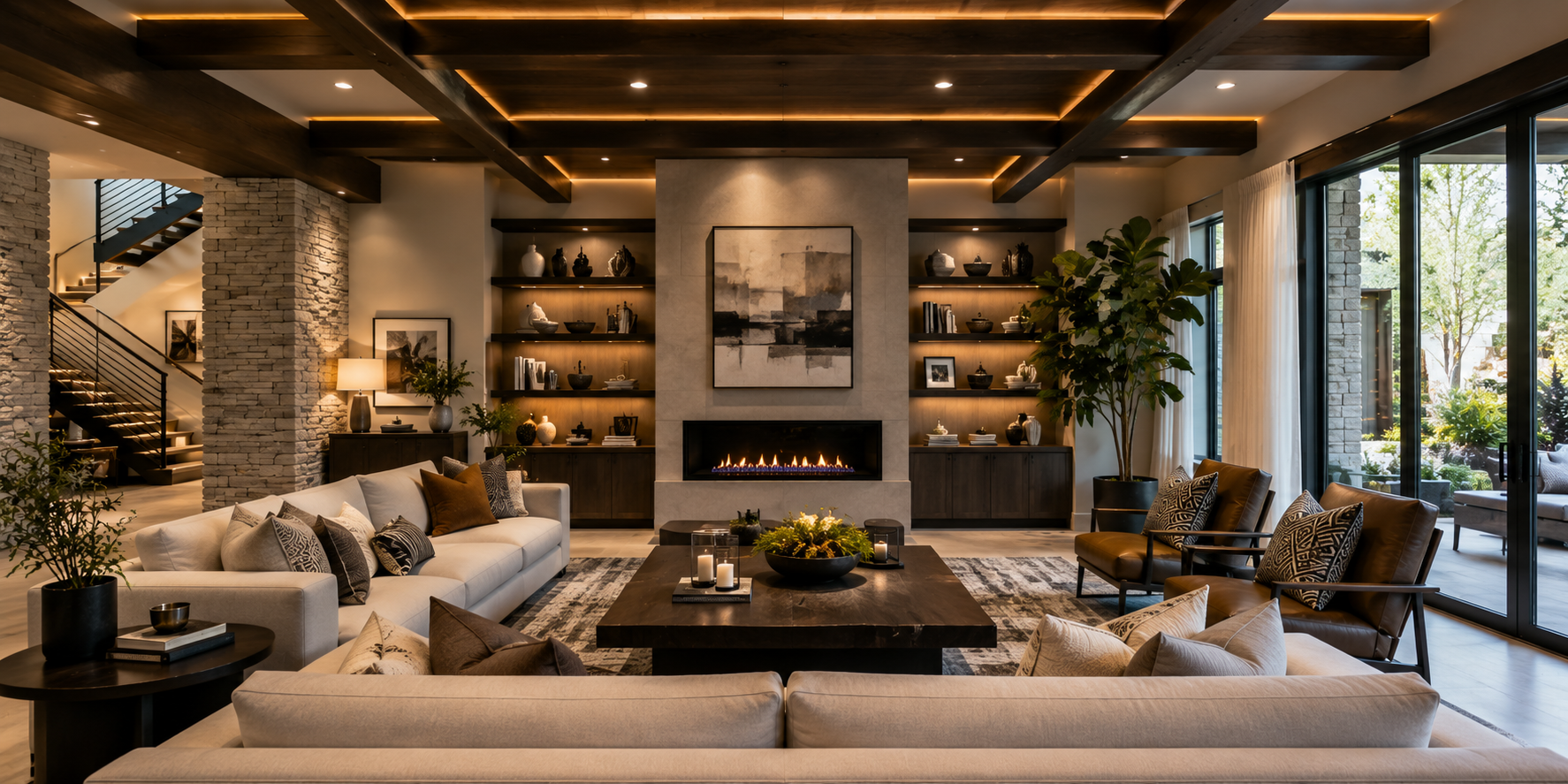
Not all homes are built with exposed beams, but that doesn’t mean you can’t enjoy the look. Faux beams — lightweight structures made from polyurethane or hollow wood shells — can easily mimic the appearance of real timber.
Use them to establish rhythm in a long hallway, balance asymmetry in open layouts, or emphasize a central dining area. They can even conceal wiring for ceiling fans or recessed lighting. Painted or stained to match your decor, they provide the warmth and texture of solid beams without the structural load.
For example, pairing real support beams with faux counterparts on the same ceiling creates a seamless, symmetrical aesthetic. It’s an architect’s trick for bringing cohesion and proportional harmony to open spaces.
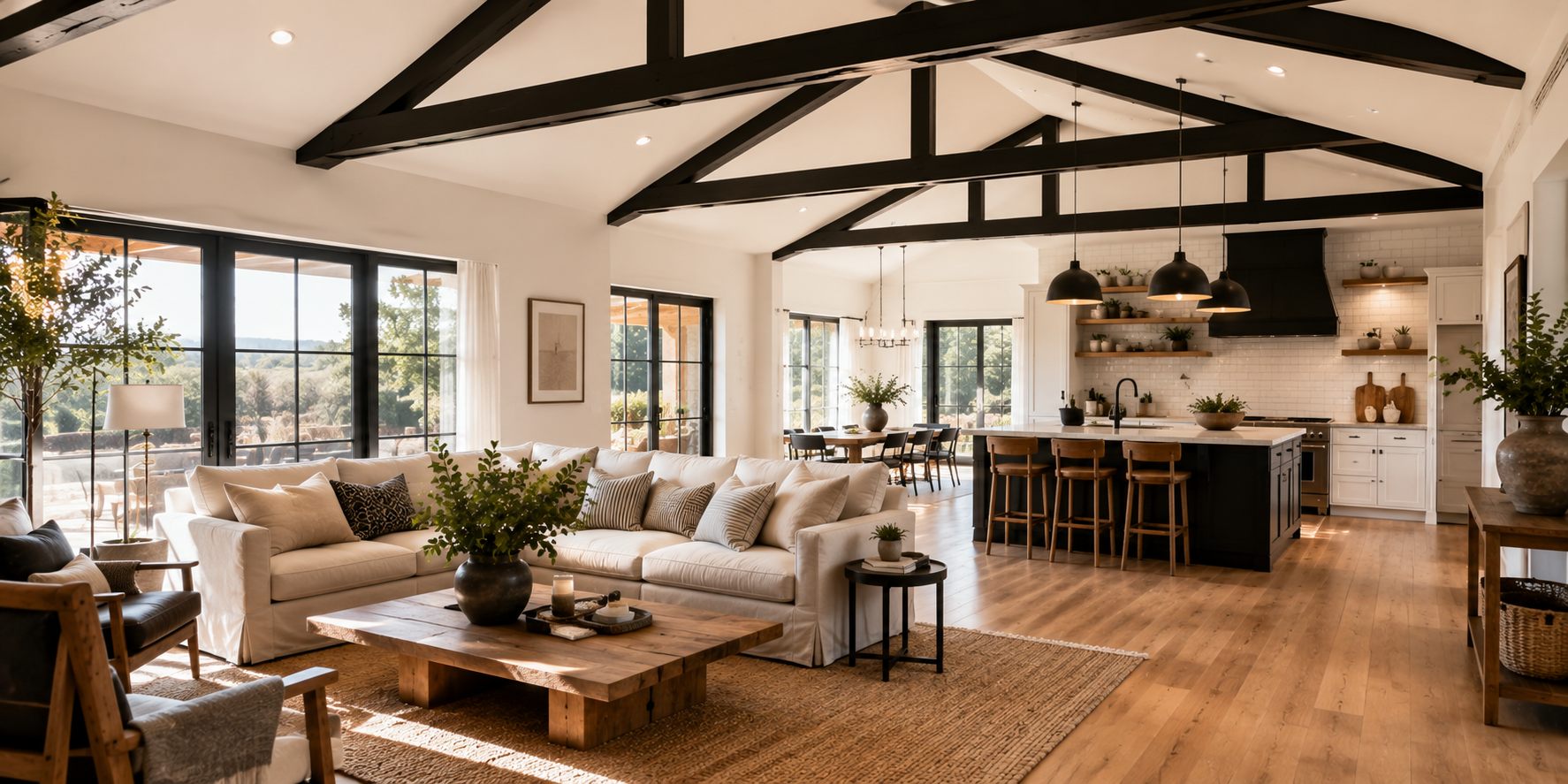
Sometimes color alone can transform a room. Painting your beams in a contrasting color makes them architectural highlights. Think black beams against a white ceiling — bold, modern, and dramatic. For a softer, transitional approach, use a coordinated color palette — perhaps greige beams against cream walls or soft taupe beams paired with off-white ceilings. This method adds depth while maintaining calm cohesion.
When using darker colors, balance them with lighter elements below — a pale rug, linen upholstery, or brass accents — so the ceiling feels elevated, not heavy. Painted beams can redefine your ceiling lines, giving the room personality while still feeling polished.
Beams can do more than hold up your ceiling — they can also hold your decor. Installing custom shelving between beams turns empty vertical space into functional display zones. Floating wood or metal shelves mounted between support structures are ideal for displaying books, art, or pottery. This approach works especially well in kitchens and home offices where storage is valuable. If the beams are overhead, suspend hanging shelves or baskets for an industrial yet elegant look.
The key is proportion: keep shelves aligned with the natural rhythm of the beams to maintain architectural balance. Combined with good lighting, this setup transforms structure into storage — without compromising aesthetics. 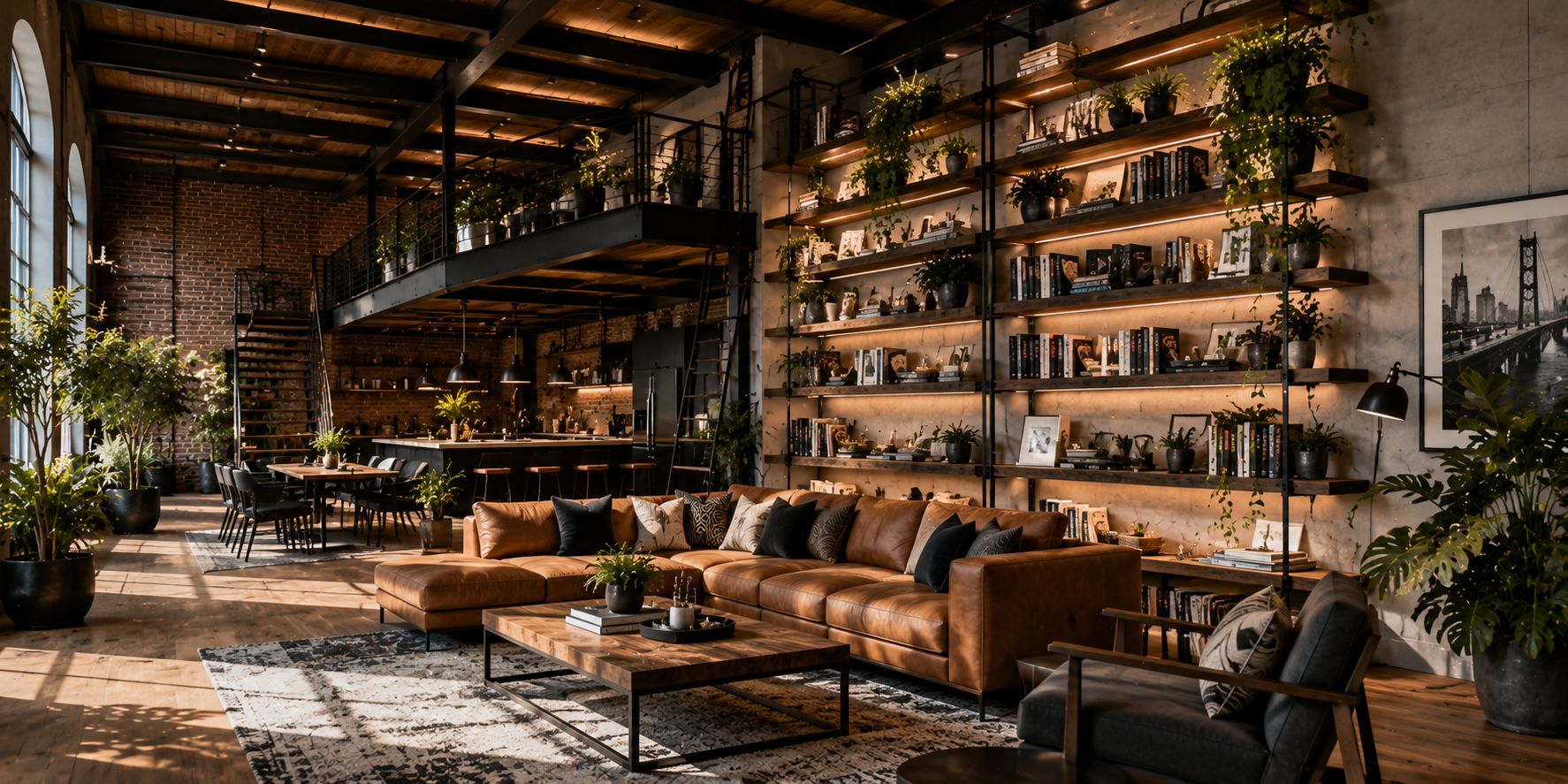
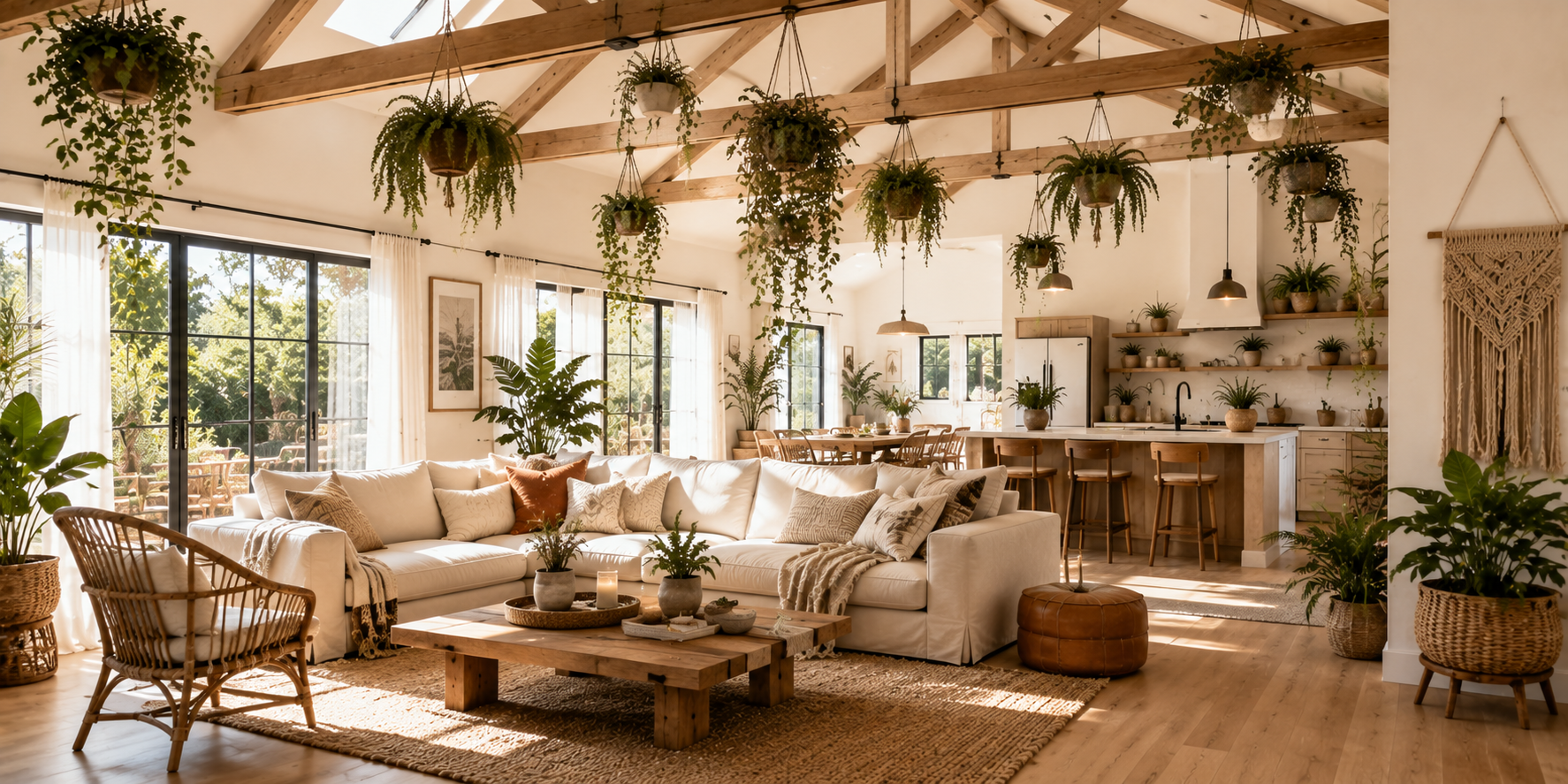
Want to add softness to your architectural lines? Hanging plants from beams is one of the easiest ways to introduce movement, color, and natural beauty. In airy rooms with high ceilings, cascading vines such as pothos or ivy create a dramatic, organic canopy effect. In smaller spaces, ferns or succulents in woven baskets bring gentle texture without overwhelming the layout.
Use black metal hooks or macramé hangers for style consistency. If your interior leans modern, choose minimalist white planters; for bohemian charm, mix woven textures and ceramics. Hanging greenery livens up a room instantly — blending architecture with biophilic design.
If your ceiling has multiple beams running parallel, use them to define zones within an open layout. Treat dual beams as architectural boundaries that visually separate areas like the living and dining rooms. By hanging pendant lights or lightweight curtains between them, you can subtly suggest division without walls. This works especially well in loft-style apartments, where you want openness but still crave defined functionality. To enhance the effect, use the same color and finish on both beams, keeping surrounding tones neutral so the beams frame the space naturally.
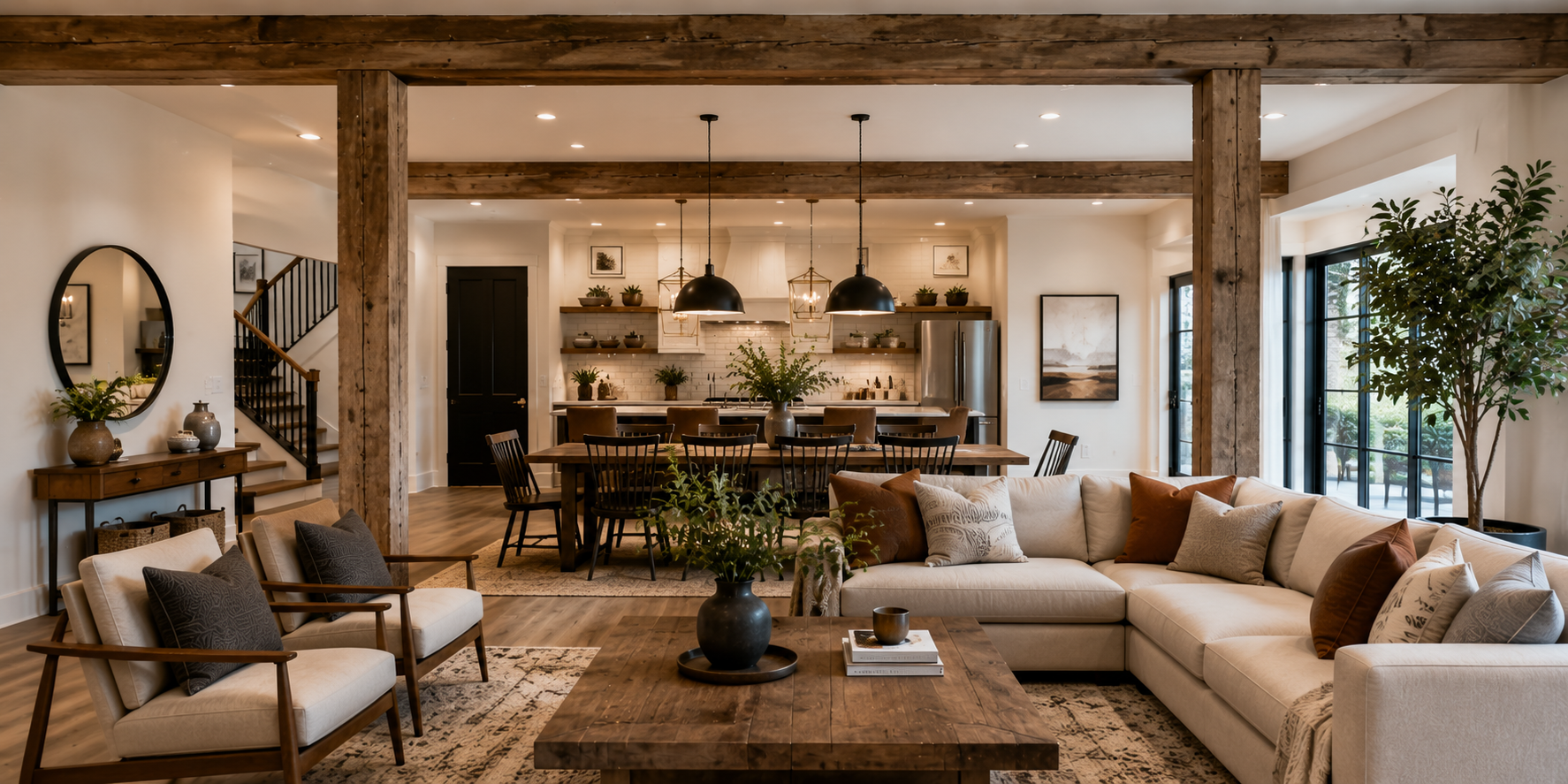
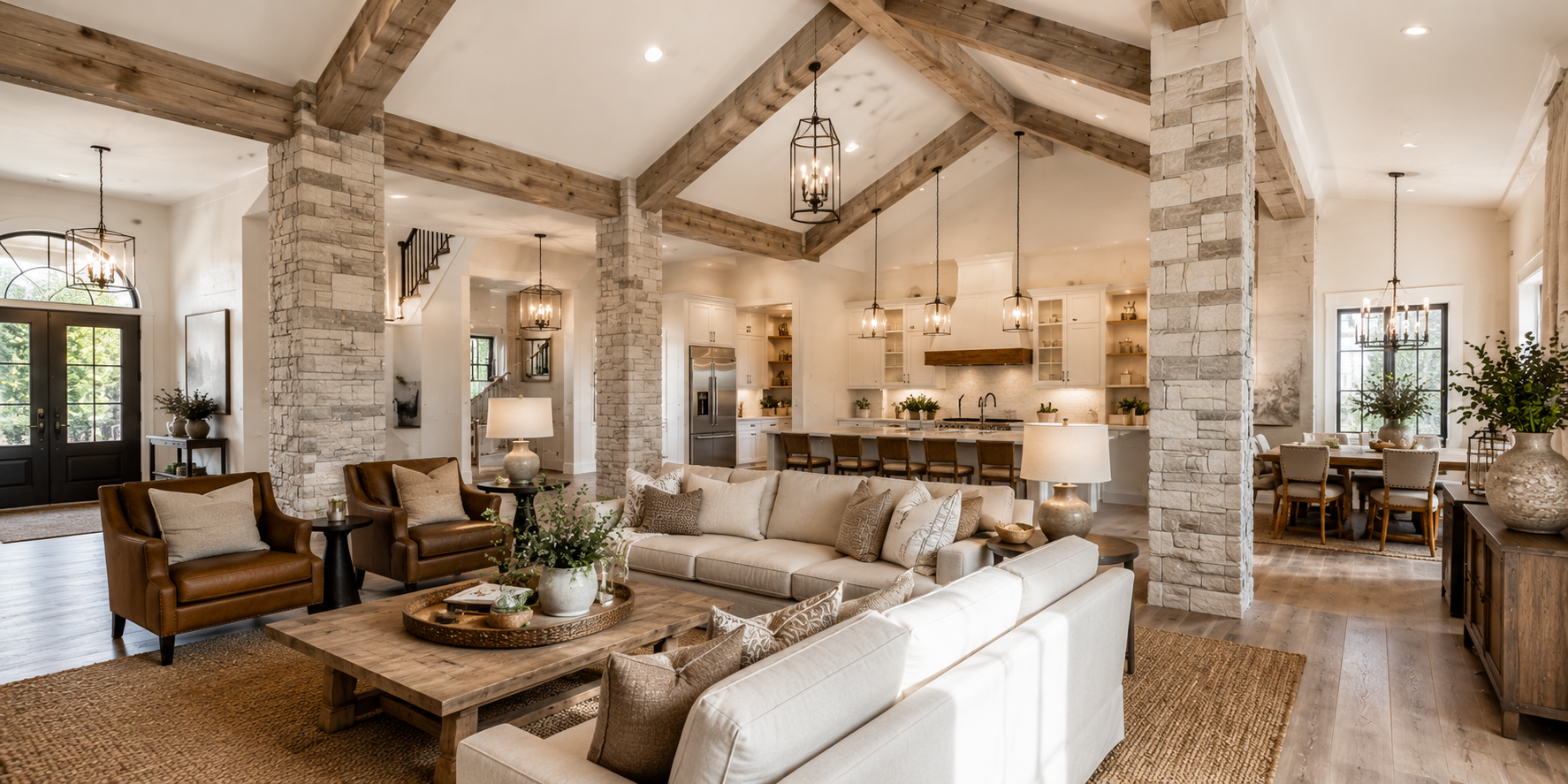
For texture lovers, wrapping beams in stone or brick veneer offers rustic sophistication. The tactile surfaces contrast beautifully against smooth walls or sleek furnishings, adding authenticity and strength.
Natural limestone or river rock creates a mountain-lodge feel, while painted brick offers urban chic. You can coordinate the beam veneer with a fireplace or accent wall for continuity. This look pairs wonderfully with warm wood flooring, neutral textiles, and wrought-iron fixtures. It’s a transformative design move — one that turns structural necessity into architectural art.
To give your ceiling a sense of rhythm and flow, integrate your beams into paneling or shiplap. Instead of letting the beams appear isolated, make them part of a continuous surface.
Painting both beams and ceiling planks in similar tones — such as off-white, gray, or pale oak — unifies the room and enhances perceived height. The subtle shadows formed between the panels and beams add depth without visual clutter. This approach shines in coastal, farmhouse, or transitional interiors. It creates a refined yet relaxed atmosphere that feels cohesive from every angle. 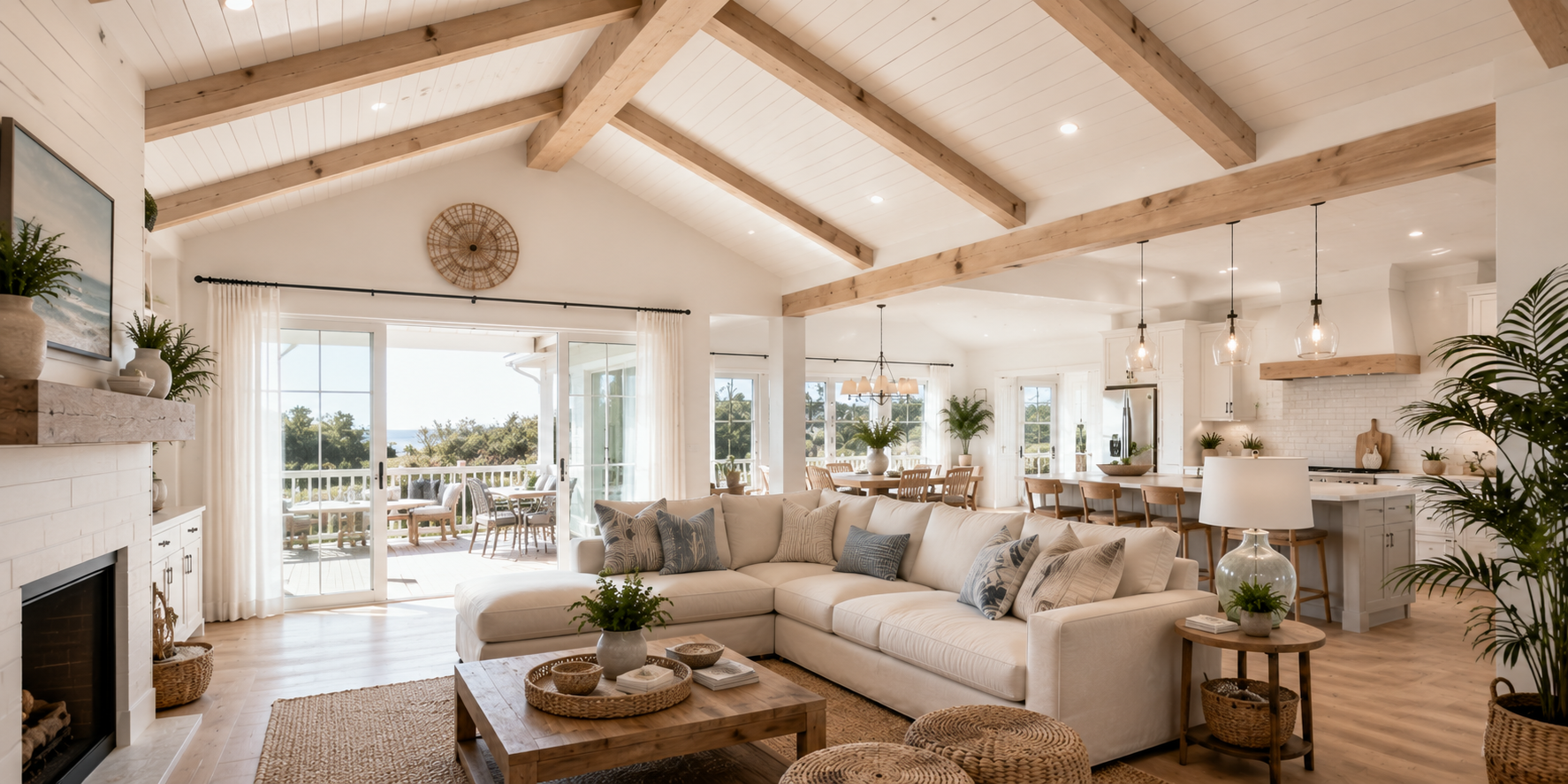
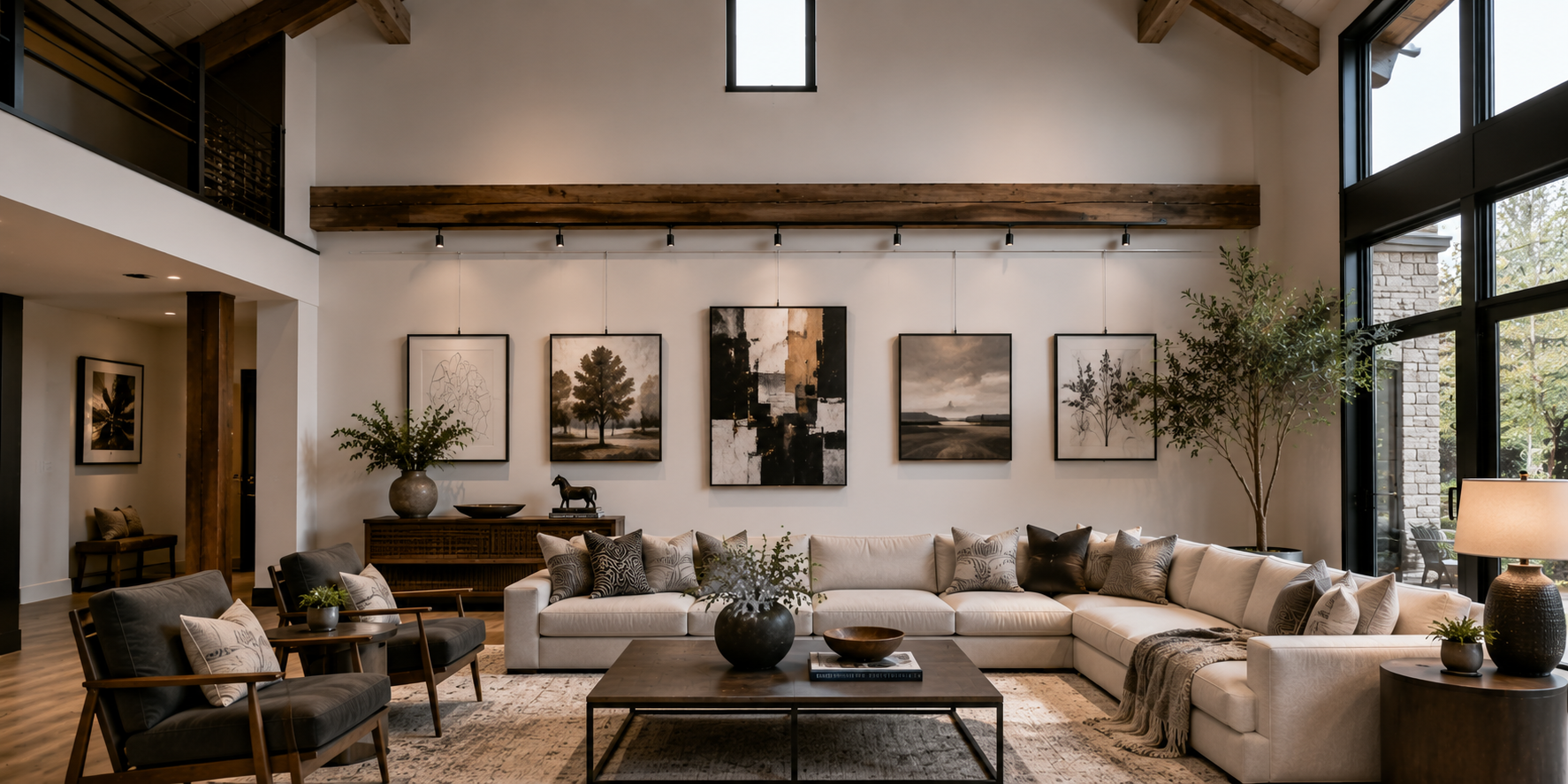
Support beams offer a unique opportunity to display art creatively. Attach gallery-style hanging systems or slender rods along your beams to suspend framed prints or small sculptures.
This technique works especially well in tall rooms or stairwells, where walls are high and open. You can easily swap artwork seasonally without damaging walls — perfect for dynamic, evolving interiors. Pair this idea with directional lighting to highlight each piece. The combination of architecture and art creates a space that feels curated and deeply personal.
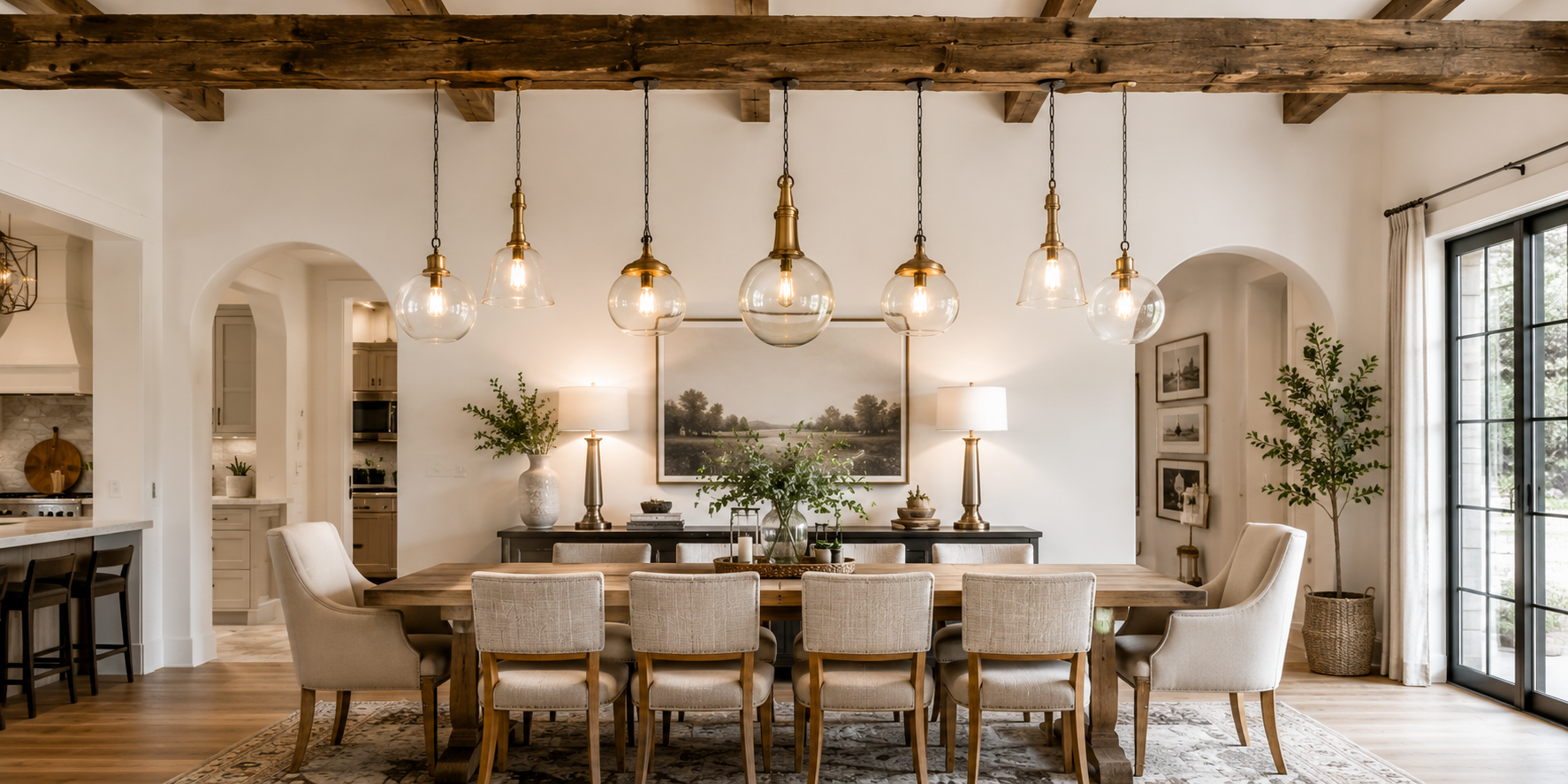
Pendant lights suspended from beams add drama and rhythm to a ceiling. Whether you’re lighting a dining table or defining a hallway, pendants along a beam line create architectural flow. Varying the height of each fixture can introduce visual movement and softness. Opt for glass globes for modern elegance, woven rattan shades for organic warmth, or metal pendants for industrial flair.
The beam itself hides the wiring and anchors the lights securely. The result is both practical and poetic — a beam transformed into a sculptural lighting centerpiece.
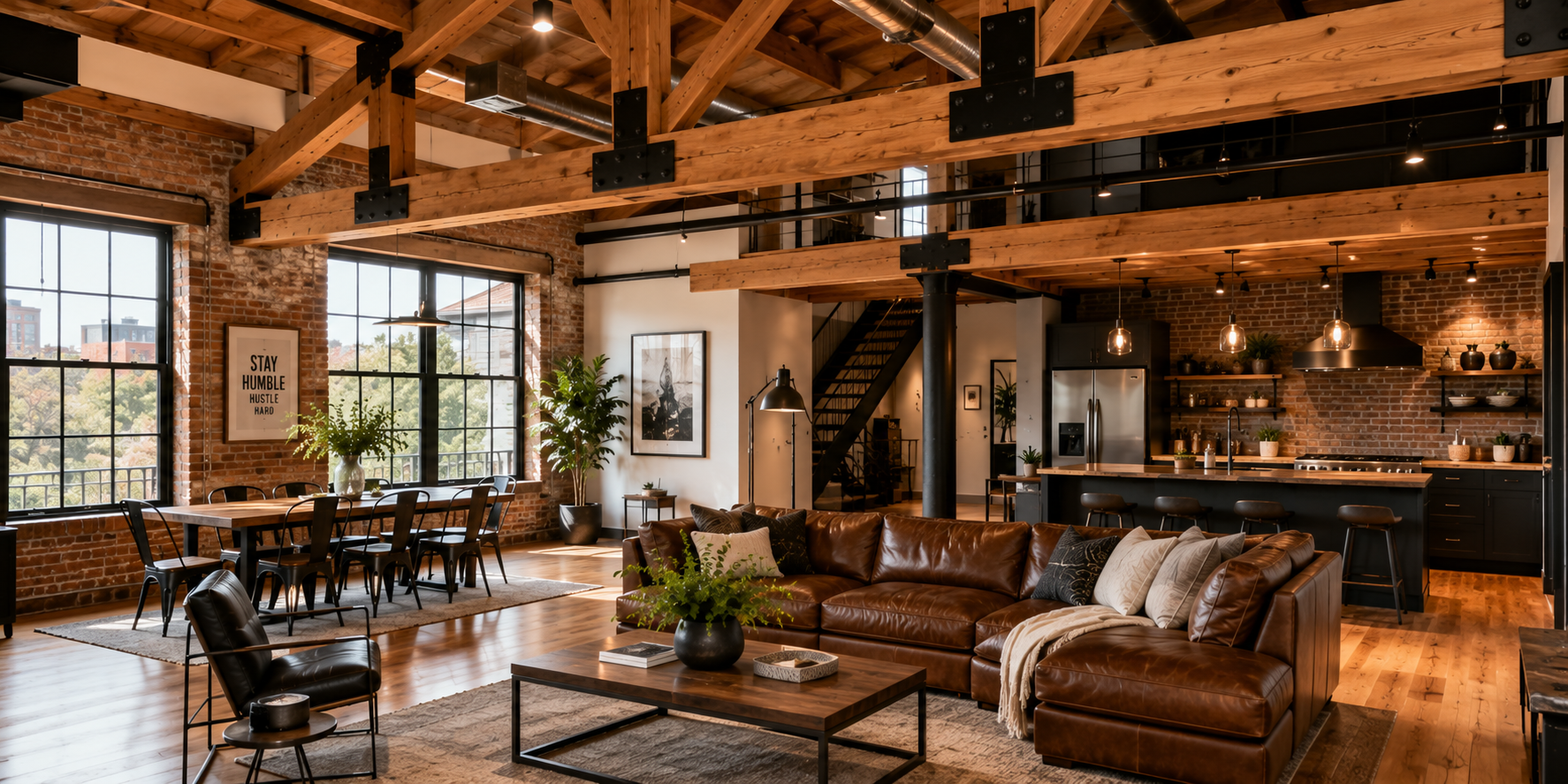
Decorative metal brackets or straps can turn a plain wood beam into an industrial masterpiece. These details emphasize craftsmanship while adding strength and authenticity.
Matte black, bronze, or brushed steel finishes stand out beautifully against wood tones. Even purely decorative versions can make beams look substantial and designed, not accidental. Pair with other metallic accents — iron stair railings, black-framed windows, or pendant lights — to unify the theme. The mix of metal and timber strikes the perfect balance between rugged and refined.
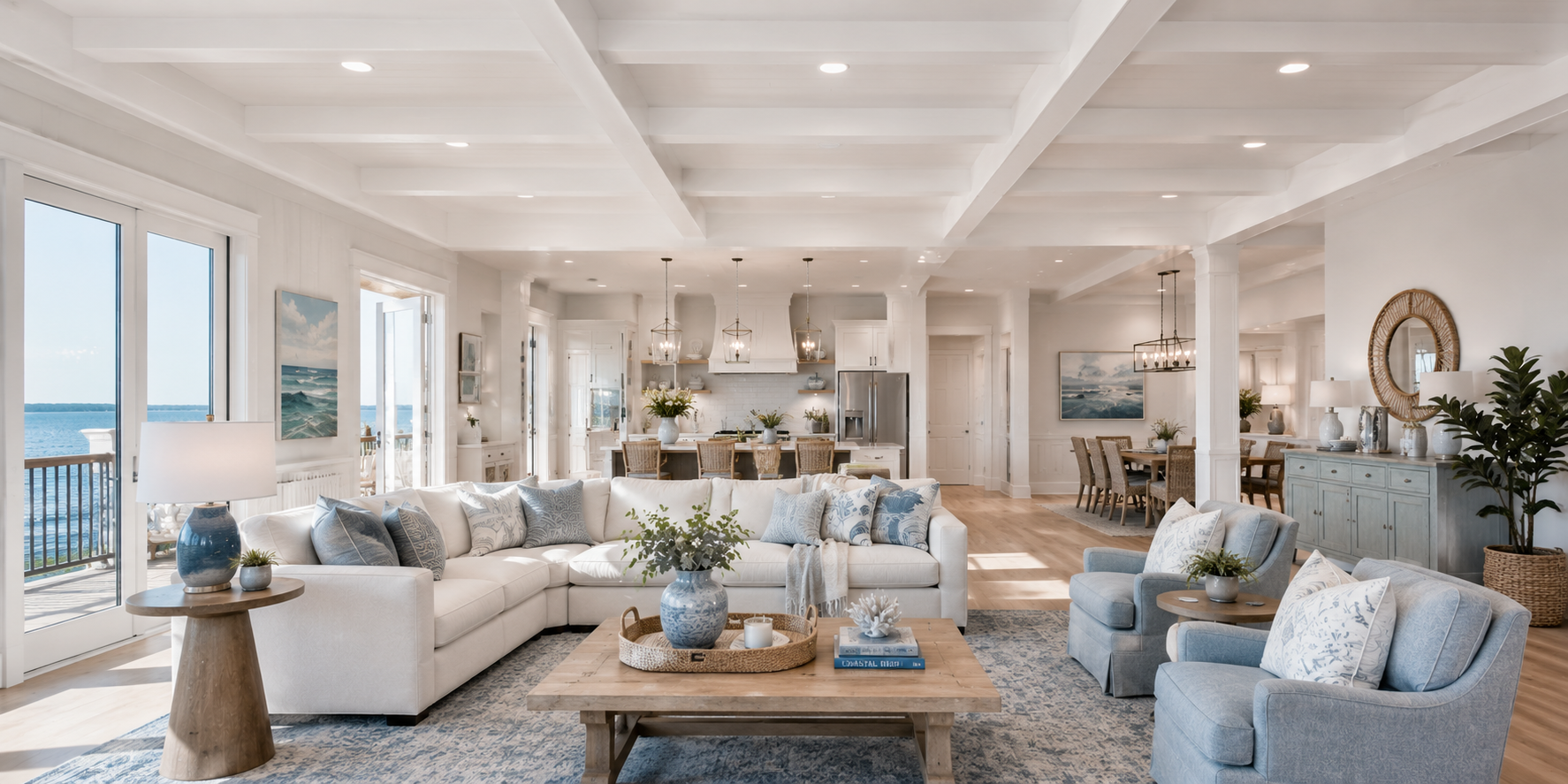
Sometimes subtlety makes the biggest statement. Painting beams the same color as your ceiling helps them disappear visually, giving your room a serene, unbroken flow.
This approach is ideal for smaller rooms or spaces with low ceilings, where dark contrast might feel heavy. White or cream-painted beams reflect natural light, making ceilings appear higher and airier. Even though the beams blend in, their shadow lines still add quiet architectural rhythm. The result is a space that feels calm, bright, and uncluttered — proof that minimalism doesn’t mean lack of detail.
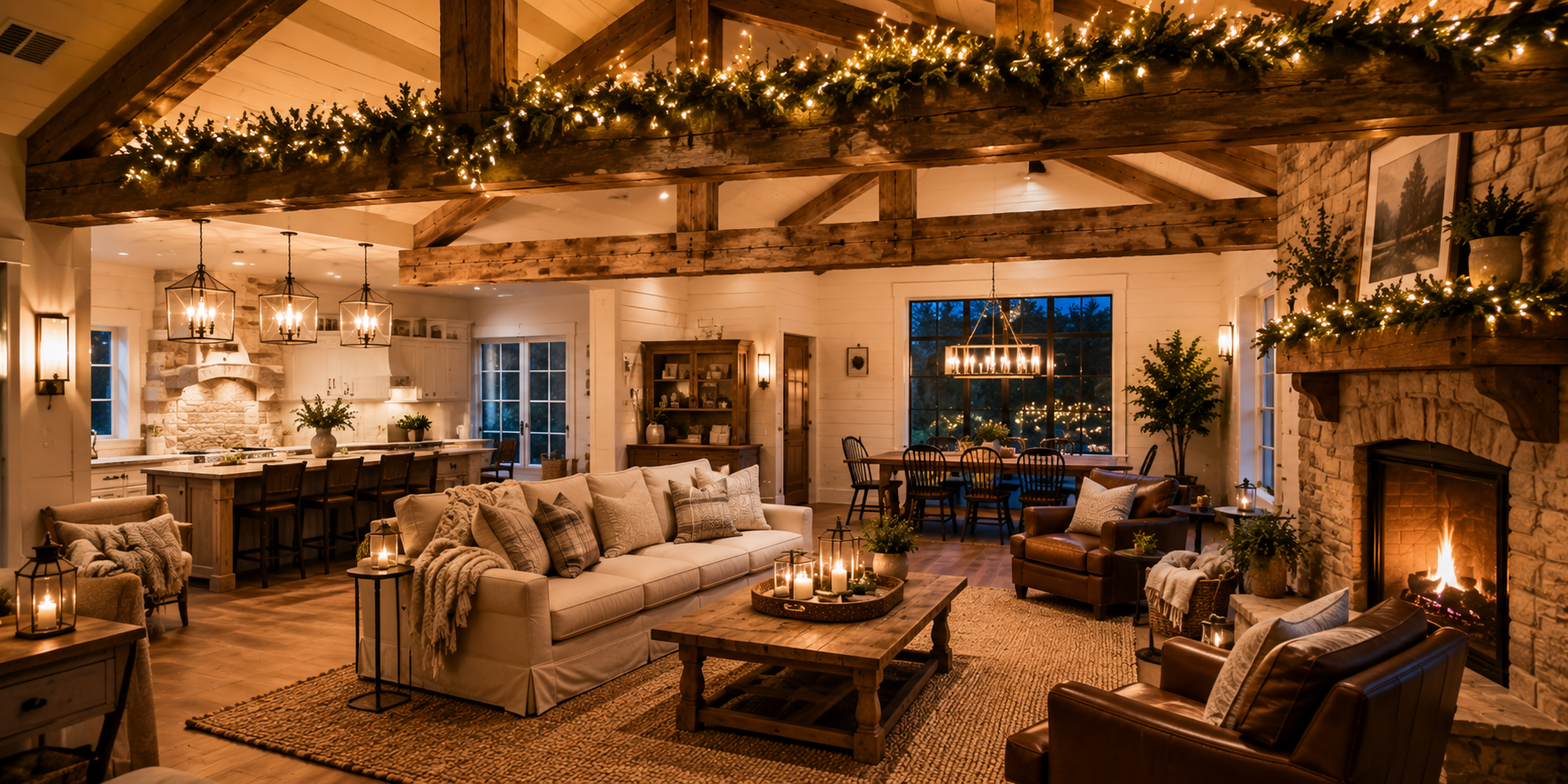
Your beams can serve as the perfect seasonal backdrop for creativity. Drape garlands, lights, or greenery across them for holidays or celebrations. In spring, use hanging florals or vines for freshness. In autumn, weave in dried leaves or warm-toned fabrics. For winter, string fairy lights or evergreen garlands for cozy charm. These small, temporary touches can completely shift a room’s mood. Because beams naturally draw the eye upward, they’re ideal spots for festive decoration that enhances without overwhelming your main furnishings.
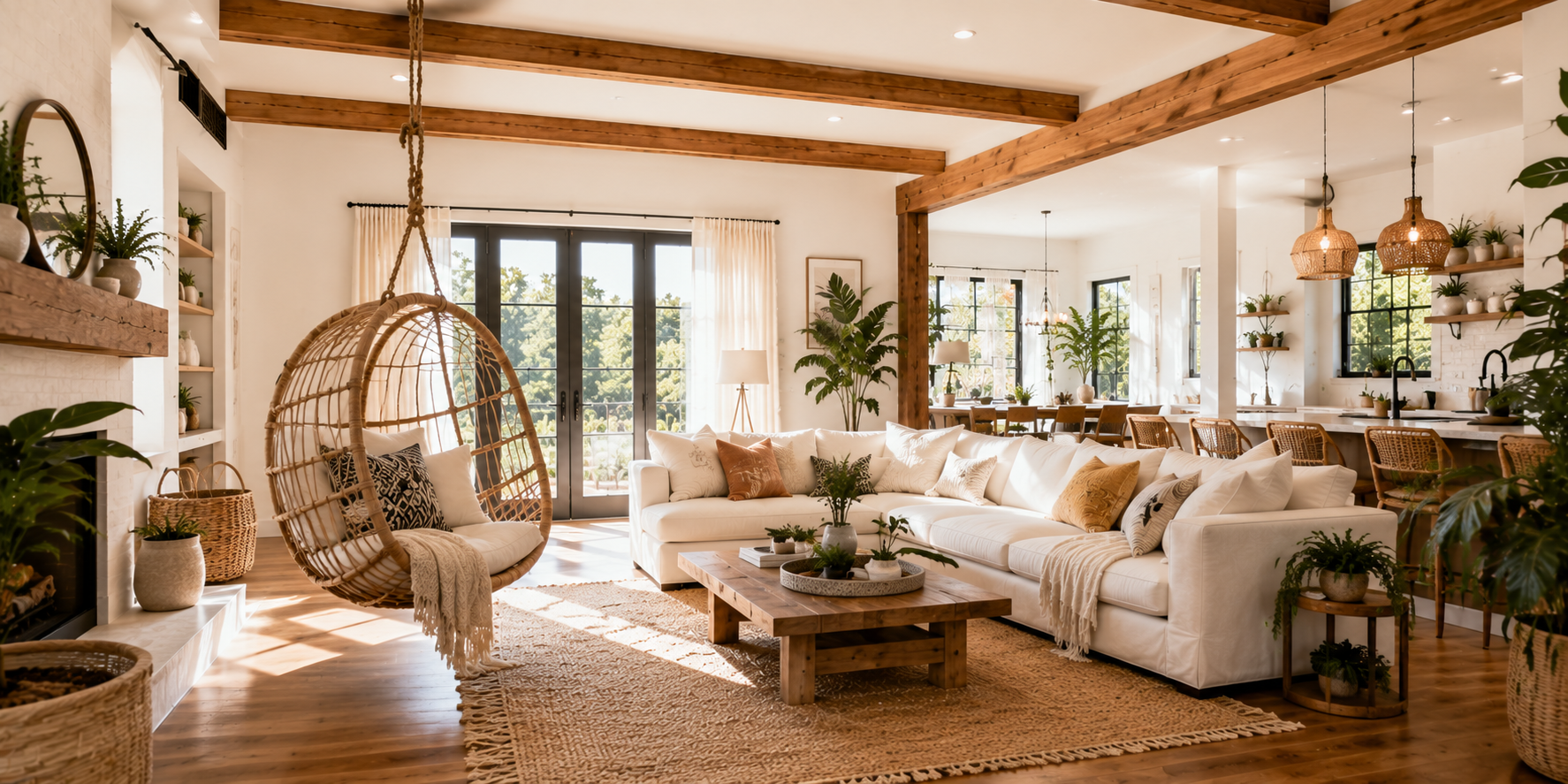
If your beam is structurally sound, use it to suspend functional decor elements — such as hanging chairs, swings, or hammocks.This creates an instant focal point while saving floor space. A hanging rattan chair, for instance, brings movement and relaxation to a reading nook, while a small indoor swing adds whimsy to a family room.
Always ensure beams are properly reinforced before attaching any weight-bearing items. Once secured, the result is both functional and stylish — a blend of engineering and artistry.
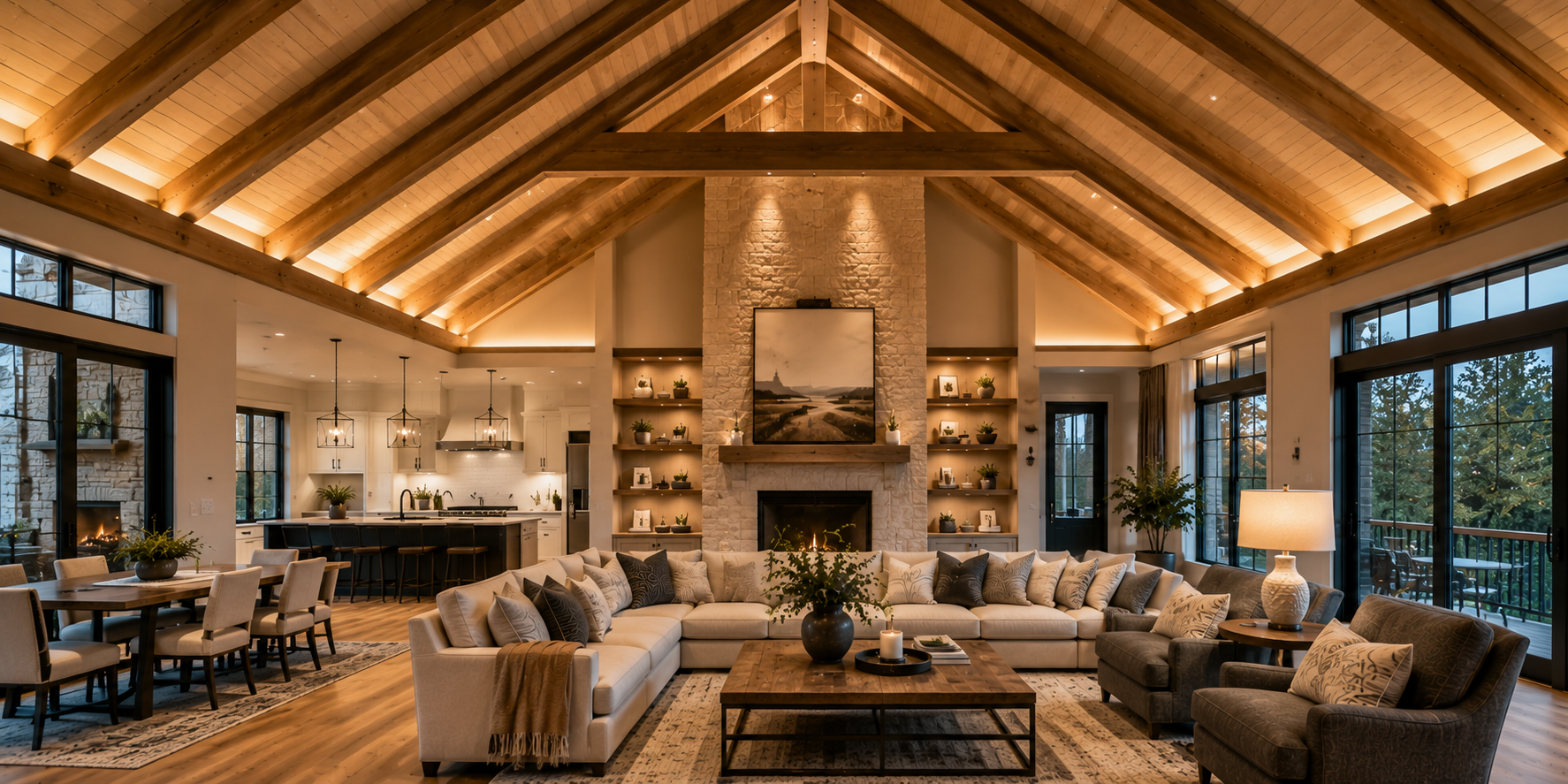
While most lighting directs downward, uplighting your beams can create an entirely different mood. LED strips or spotlights aimed upward highlight the wood grain, shape, and depth of your beams, adding drama and texture. This technique works particularly well in rooms with vaulted ceilings, where shadows dance across angled surfaces. Soft amber or warm white lights create a comforting evening glow, turning beams into sculptural features. It’s a subtle yet luxurious touch — the kind of design detail that elevates an interior from beautiful to breathtaking.
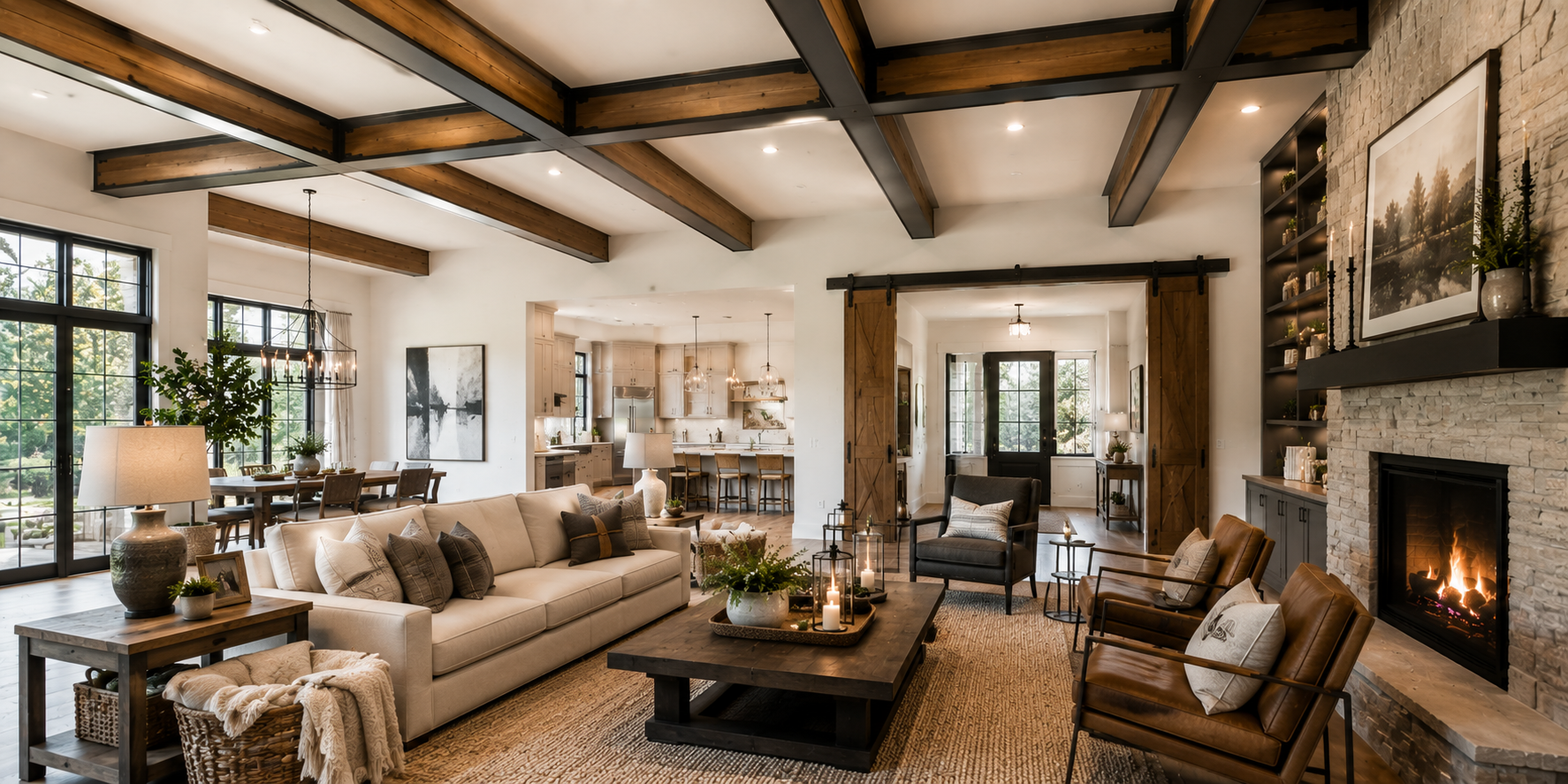
The most memorable interiors are those that blend materials thoughtfully. For a one-of-a-kind look, combine wood, metal, and paint finishes on your support beams. For example, wrap a wooden beam with slim black steel edges for industrial contrast, or add brass accent inlays for a modern, high-end touch. You can even integrate lighting tracks or acoustic panels for functionality.
Mixing materials creates visual intrigue and reflects your personal style. Whether modern farmhouse or urban loft, this approach transforms the beam into a design centerpiece that feels deliberate and custom-built.
From Structure to Style Statement. Support beams are more than mere necessities — they’re opportunities for design expression. Instead of blending them out of sight, highlight their beauty and purpose.
From rustic wood wraps and stone veneers to bold color contrasts and hanging decor, every idea above demonstrates how to merge form with function. Whether your goal is warmth, drama, or architectural cohesion, your beams can serve as both backbone and artwork. So next time you look up, don’t see a beam. See a blank canvas — ready to carry not just your roof, but your creativity.
G2G Team
06-10-2026
Let’s Build
Contact us todayGet daily tips and tricks for making your best home.
2025 Green to Gorgeous