3 MIN READ
Gardening
Written By
G2G Team
Published
June 10, 2026
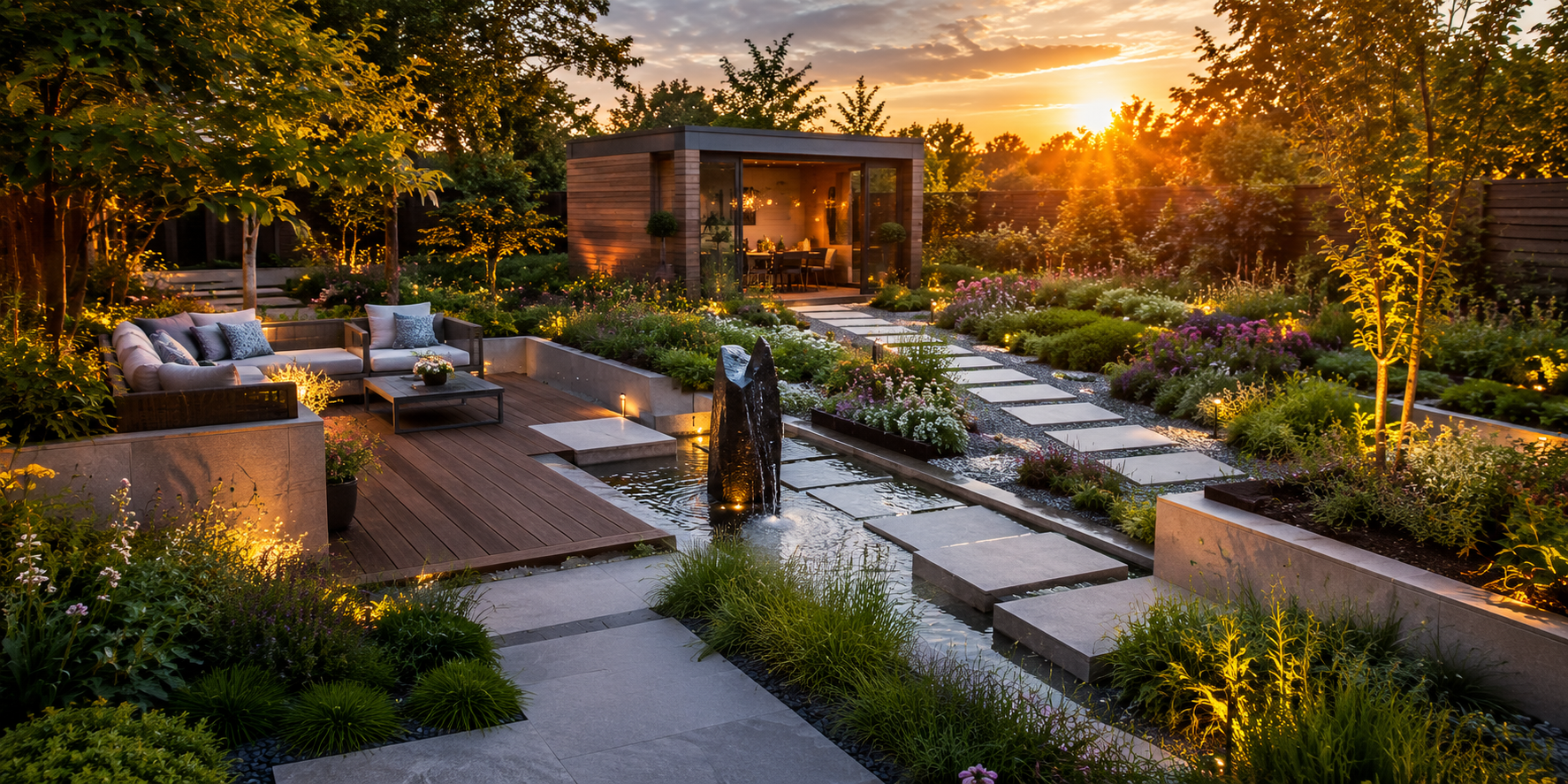
Have you ever stood in a beautifully designed garden and felt instantly lighter — like the world slowed down just for a moment? A great garden has that power. It doesn’t just decorate a space; it changes the way you feel in it. It’s where architecture meets emotion — structure meets softness — and art meets nature.
Gardens have evolved far beyond flower beds and lawns. Today’s outdoor spaces are extensions of our living environments, designed for relaxation, social gatherings, and self-expression. Whether you’re working with a compact city courtyard or a sprawling suburban yard, the key is to approach your garden with intentional creativity — treating every stone, plant, and beam of light as a design choice.
Below are 17 cool garden ideas for creative landscaping, blending modern design principles with natural artistry. These ideas will inspire you to see your outdoor space as a living composition — one that grows, evolves, and reflects your style all year long.
Every beautiful landscape has rhythm — and layering is how you achieve it. Layered planting creates a visual journey by arranging plants of varying heights and textures, guiding the eye naturally across the scene.
Start with a structural foundation: low ground covers like thyme or mondo grass to define form. Add mid-layer shrubs like lavender, boxwood, or dwarf hydrangea to fill gaps with color and volume. Finally, use tall ornamental grasses, bamboo, or small trees to introduce verticality and motion.
For the best results, layer by both height and color. Mix deep greens with silvery leaves or flowering plants to maintain interest across seasons. The interplay of light and shadow across these layers creates depth, movement, and an ever-changing landscape.
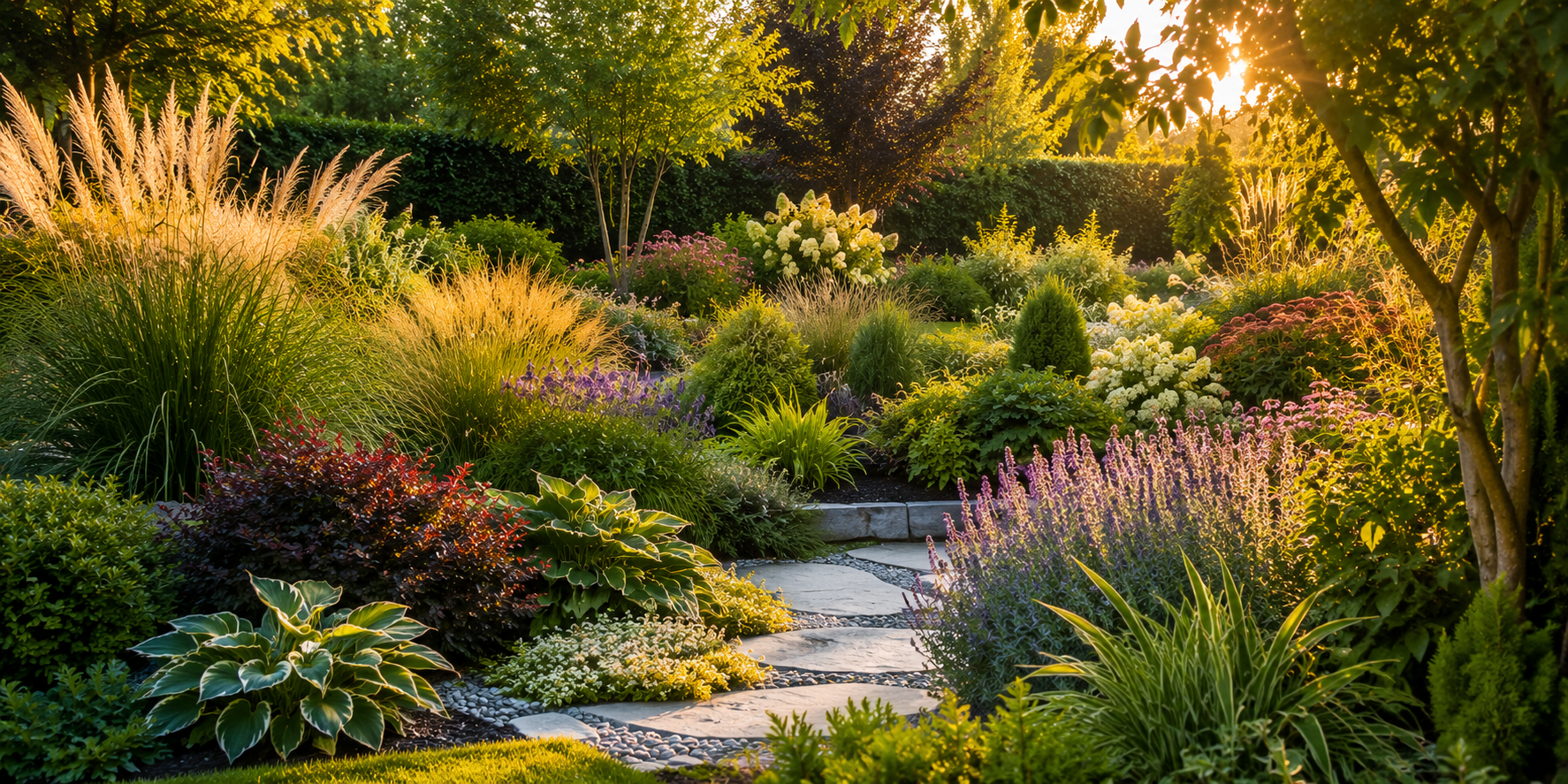
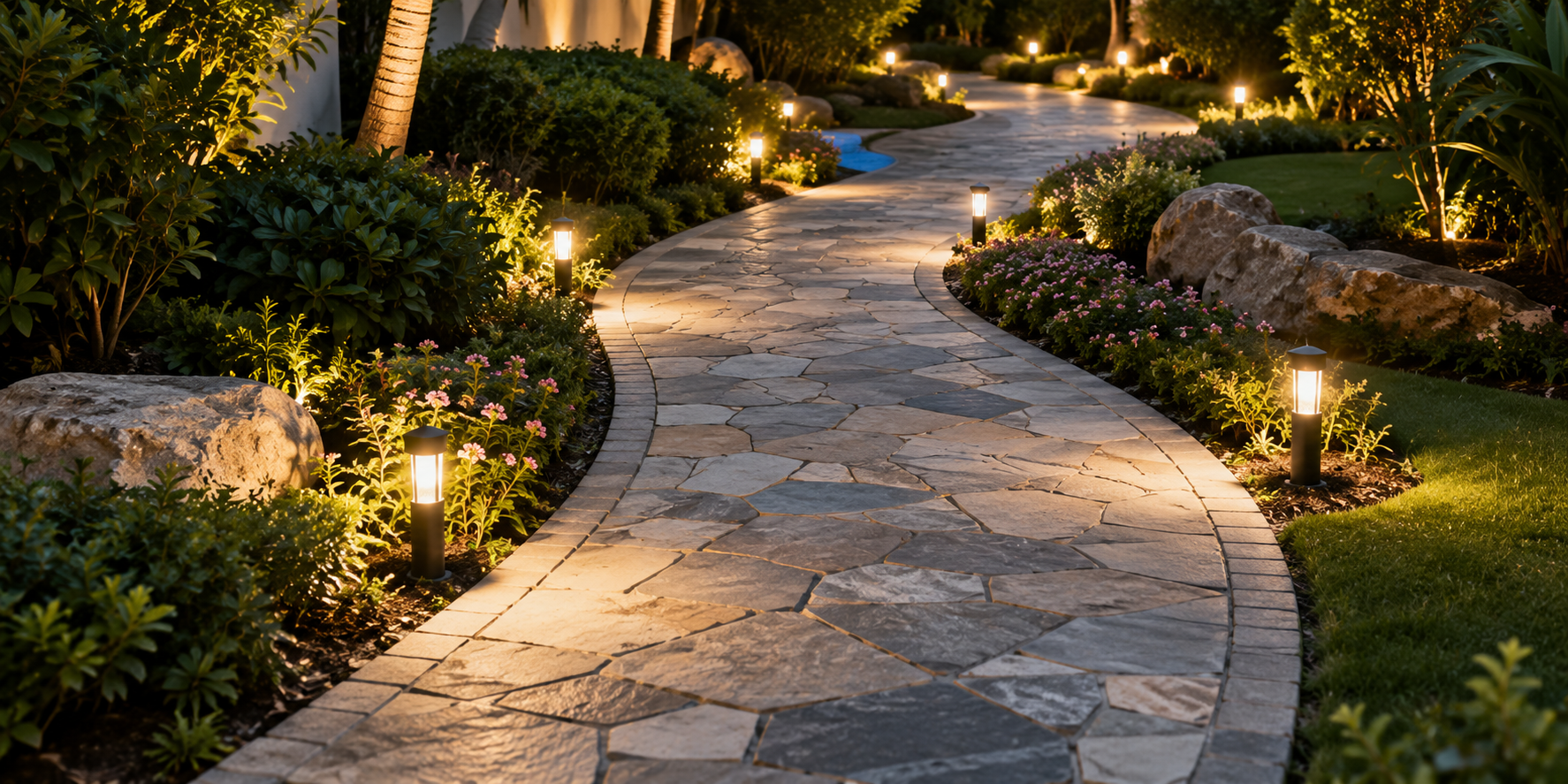
Nature rarely moves in straight lines — so your garden shouldn’t have to. Curved pathways create a sense of exploration and calm, encouraging slow movement through space. Use gravel for informal paths, flagstone for rustic elegance, or concrete for a modern look. Line them with low borders — perhaps thyme, boxwood, or lavender — so they visually guide the journey. Gentle curves hide what lies ahead, making even a small garden feel larger and more mysterious. Lighting plays a role, too. Low-level path lights or lanterns can turn a simple walkway into a nighttime highlight, adding rhythm and glow to the landscape.
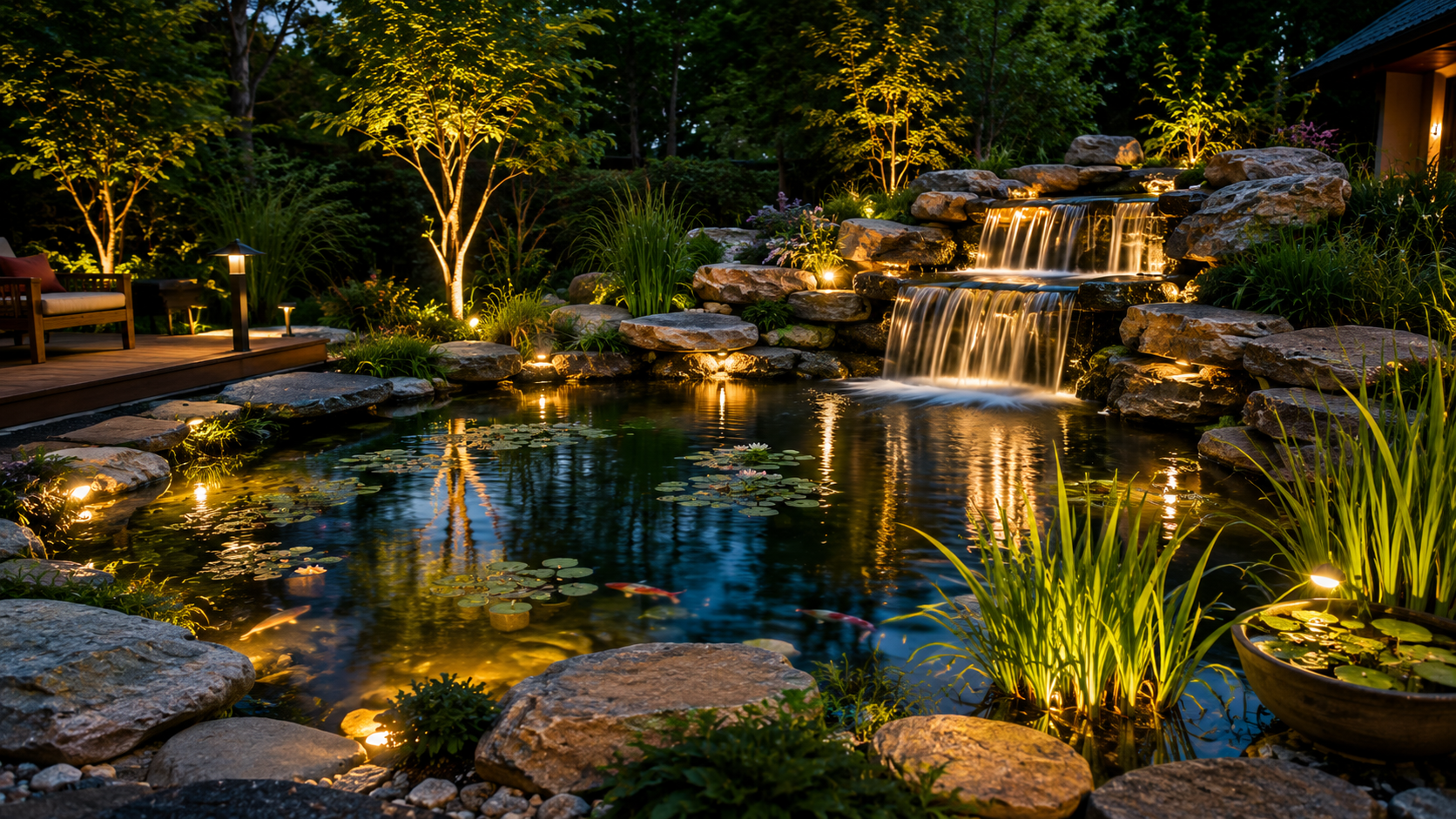
Few design elements bring as much peace as the sound of water. Whether it’s a bubbling fountain, reflecting pool, or koi pond, water introduces motion and tranquility to a garden.
In small spaces, opt for wall-mounted or bowl-style fountains that recycle water. Larger gardens benefit from linear reflecting pools or naturalistic ponds surrounded by reeds and lilies. The gentle sound of flowing water masks urban noise, creating a sensory oasis. Pair your water feature with stone or wood for balance. Lighting beneath the surface adds shimmer at night — turning it into a centerpiece that calms the mind and pleases the eye.
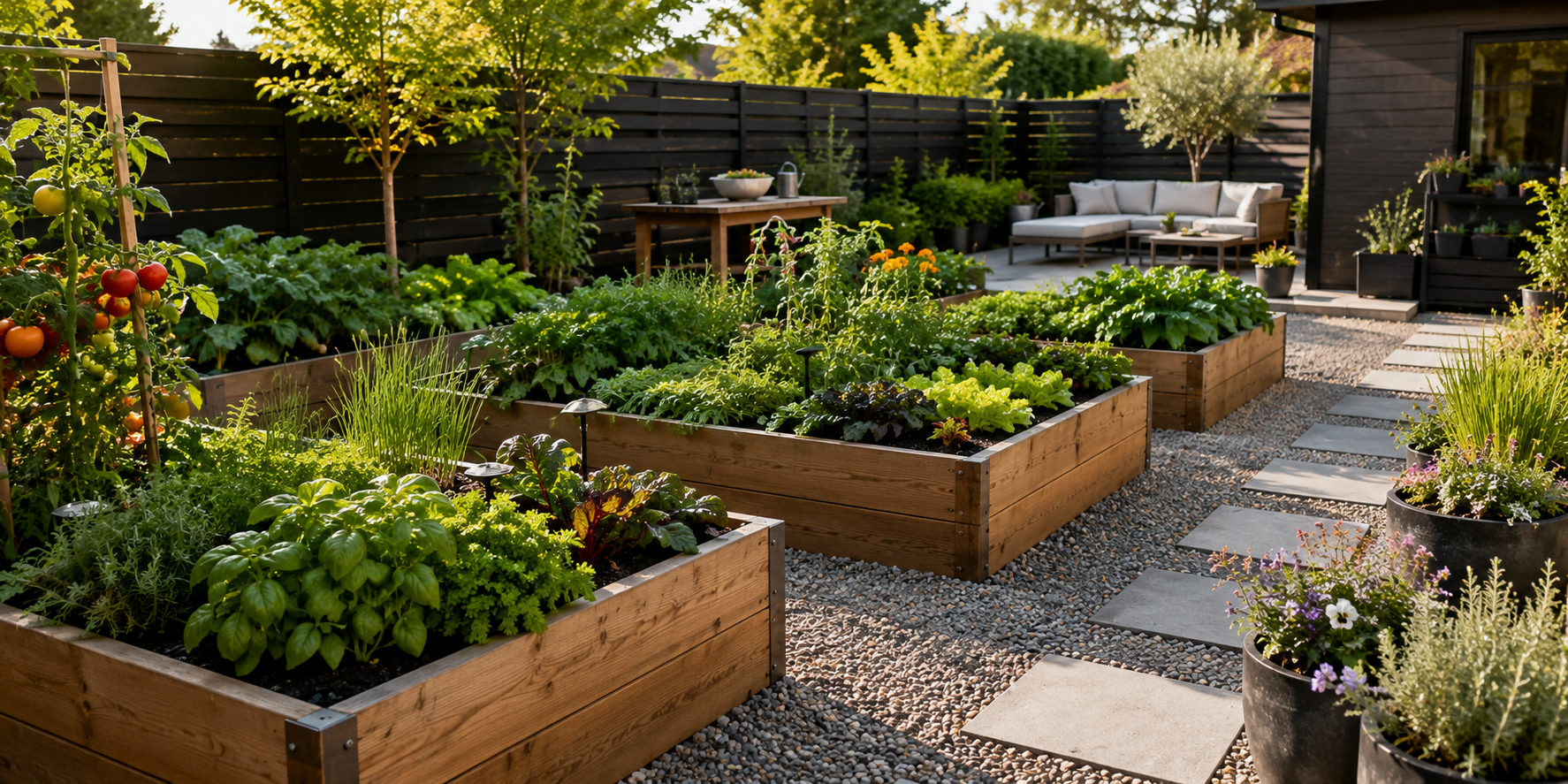
Raised beds provide structure, visual balance, and functionality. They help define space, improve drainage, and add layers to flat gardens. Use corten steel for a contemporary, architectural look, or cedar for a more organic feel. Fill your raised beds with colorful perennials, vegetables, or herbs — plants that bring both beauty and purpose.
For visual interest, vary the heights of the beds and align them geometrically. Add stone or gravel between them for easy maintenance and contrast. A series of raised beds can act as living sculptures, turning a simple vegetable patch into an elegant landscape feature.
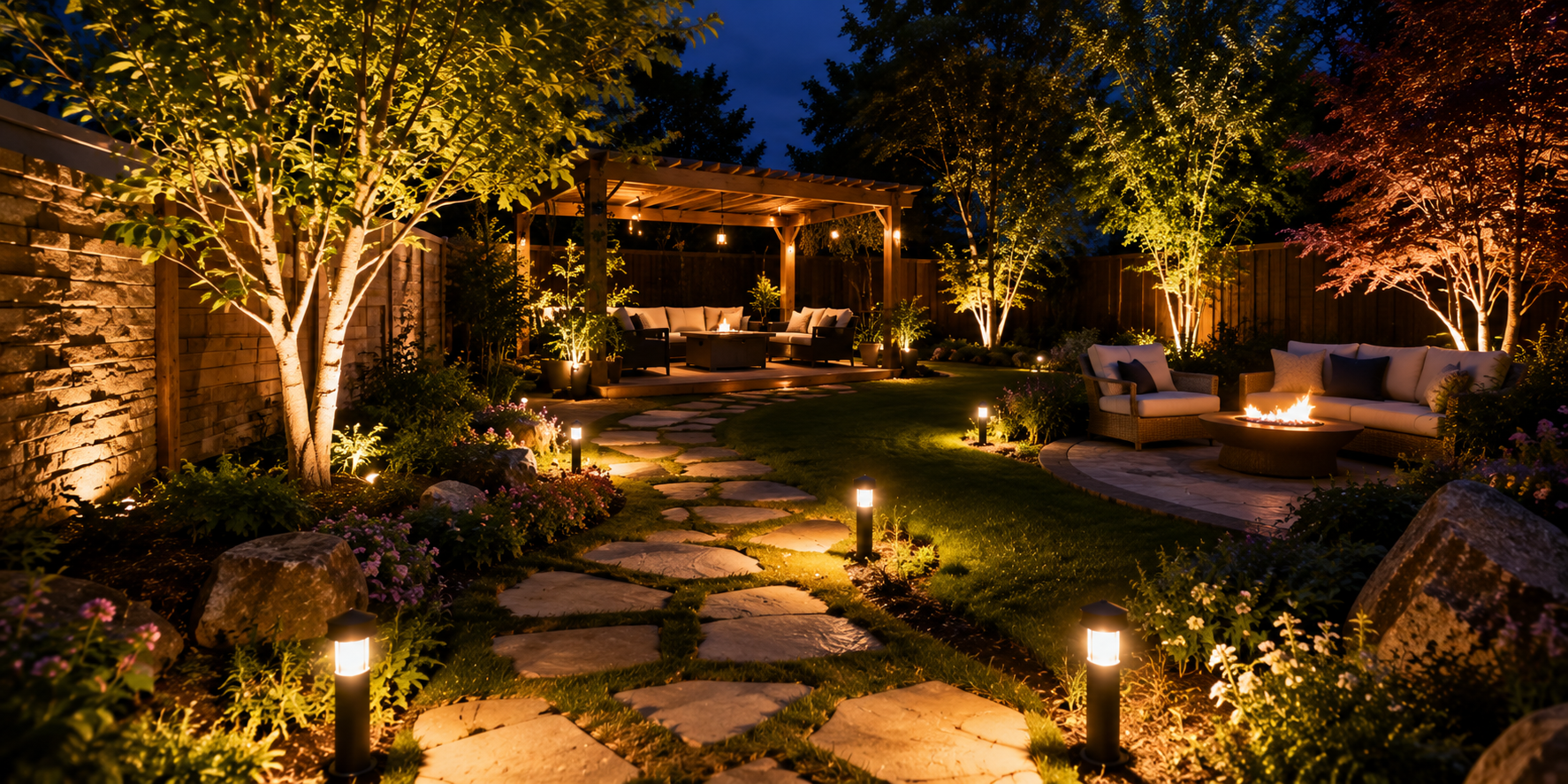
A great garden doesn’t stop being beautiful when the sun sets. Outdoor lighting transforms your garden into a glowing retreat, enhancing architecture and atmosphere. Start with three layers: ambient (overall brightness), task (lighting for walkways or dining areas), and accent (to highlight plants or structures). Uplighting a tree trunk or grazing light along a wall adds dimension. Lanterns or string lights bring intimacy and romance.
For energy efficiency, use low-voltage LEDs and warm tones. Smart systems can even dim or change hue based on time of day, creating dynamic evening moods.
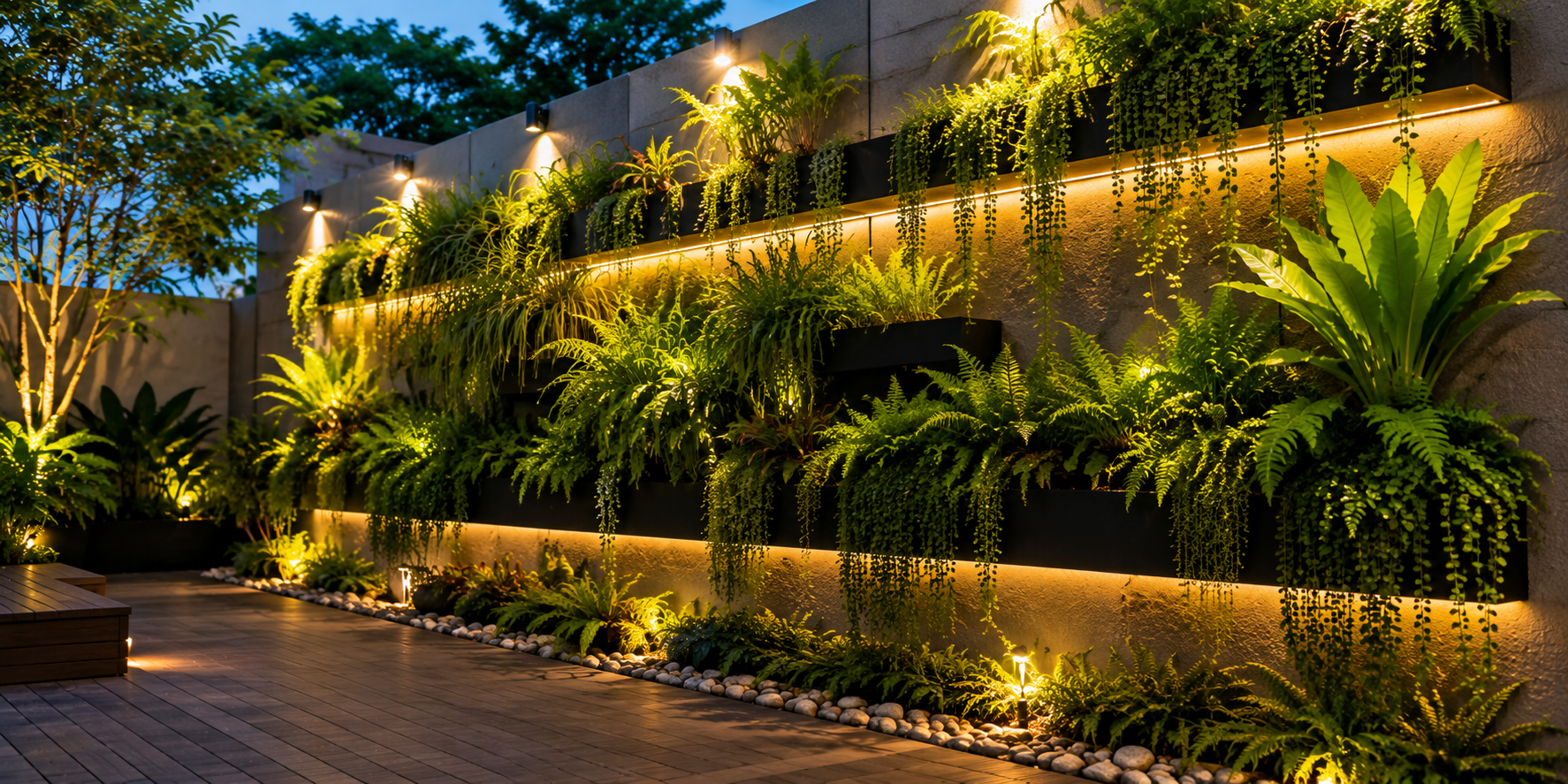
When horizontal space runs out, go vertical. Living walls and vertical gardens add lushness where floor space is limited. Install modular panels or trellises and fill them with trailing ferns, succulents, or edible herbs. A drip irrigation system keeps maintenance simple. Vertical gardens soften hard walls and bring freshness to patios or balconies. For modern homes, combine green walls with wood slats or metal frames for a sculptural effect. The layered green textures also improve air quality and act as natural insulation.
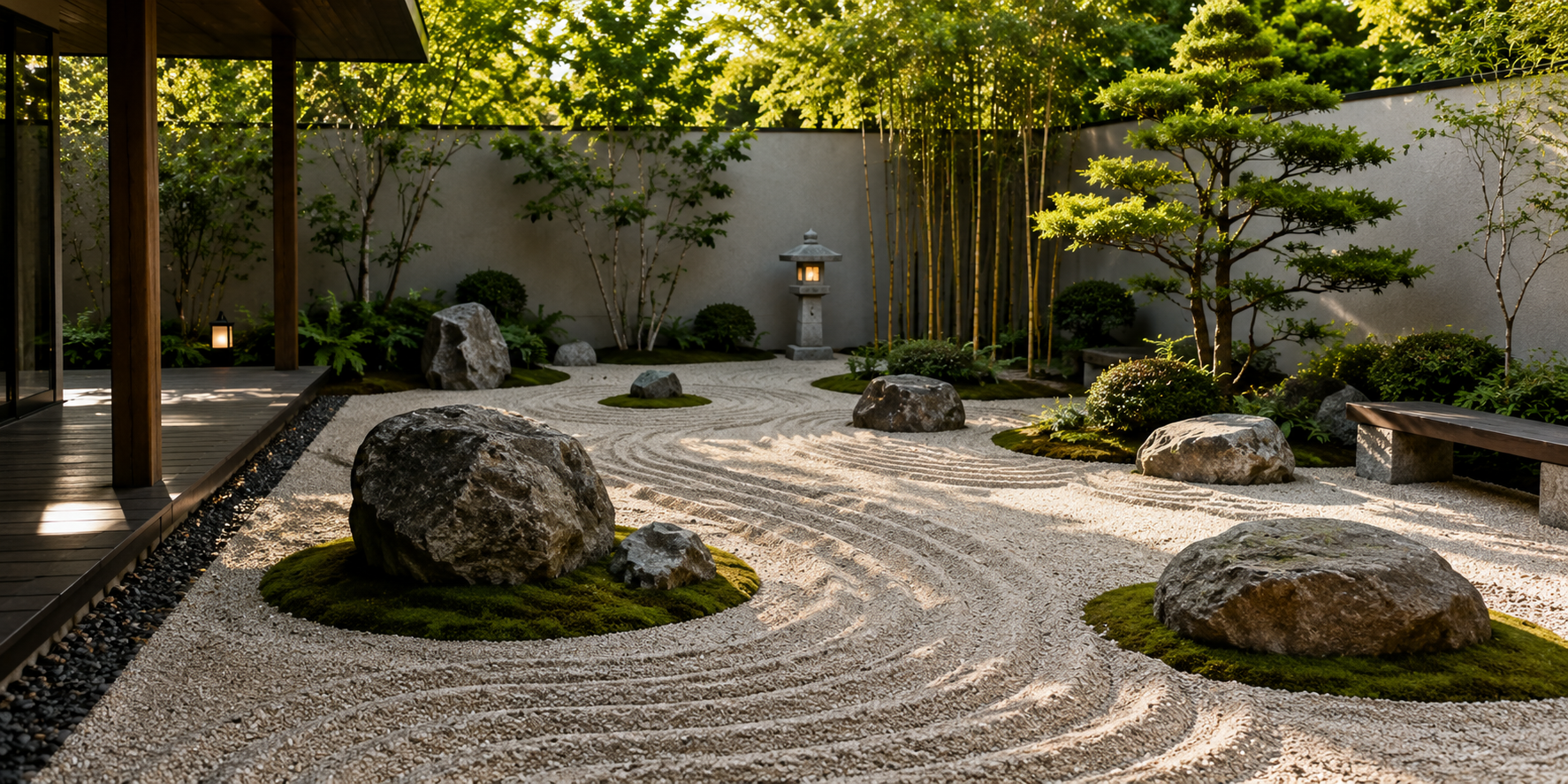
Inspired by Japanese Zen design, rock gardens use simplicity to convey tranquility. The contrast between stone, sand, and sparse greenery creates meditative calm. Arrange gravel in flowing raked patterns to suggest water. Add large boulders or stones as focal points and frame them with moss or low succulents. The result is an elegant study in restraint — where every element has meaning. This style complements contemporary homes, courtyards, or side yards that need minimal upkeep yet visual harmony.
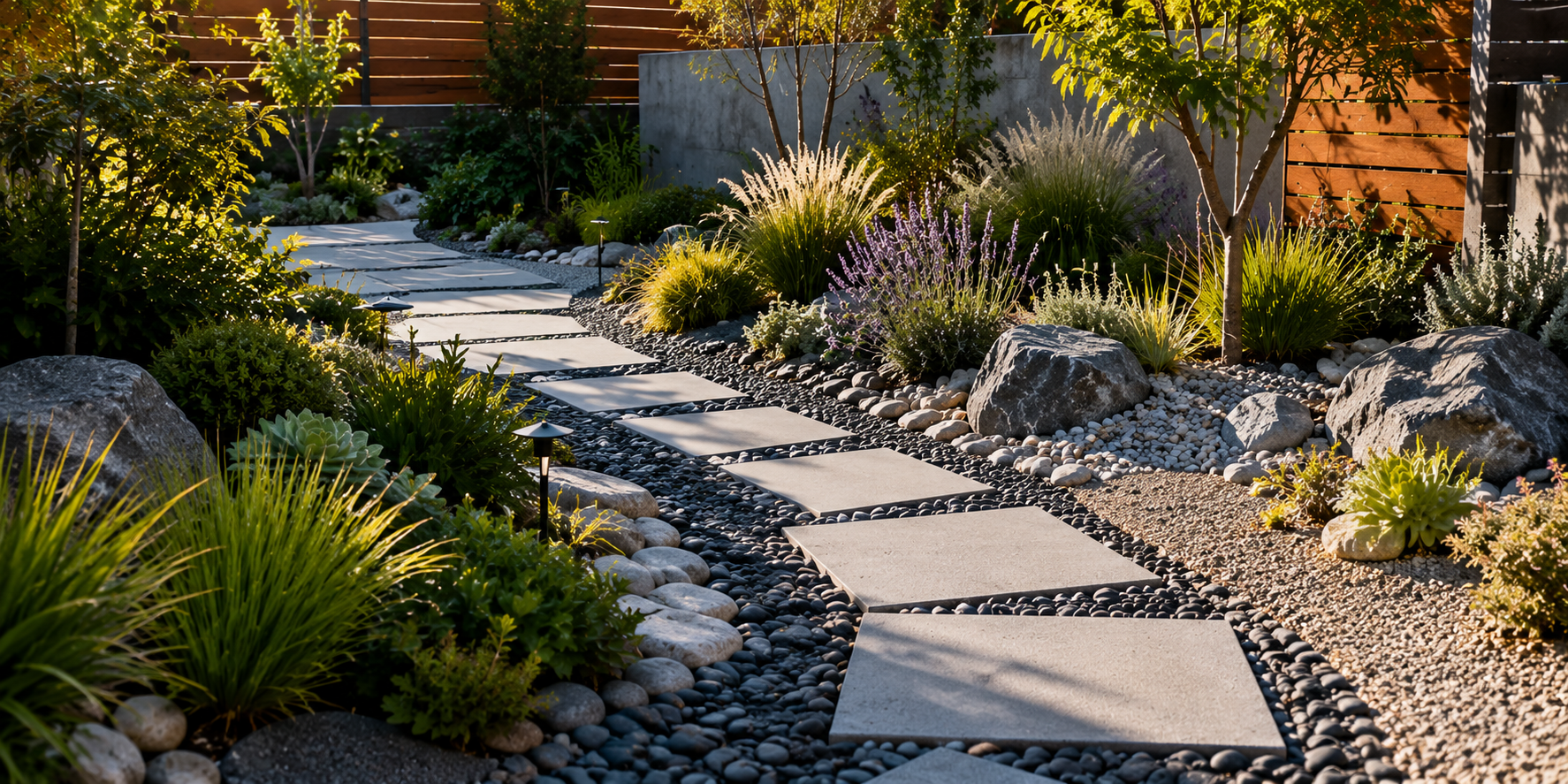
Visual texture can be just as powerful as color. Combining contrasting surfaces and plant types creates rhythm and visual tension. Pair glossy-leaved hostas with soft, wispy grasses; smooth slate pavers with rough stone borders. This balance engages the senses — inviting you to look closer, touch surfaces, and experience depth. In modern design, use repetition for cohesion. Echo the texture of your planters in your seating materials or mirror foliage tones in nearby decor. Consistency turns diversity into harmony.
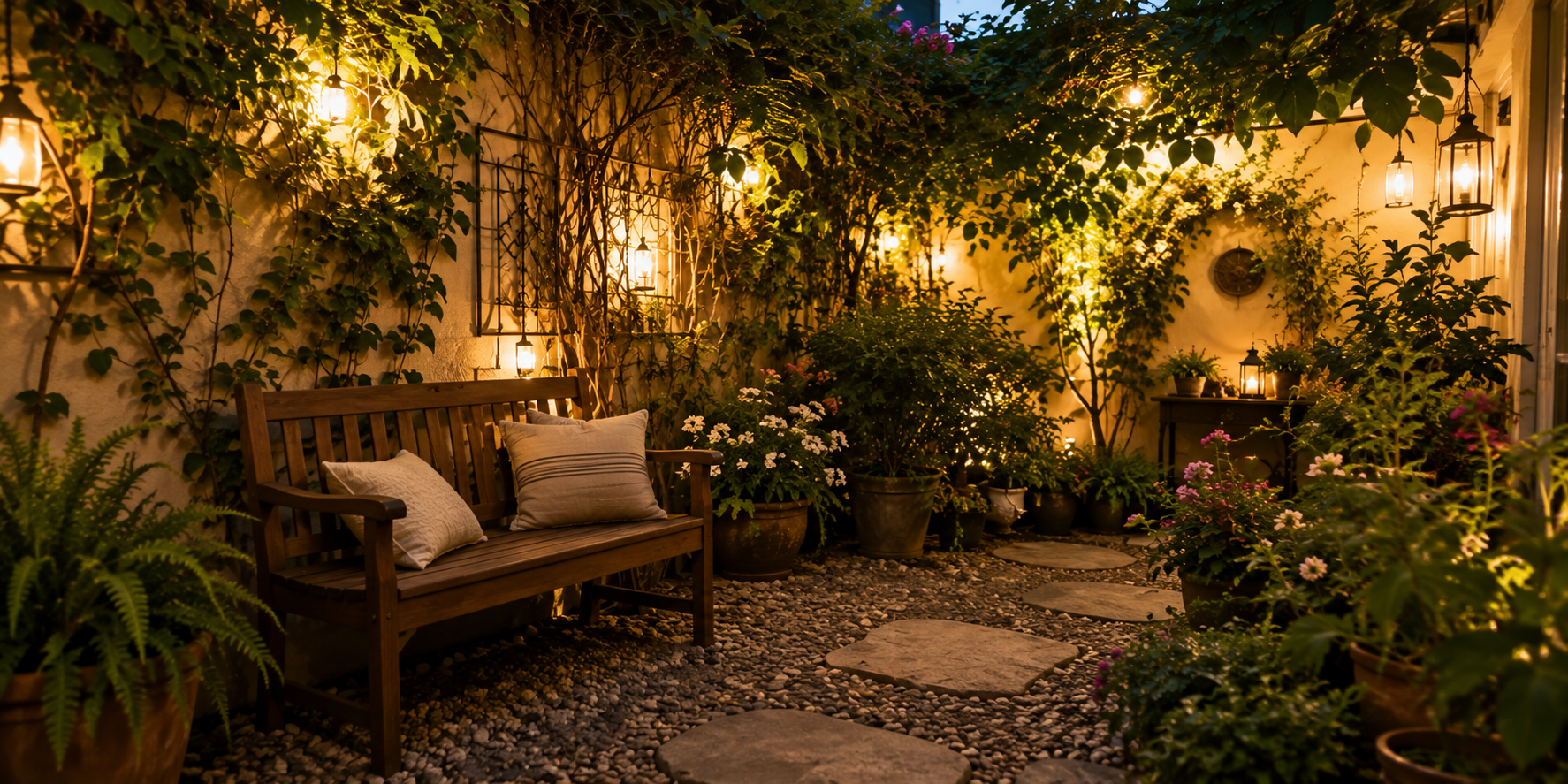
Every garden should have a place to sit, reflect, or share a moment. Outdoor nooks create intimacy within openness. Build a wooden bench beneath a tree canopy, a stone seat by the pond, or a modern lounge tucked among planters. Surround it with fragrant plants — jasmine, rosemary, or mint — to engage all the senses. Soft cushions, overhead pergolas, and subtle lighting turn simple seating into a sanctuary. The key is positioning: orient your seating toward a view, focal plant, or morning light.
Statement planters bring geometry and artistry into your garden. Instead of small pots scattered randomly, think of planters as design anchors. Choose oversized shapes — concrete cylinders, angular metal boxes, or ceramic urns. Group them in threes for rhythm or line them symmetrically along paths. Keep plantings minimalist — one sculptural species per planter, such as aloe or fiddle leaf fig. The interplay of plant form and container shape turns functional objects into artistic installations.
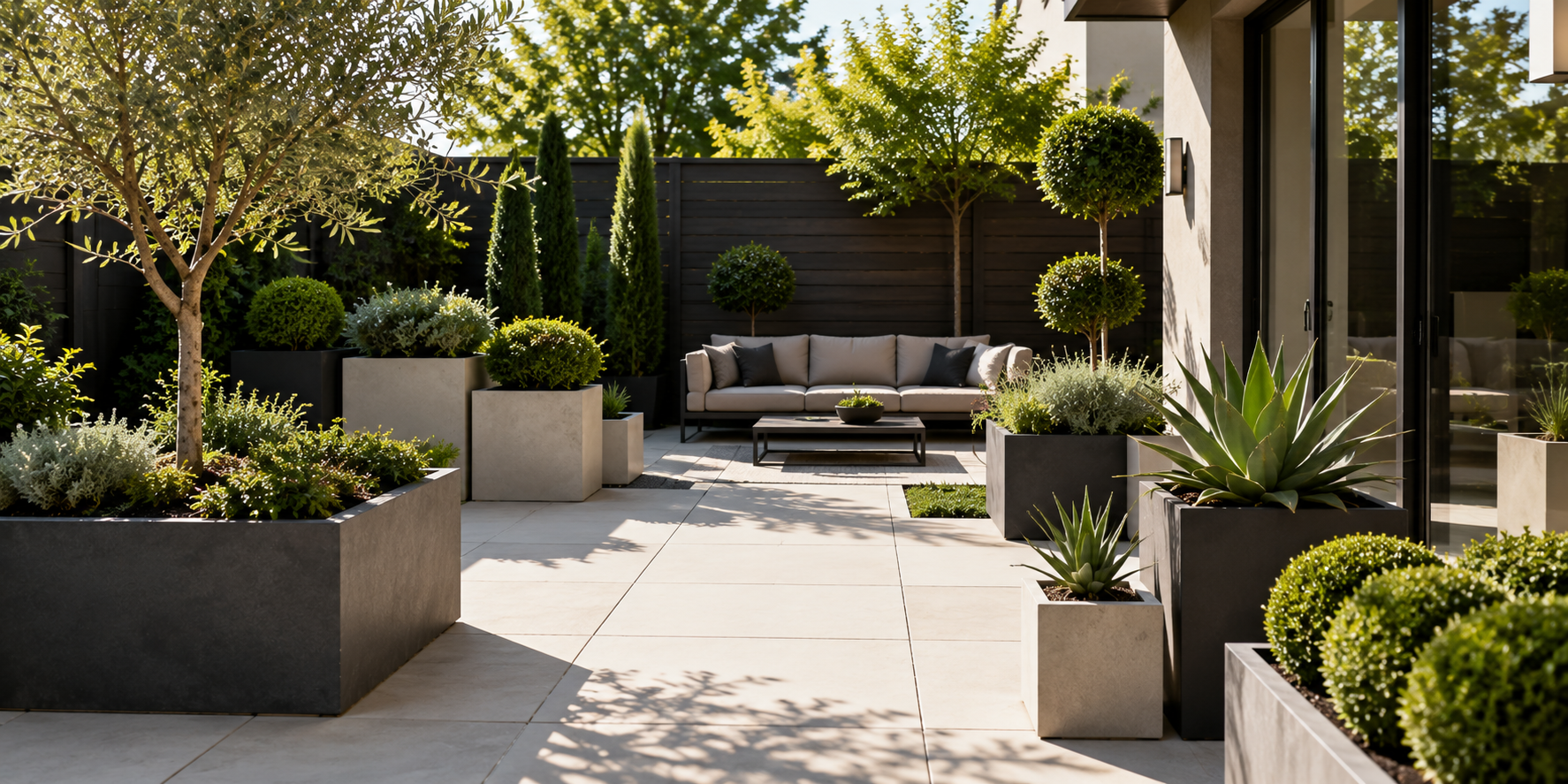
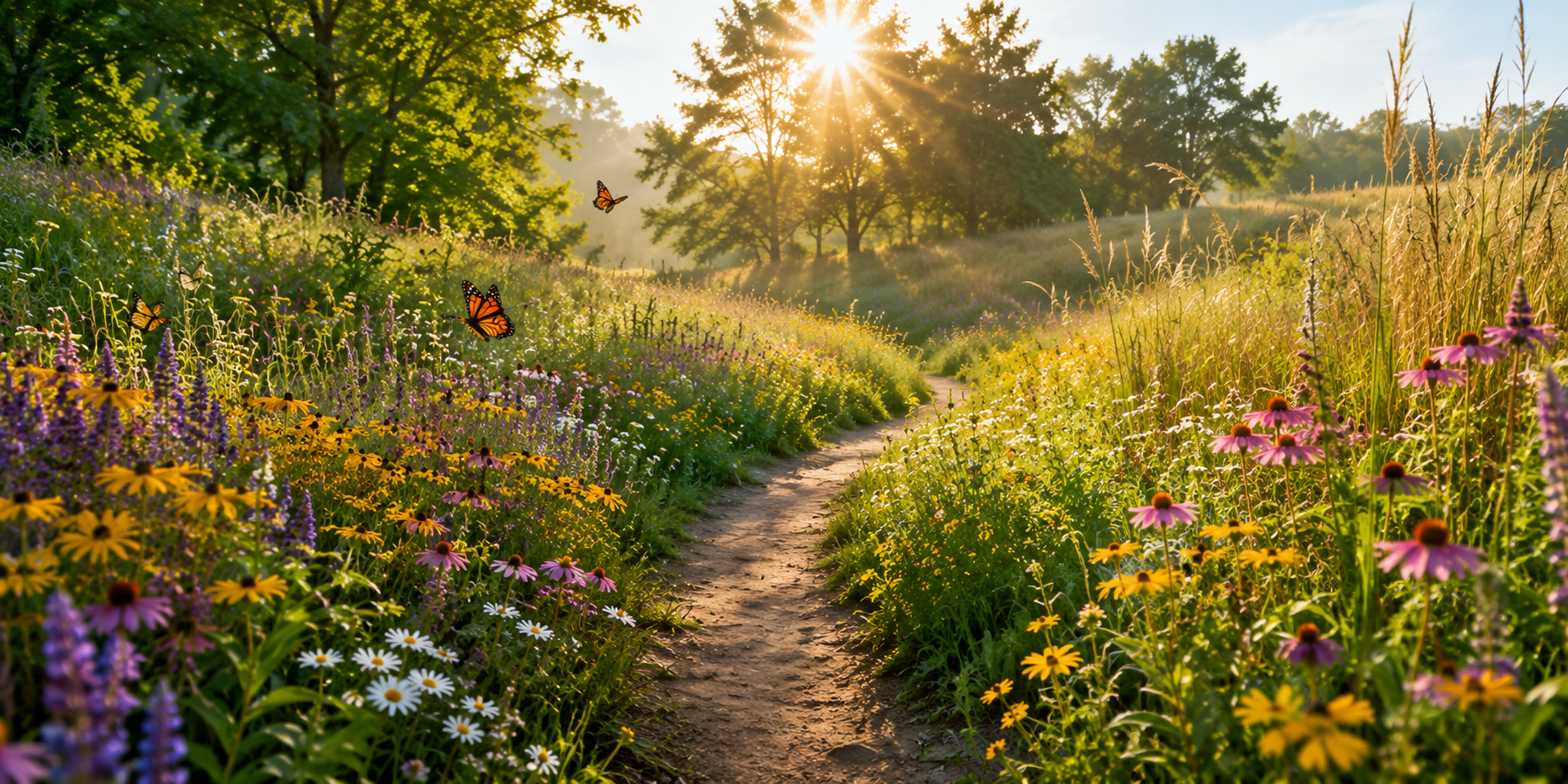
There’s a growing love for rewilded gardens — landscapes that celebrate spontaneity. A wildflower meadow transforms dull lawn areas into living ecosystems buzzing with color and life.
Plant native wildflowers that thrive in your local climate. They require less maintenance and attract pollinators. Add ornamental grasses to introduce movement and a natural rhythm when the wind passes through. Keep pathways mown through the meadow to create visual structure — a beautiful contrast between order and wildness.
Garden art personalizes your landscape. Whether you love minimal steel forms or whimsical ceramics, sculptures act as punctuation marks in nature’s sentence. Position them strategically — at path intersections, near water, or framed by hedges. Choose materials that weather gracefully, like stone or bronze, so they evolve with the garden. Garden art brings narrative and identity — a reflection of your personality that grounds the space emotionally.

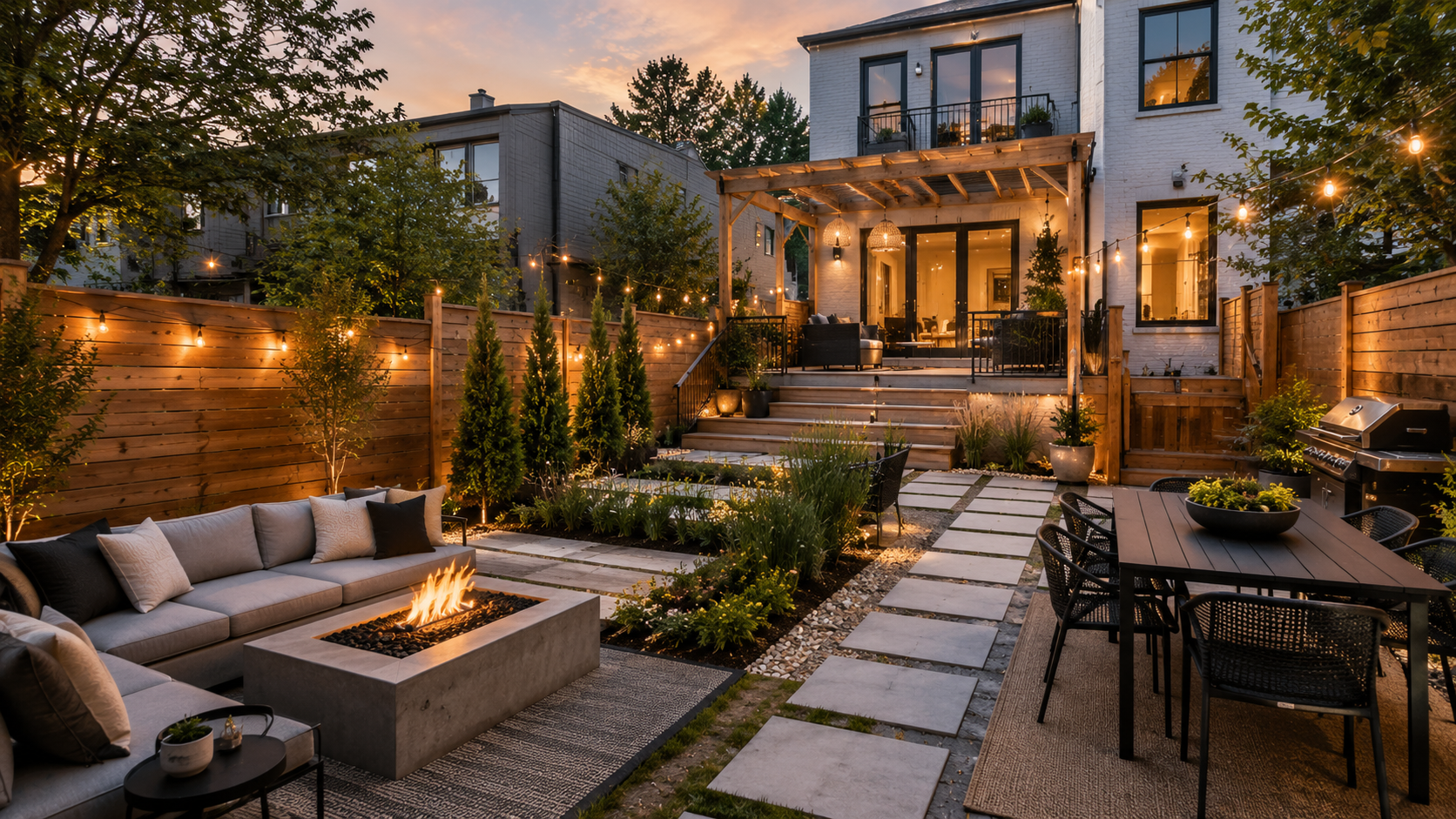
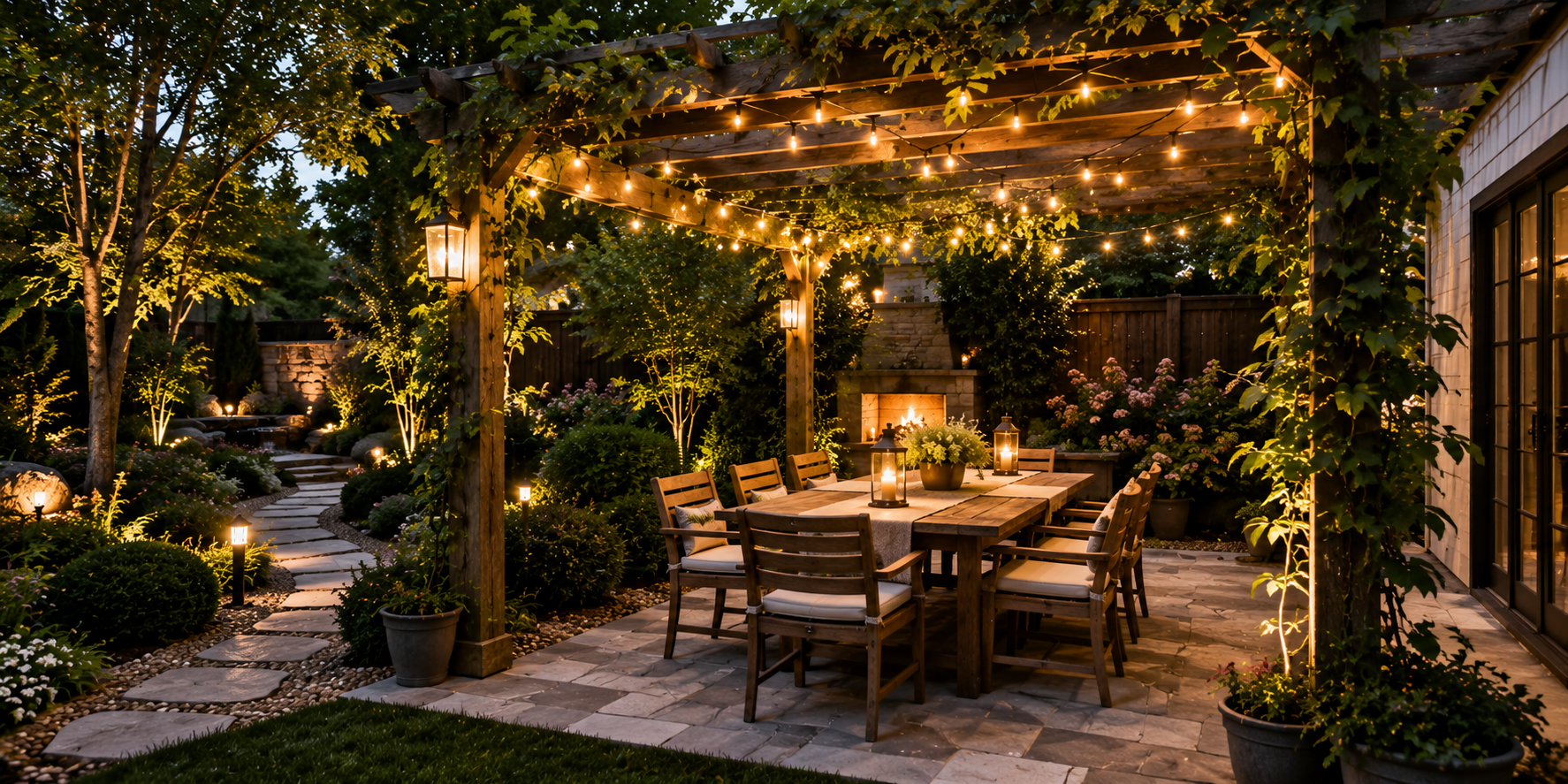
Transform your garden into a lifestyle. A dedicated dining zone invites you to live outdoors — morning coffee in sunlight, evening dinners under stars. Use pergolas or canopies for shade and define the area with string lights or pendant fixtures. Add planters along the edges for intimacy and color. Choose weather-resistant materials like teak, stone, or powder-coated metal. The dining area becomes an experience — a bridge between architecture and landscape, where food and nature merge.
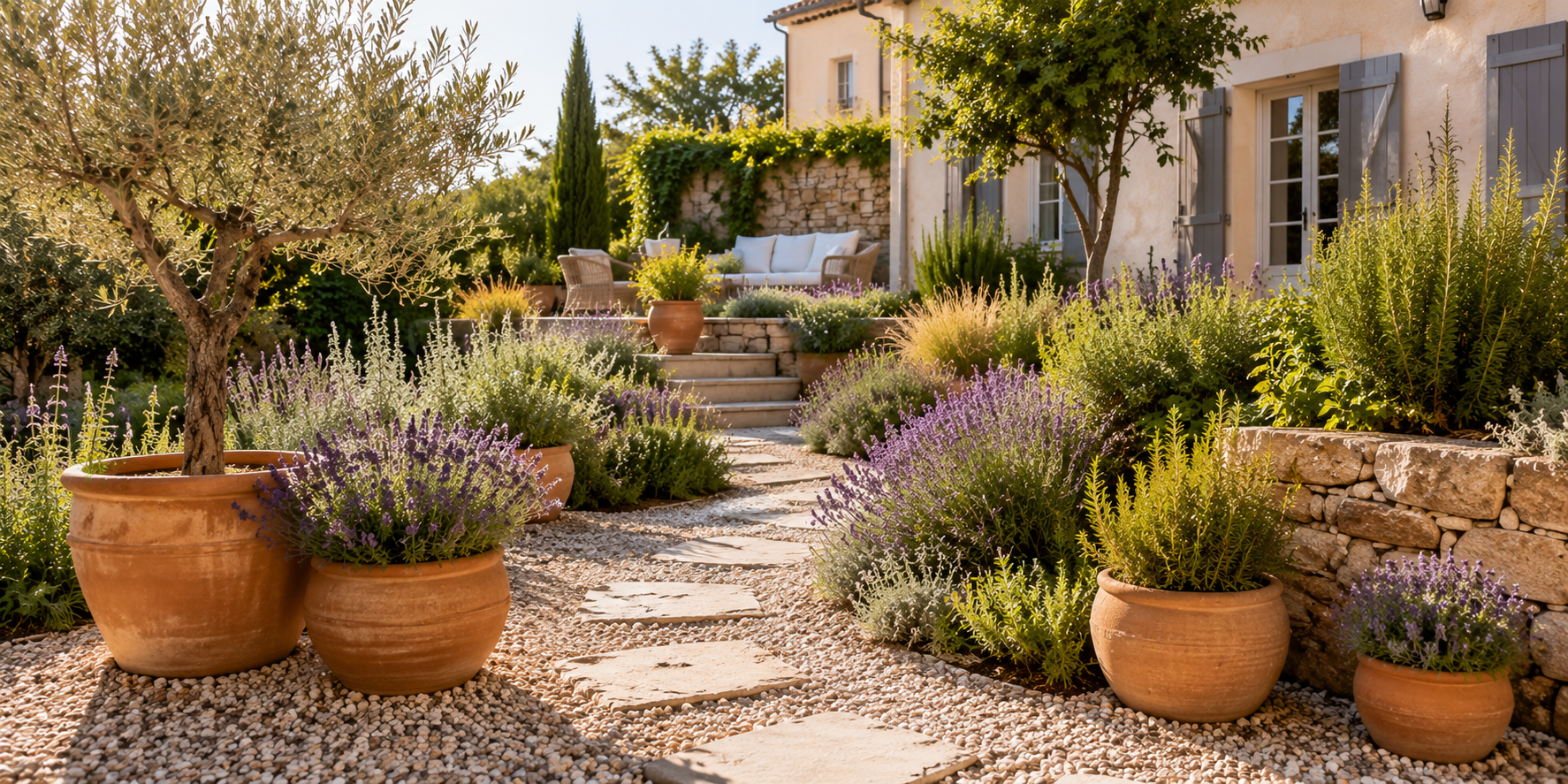
As climate-conscious design grows, gravel gardens are making a comeback. Low-water, low-maintenance, and texturally rich, they suit both Mediterranean and modern styles. Combine drought-tolerant plants like sage, sedum, and lavender with crushed stone mulch. The gravel stabilizes soil temperature and suppresses weeds while allowing natural drainage. Accentuate the surface with contrasting stone colors or larger rocks for sculptural variety. The look is clean, tactile, and enduring — perfect for sustainable outdoor living.
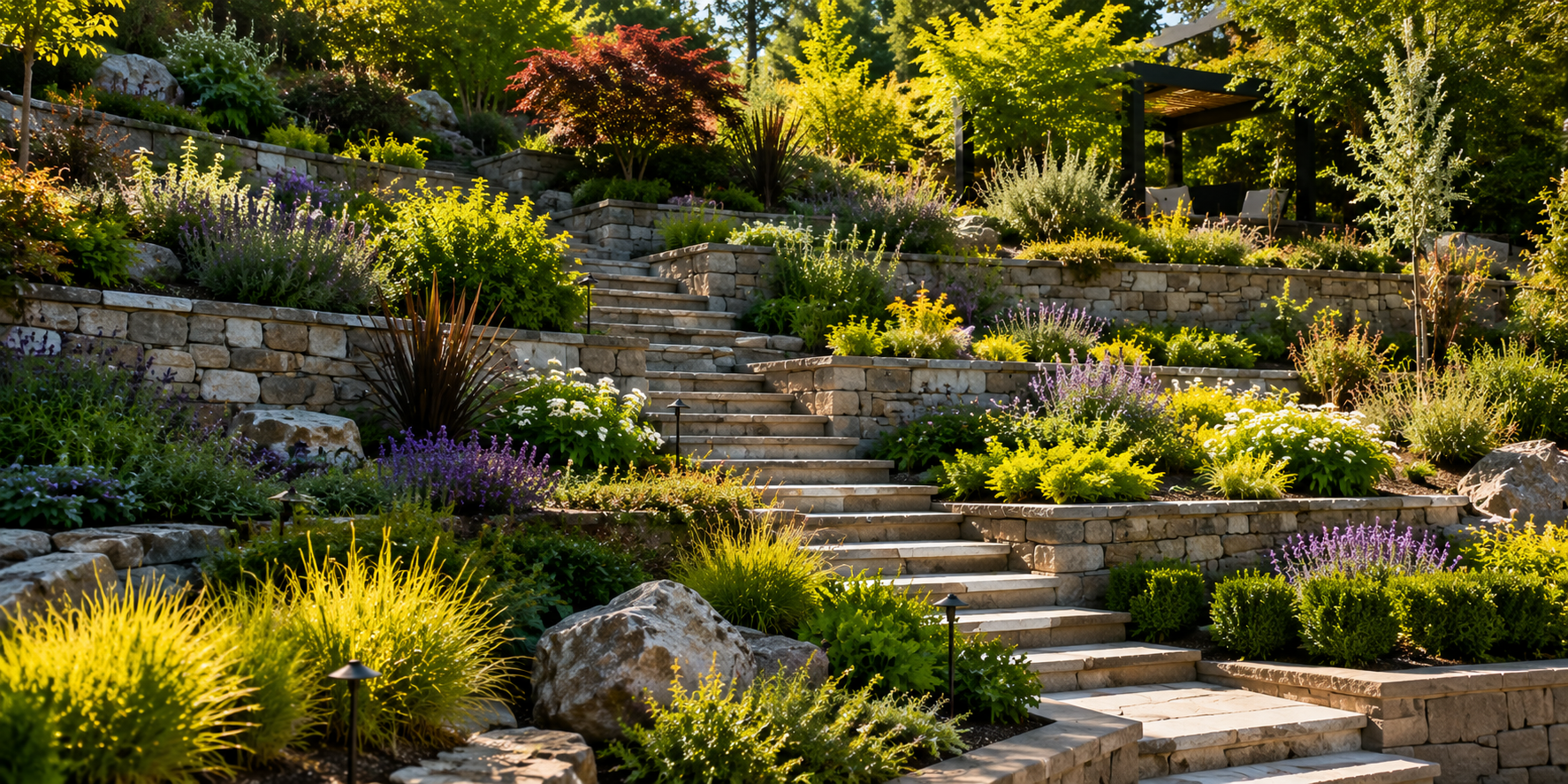
Sloped yards can feel challenging — until you think vertically. Terraced gardens turn uneven terrain into layered beauty. Use retaining walls of stone, brick, or timber to define levels. Each terrace can serve a unique function — dining on one level, planting on another, and lounging at the top.
Add steps and lighting for safe movement between levels. The tiered design not only prevents erosion but also enhances depth, giving your garden an architectural, sculptural quality.
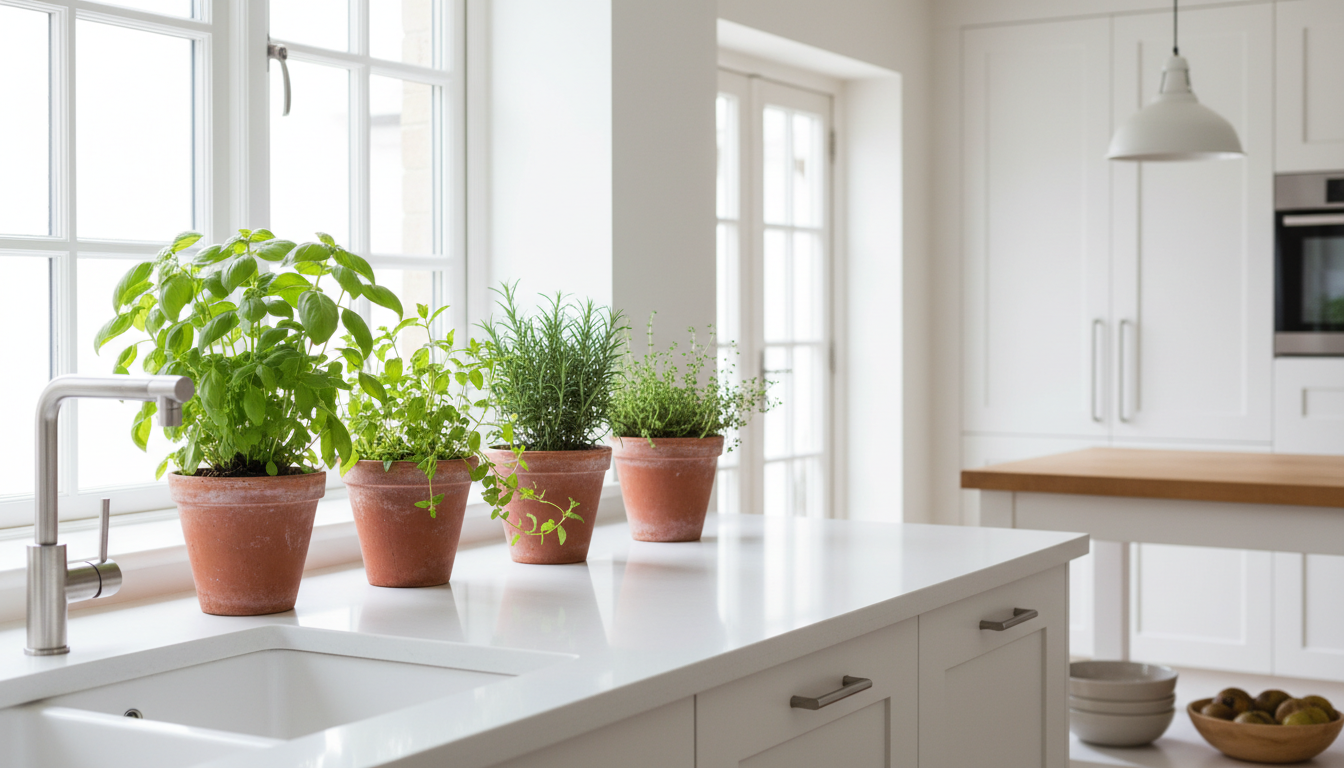
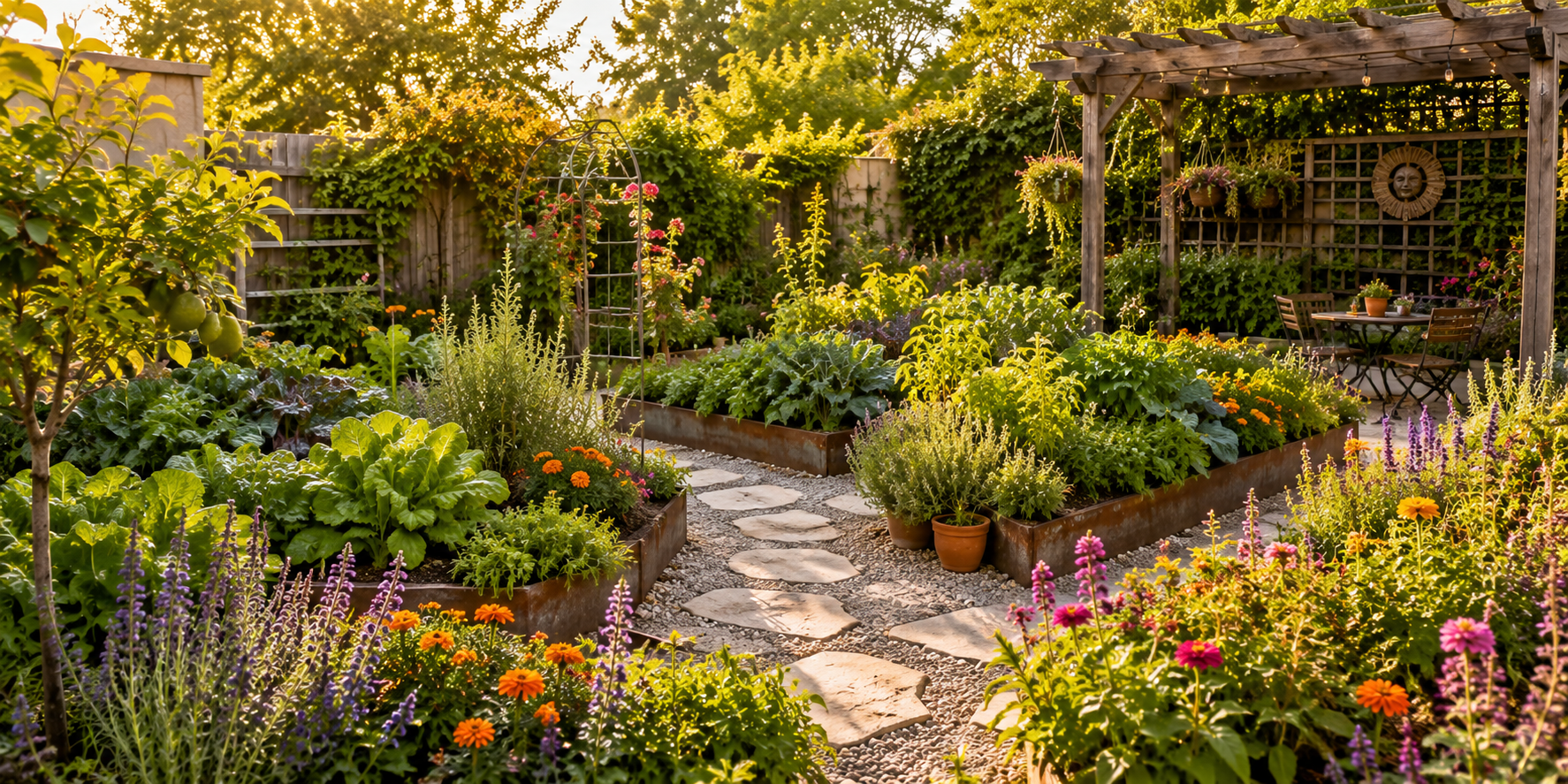
Why separate beauty from function? Edible landscaping merges the two seamlessly. Grow herbs along pathways for fragrance, plant berry bushes beside ornamental shrubs, and let climbing vines double as edible decor. Leafy greens, peppers, and even small fruit trees can blend beautifully with flowers. Use repetition and symmetry to keep it elegant — rows of lavender beside basil, or thyme spilling from stone planters. It’s the future of sustainable design: delicious, fragrant, and beautiful.
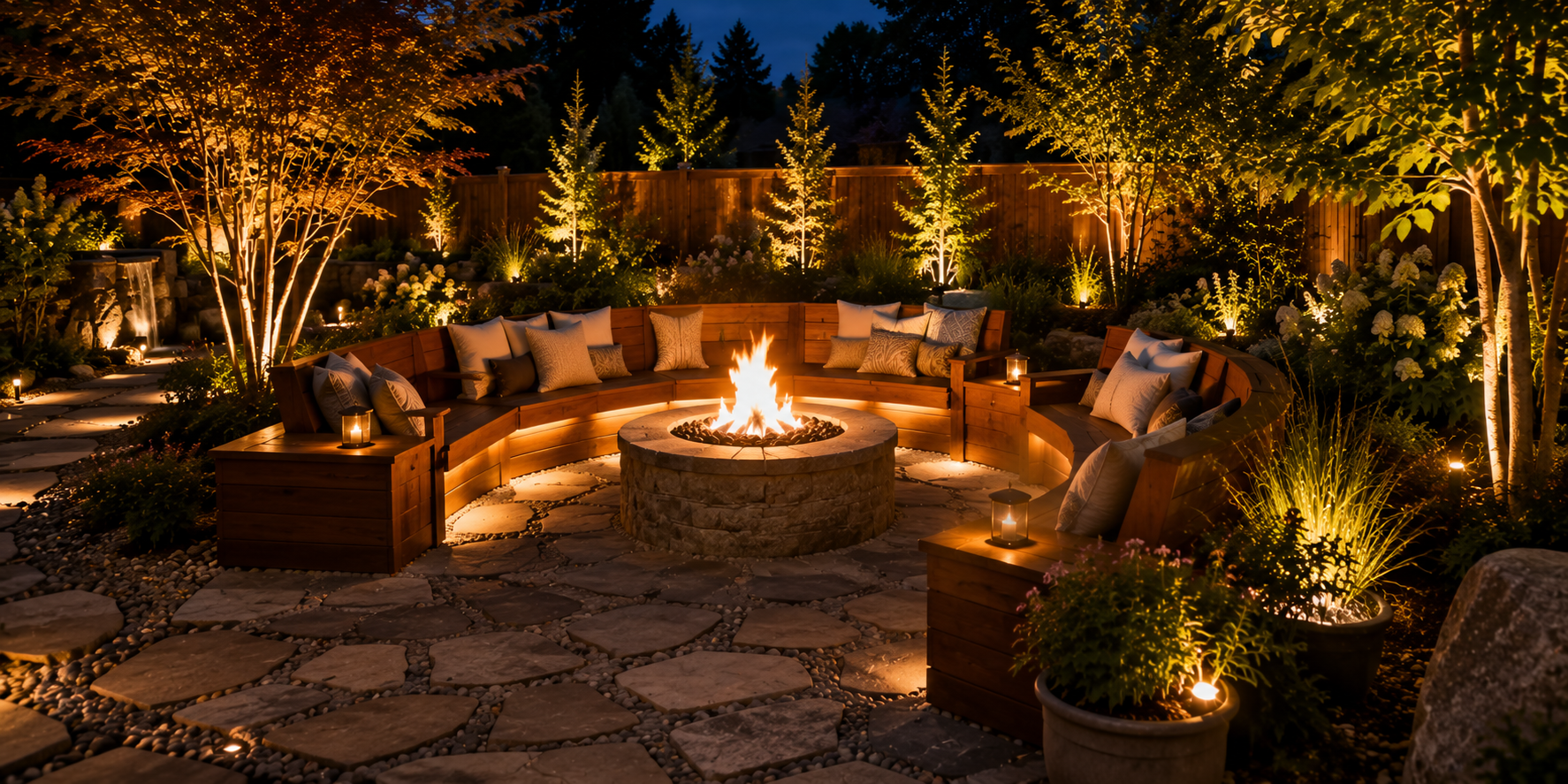
As the sun sets, few things rival the allure of fire. Fire pits, bowls, or outdoor fireplaces create focal points for gathering, adding warmth and intimacy. In modern designs, smooth concrete or steel fire bowls feel sculptural. For rustic appeal, try stone pits surrounded by built-in seating.
Flames add drama against evening shadows — an elemental dance that complements water and greenery, turning your garden into a year-round retreat.
Crafting Living Art in Your Backyard. A garden is never just a patch of land — it’s a living artwork, evolving with every season. The best landscapes blend structure with spontaneity, modernity with nature, and design with soul. From layered planting to firelit evenings, these 17 cool garden ideas prove that creativity thrives outdoors. It’s about creating emotion through texture, light, and form — spaces that invite connection, not just admiration. Every plant you grow, every stone you place, and every light you position adds to a larger composition — one that tells your story through living design.
G2G Team
06-10-2026
Let’s Build
Contact us todayGet daily tips and tricks for making your best home.
2025 Green to Gorgeous