Have you ever stood in your bathroom and thought, “There has to be a better way to organize this space”? You’re not alone. Bathrooms are one of the hardest rooms to keep neat, yet they hold some of the greatest opportunities for clever storage — especially through alcoves. Bathroom alcoves transform dead wall space into something beautiful and useful. Whether you’re dealing with a compact ensuite or a sprawling master bath, a well-designed alcove can hold your essentials, add character, and make your space feel custom-built.
In this guide, you’ll find 17 detailed bathroom alcove ideas that go beyond surface-level design. Each idea combines function, craftsmanship, and creativity to help you turn simple recesses into personalized storage zones. From tiled shower niches to rustic wood cubbies, get ready to discover how these clever details can completely redefine your bathroom’s atmosphere.
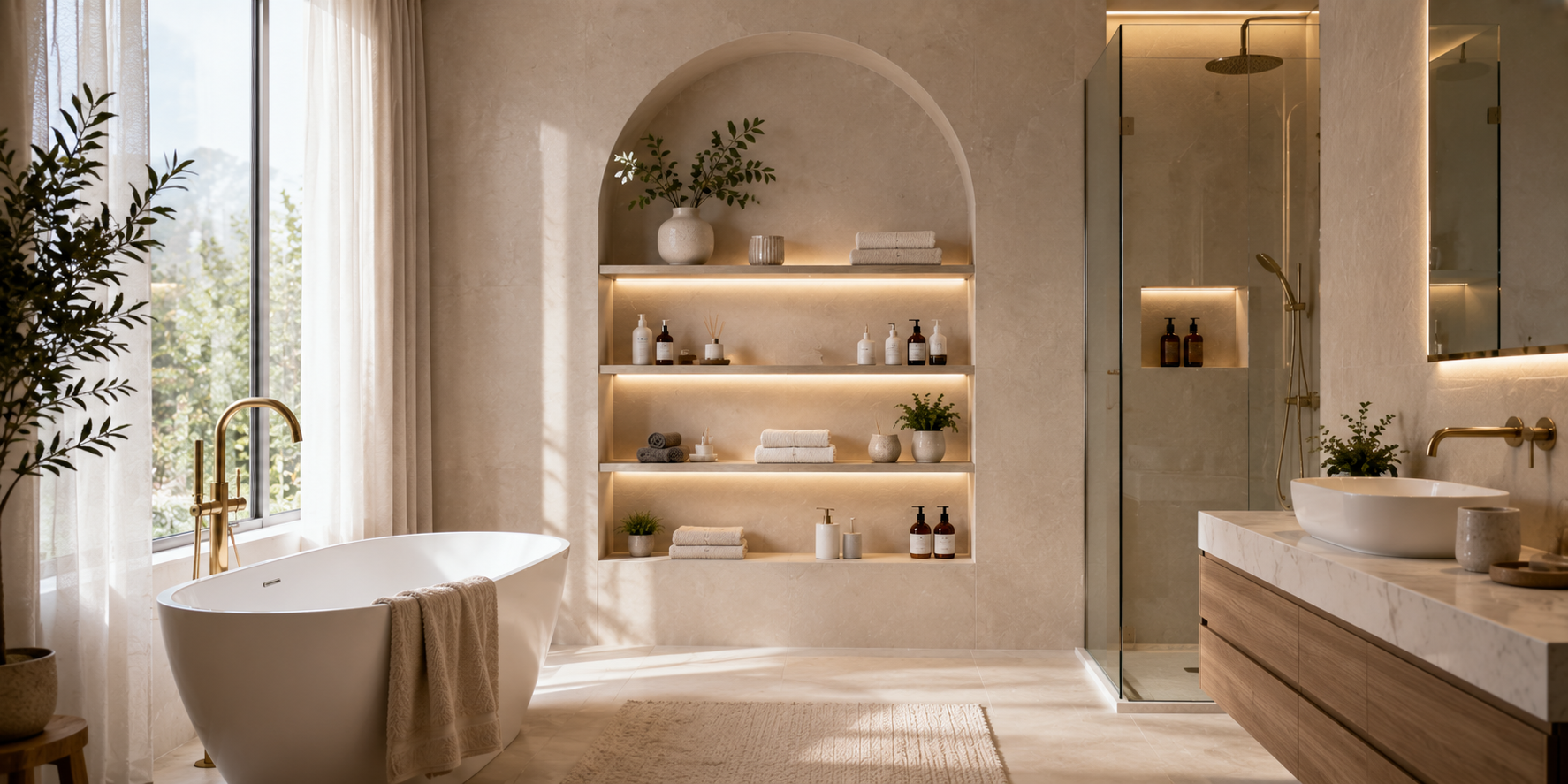
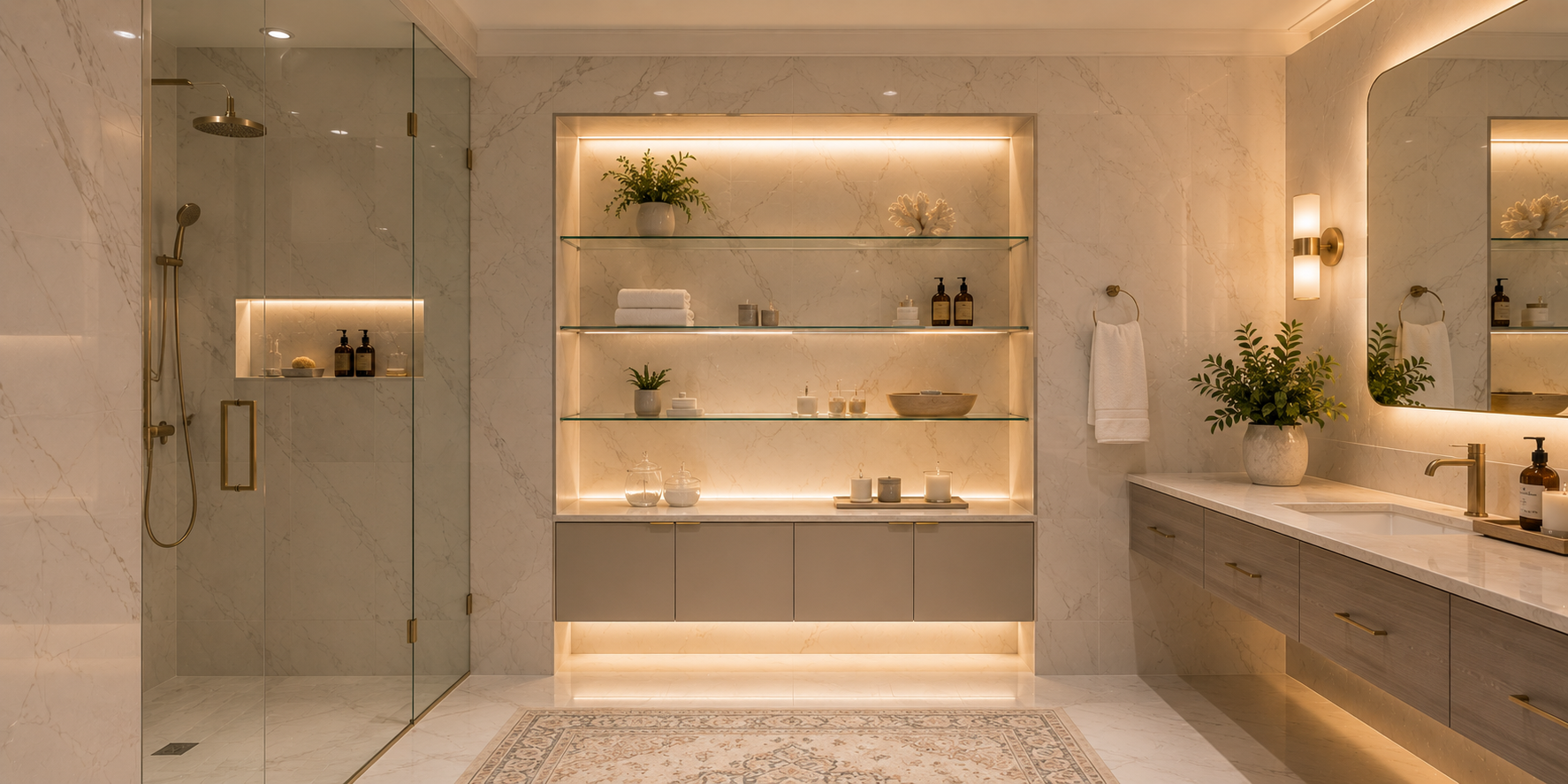
For homeowners who crave clean lines and a clutter-free finish, built-in shelving with glass doors is the perfect solution. The transparent surface adds dimension to the room while keeping your toiletries neatly tucked away. Opt for tempered glass doors framed in matte black or brushed nickel to create contrast with lighter wall tones. Inside the alcove, adjustable glass shelves allow flexible storage — from folded towels to perfume bottles.
To enhance the modern vibe, install LED strips or downlights inside the alcove. The lighting bounces beautifully through the glass, creating a luxurious spa glow even in small bathrooms. For moisture-prone areas, make sure the glass doors are fitted with a tight seal to prevent fogging. This idea works particularly well behind a freestanding bathtub or beside a vanity wall, where it acts as both display and storage.
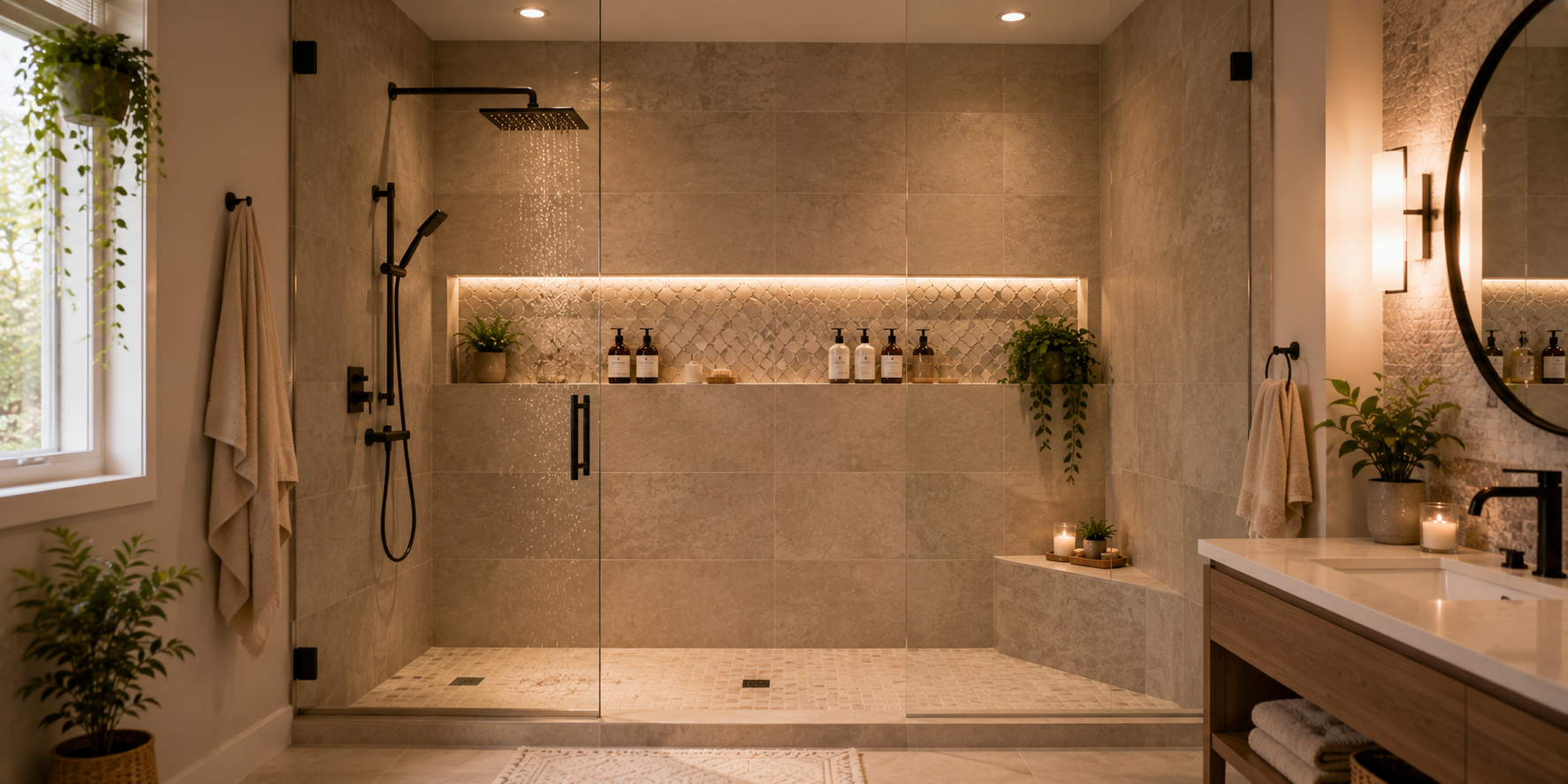
A shower niche is one of the most popular and practical bathroom alcove ideas — and for good reason. Instead of cluttering your shower ledge with bottles, a recessed niche keeps everything organized and visually balanced. For a timeless design, line your niche with the same tile used throughout the shower walls. This creates a seamless effect that blends in naturally. For more visual interest, choose contrasting tile patterns or accent mosaics inside the recess.
If you’re renovating, plan your niche height carefully — typically, 36 to 42 inches from the floor provides comfortable reach. For double showers, consider stacking two vertical niches or one long horizontal recess to share between users.Seal all edges with proper waterproofing and use a slightly sloped base tile so water drains easily. It’s a simple detail that adds both convenience and longevity.
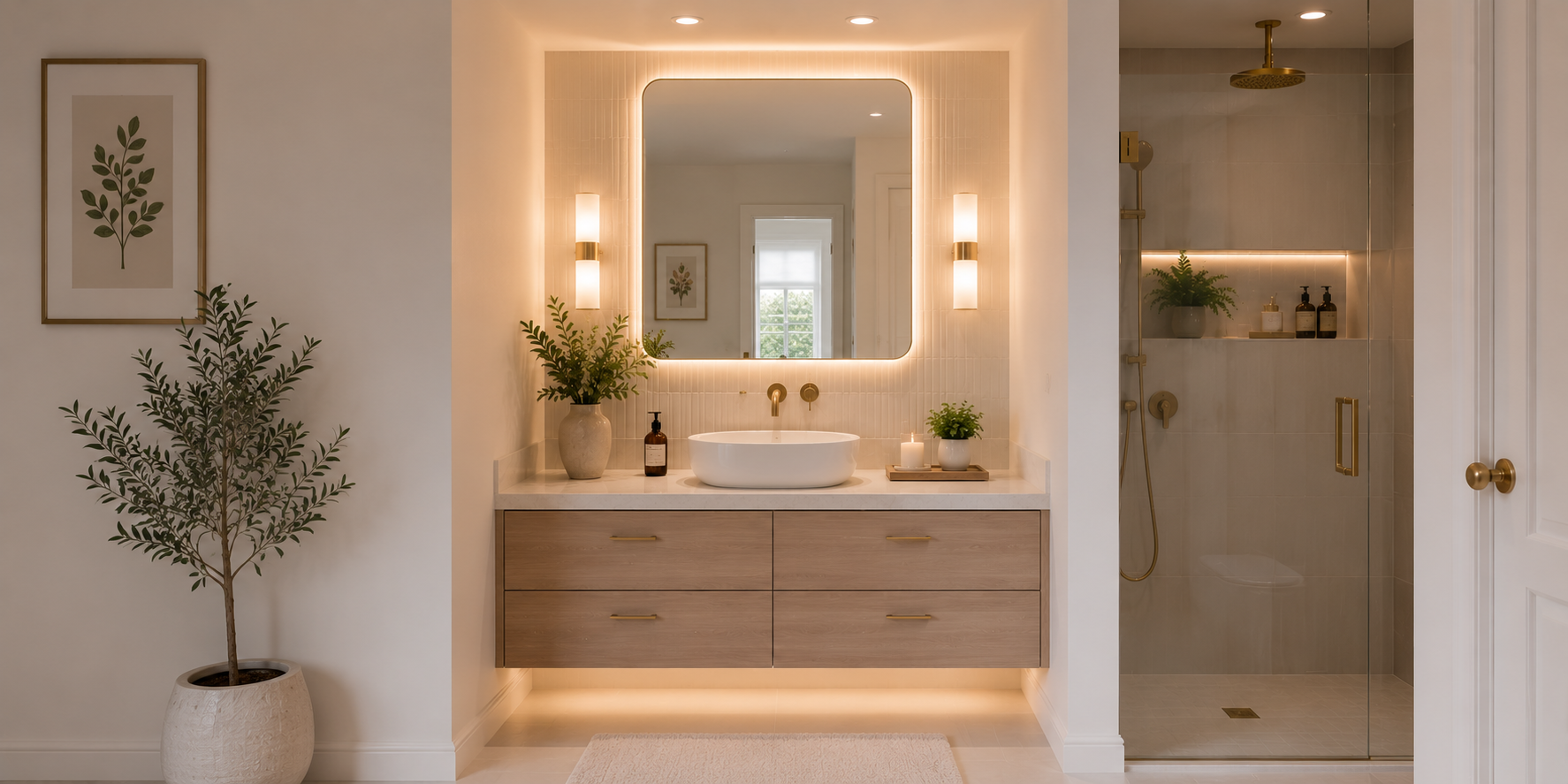
In smaller bathrooms, where every square inch matters, an alcove vanity can work wonders. By setting your vanity between two walls, you effectively create a framed, built-in feel that maximizes vertical and horizontal space. Install drawers below the sink and open shelving above for a balanced combination of hidden and open storage. Mirrors with integrated lighting can replace bulky wall sconces, and floating vanities further enhance floor visibility, making the room appear larger.
Consider materials like quartz, marble, or composite stone for the countertop. They resist moisture and maintain a luxurious finish. For cabinetry, choose moisture-sealed MDF or natural oak veneer for durability with style. You can even design a recessed alcove mirror cabinet above the vanity to store toiletries, creating a full “storage wall” effect in minimal space.
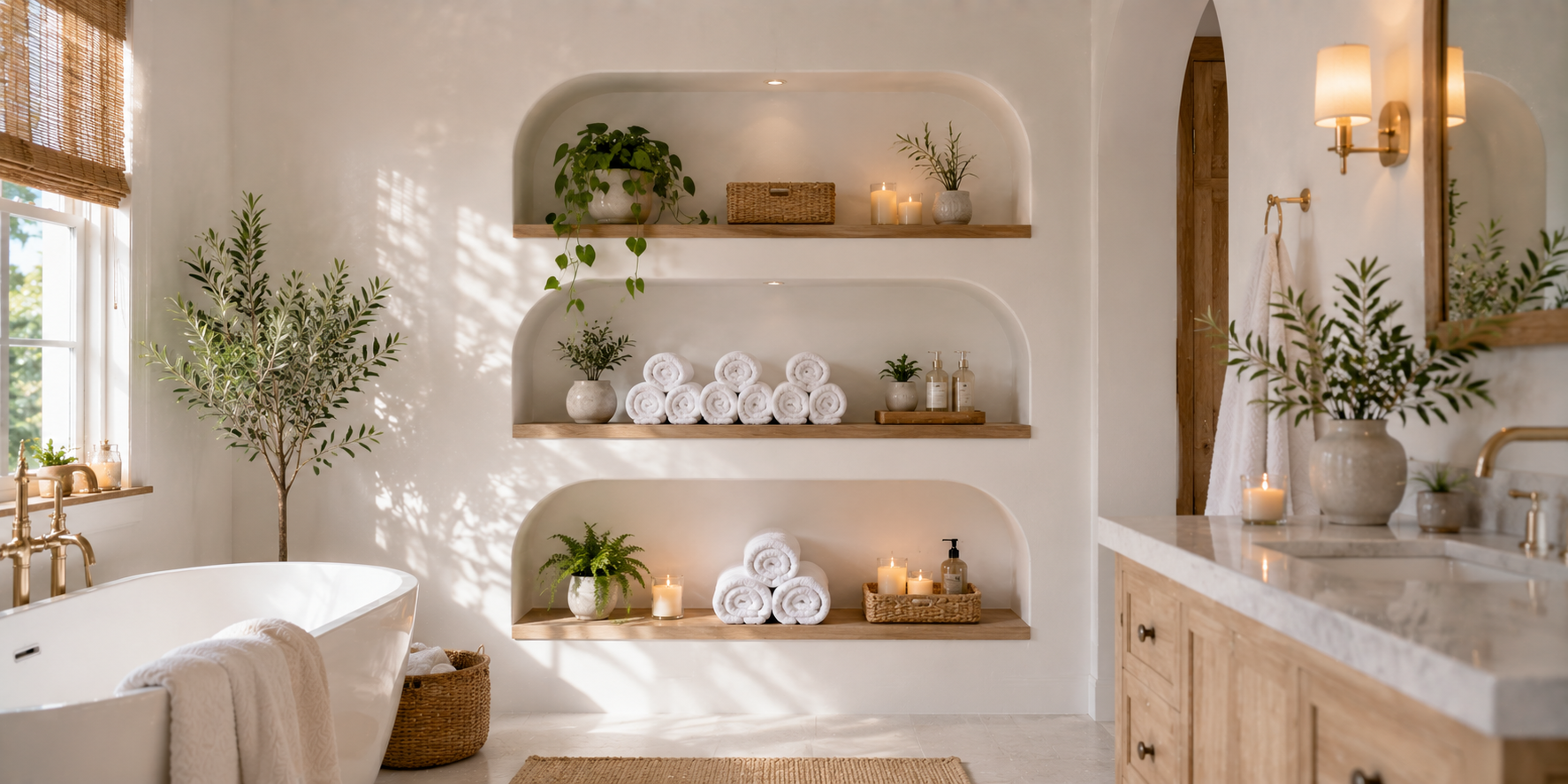
If you prefer simplicity, floating alcove shelves create the illusion of more space while keeping everything accessible. They fit beautifully in narrow areas like beside a shower or between window frames. Go for light wood finishes such as ash or oak for a Scandinavian vibe, or polished glass for a more contemporary tone. Three evenly spaced shelves typically offer enough room for towels, jars, and decor without overcrowding the wall.
The key is to keep the display balanced — pair functional items with decorative touches like candles or greenery. The “open-air” structure helps small bathrooms breathe, giving them a relaxed, minimalist appeal.
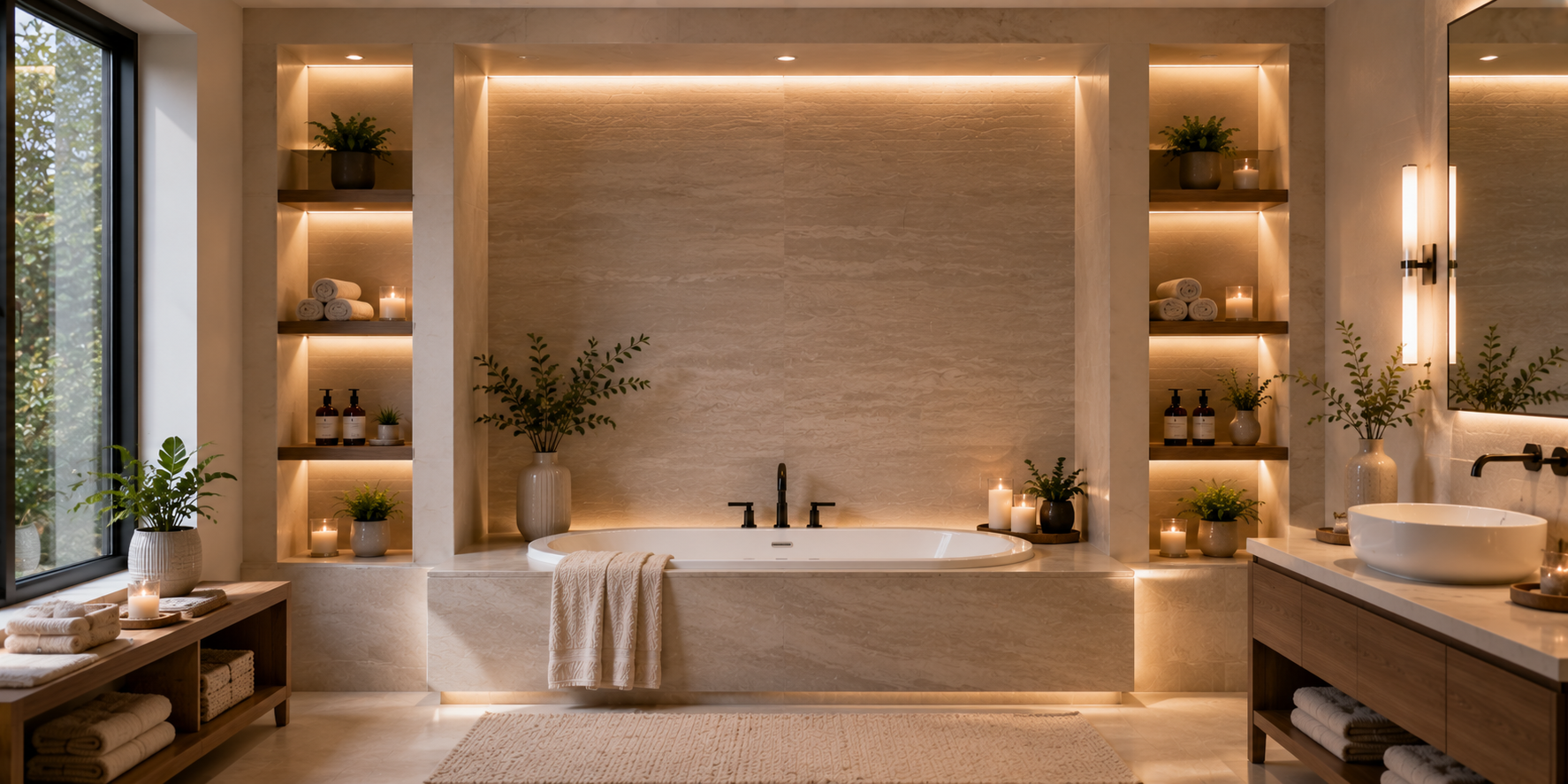
A bathtub alcove offers comfort and efficiency in one design move. Surrounding your tub with recessed shelving transforms it into a luxurious focal point. Install shelves along the back or sides of the tub, using waterproof materials like porcelain tiles, quartz panels, or marine-grade wood. You can store bath salts, essential oils, or rolled towels within reach — no more stepping out mid-bath.
Soft underlighting beneath the shelves elevates the spa ambiance. For an even more indulgent effect, add a wall niche above the tub with accent lighting and a single vase or art piece to create depth and sophistication.
Nothing beats the cleverness of a mirror that doubles as a cabinet. This design hides clutter while keeping daily-use products accessible. By embedding the cabinet within the wall cavity, you gain storage without protruding bulk. Frameless designs look especially sleek and amplify reflected light. For a tech-savvy touch, some homeowners install anti-fog mirrors with built-in lighting or charging ports — blending functionality with innovation. Keep in mind that this idea works best above vanities or beside shower entrances, where quick access to essentials is key. The seamless integration makes even small bathrooms feel high-end and clutter-free.
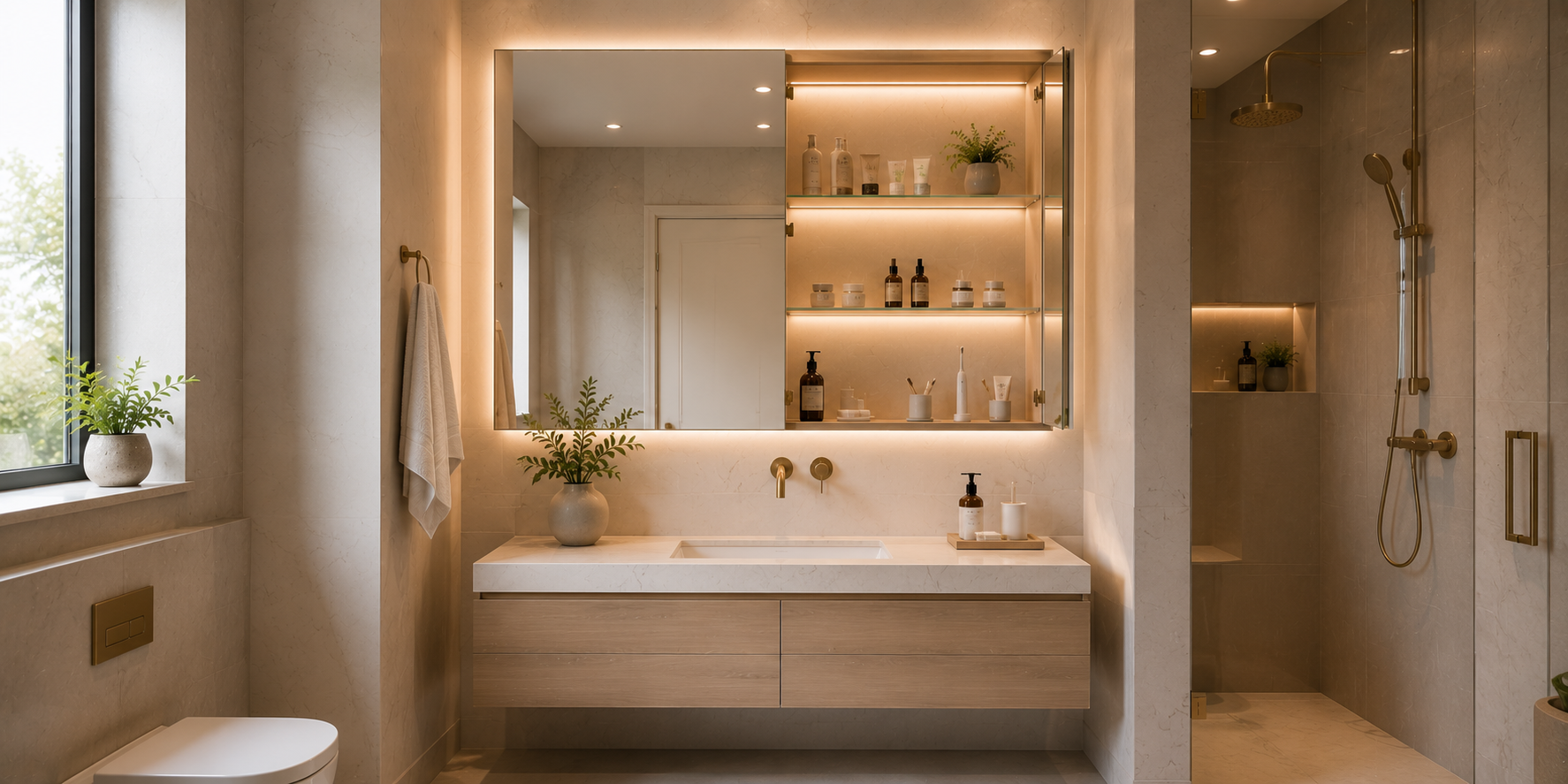
When you want your bathroom to feel inviting and organic, wooden alcoves bring natural warmth. Reclaimed timber, bamboo, or teak adds texture and coziness, contrasting beautifully with cool tiles. For a cottage-inspired aesthetic, install floating wooden planks inside the recess and layer them with woven baskets or handmade pottery. Pair with matte black fixtures or brass accents for depth and balance.
To protect the wood from moisture, use marine-grade sealant or polyurethane finish. This style works particularly well in rustic, boho, or spa-themed bathrooms that emphasize raw, earthy charm.
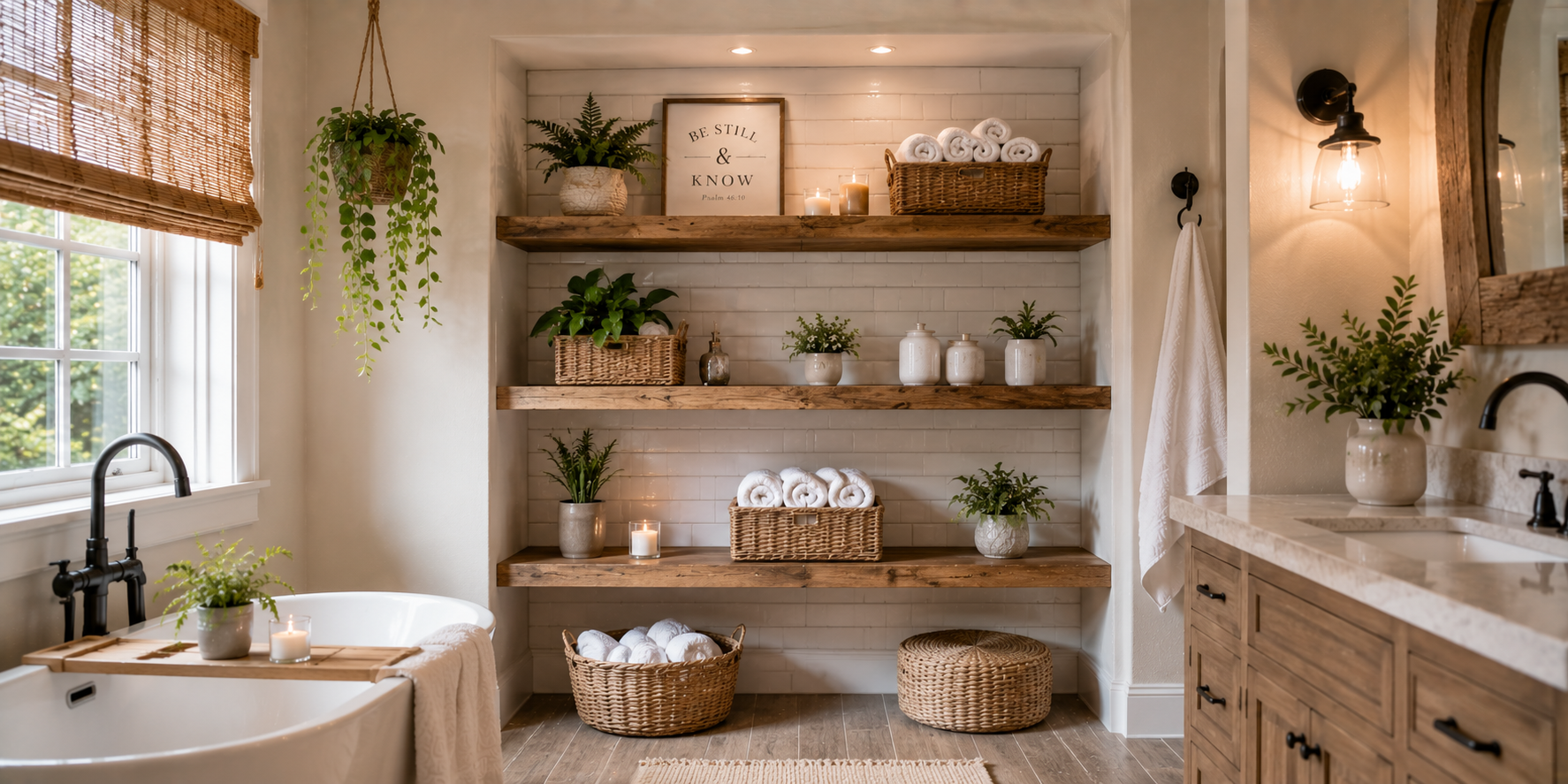
Tiles can completely transform an alcove from purely practical to artistic. A tiled recess adds color, texture, and depth, acting as a visual feature within the bathroom. For boldness, use Moroccan patterns, glossy subway tiles, or geometric mosaics that contrast the main wall. For subtle elegance, go for neutral stone-look porcelain or pastel tones that complement the overall palette. Add integrated lighting to highlight the textures at night — the reflections will sparkle beautifully. Tiled alcoves pair well with both modern and vintage bathrooms, creating a timeless look that never feels outdated.
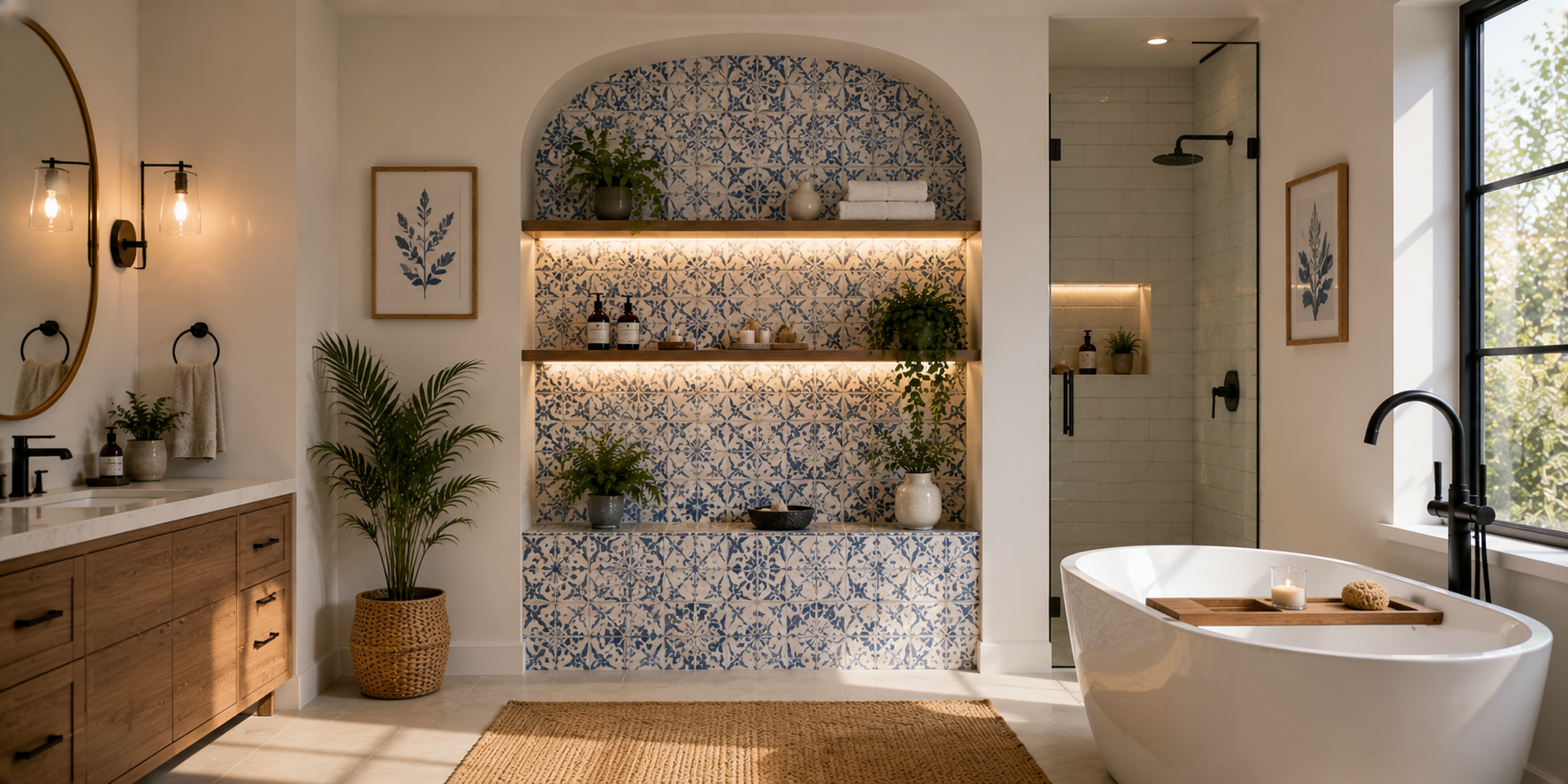
Corners often go unused, but a corner alcove can become your best friend in tight spaces. Build triangular or curved shelves to fit neatly into awkward areas beside the shower or vanity. Vertical corner alcoves can hold stacked towels, while shorter ones work well for decorative displays. To create cohesion, use the same materials as your vanity or flooring.
For a bold twist, install mirrored backing inside the alcove — this reflects light and visually enlarges the space. Corner alcoves prove that even the most overlooked angles can be turned into stylish, functional features.
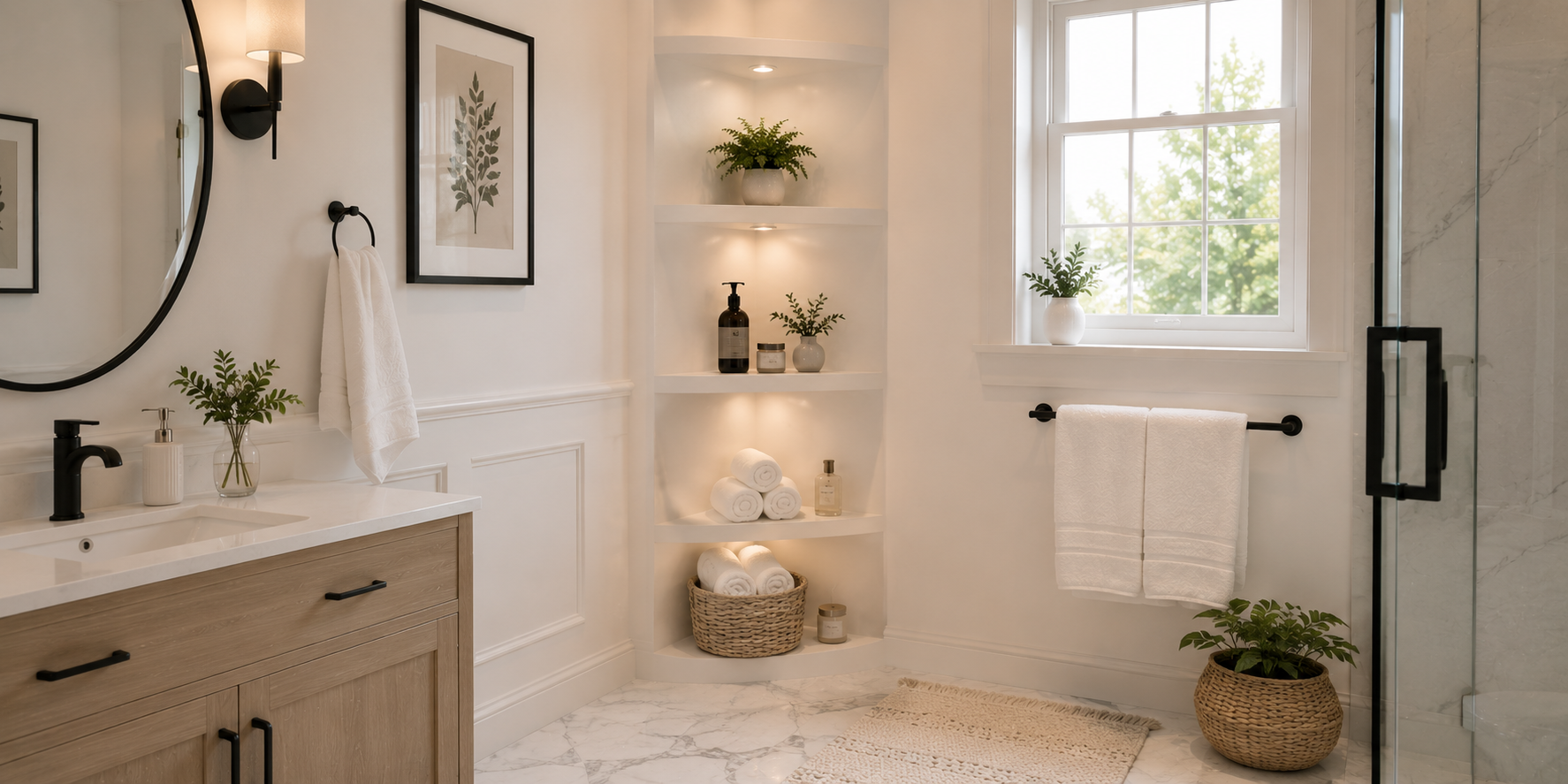
Don’t underestimate the wall space above your toilet — it’s a perfect spot for a recessed alcove. Install shelves or cubbies to store toiletries, scented candles, or folded linens. Frame the alcove with slim trim or contrasting tile for a polished finish. For extra style, line the back panel with beadboard, marble, or wallpaper to make it pop. This type of alcove works particularly well in powder rooms or narrow guest baths where cabinetry might feel bulky. It’s a small adjustment that adds valuable vertical storage while keeping your bathroom elegant and open.
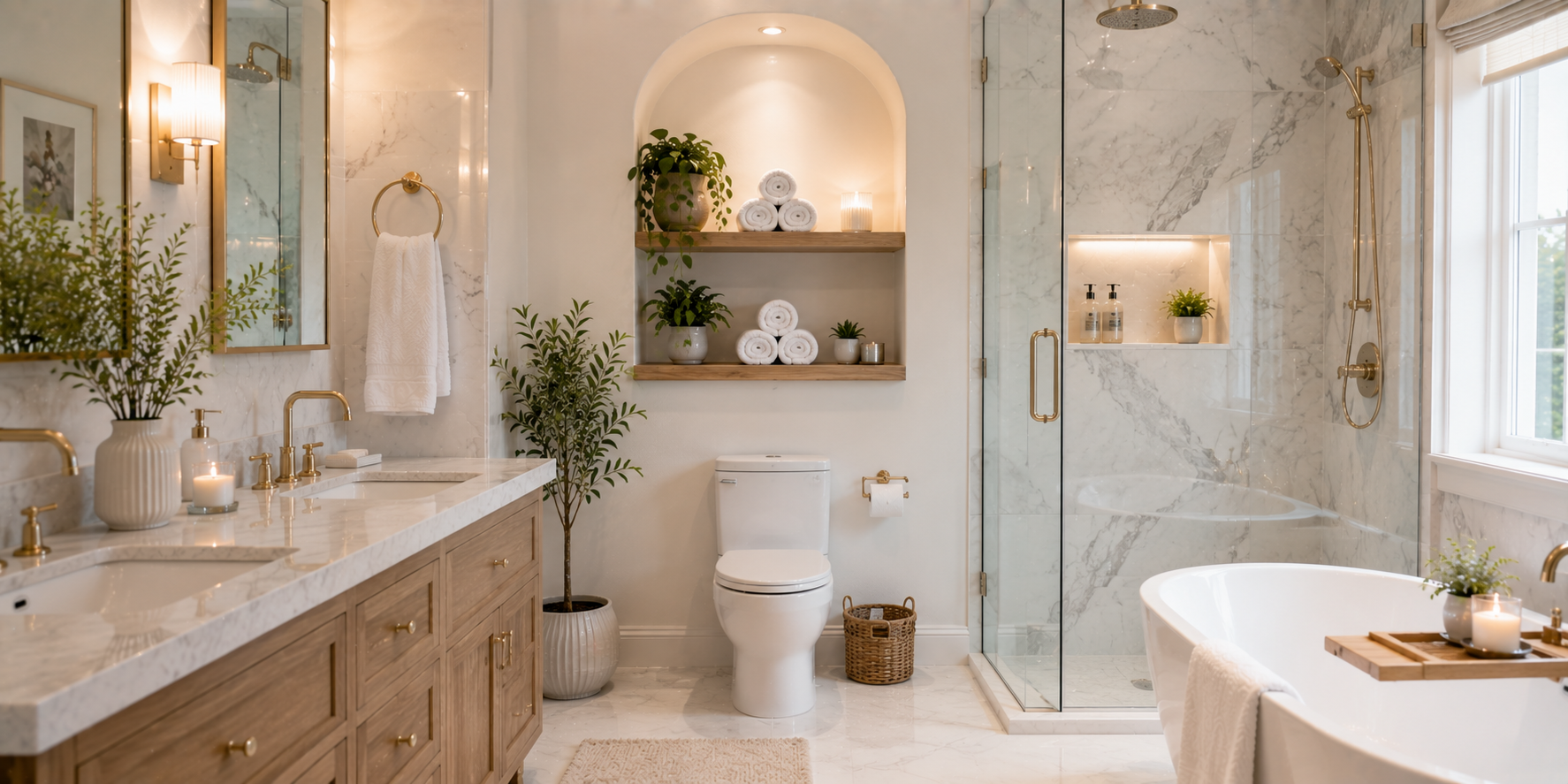
Lighting can completely change how an alcove feels. A well-lit recess adds a soft, calming glow that enhances relaxation and sophistication. Install warm white LED strips behind shelving or along edges for ambient light. For modern bathrooms, go for cool tones with smart dimming features. Combine with candles or diffusers for full spa effect. Strategic lighting also helps highlight décor elements — such as ceramic jars, glass bottles, or art — turning everyday storage into elegant display zones.
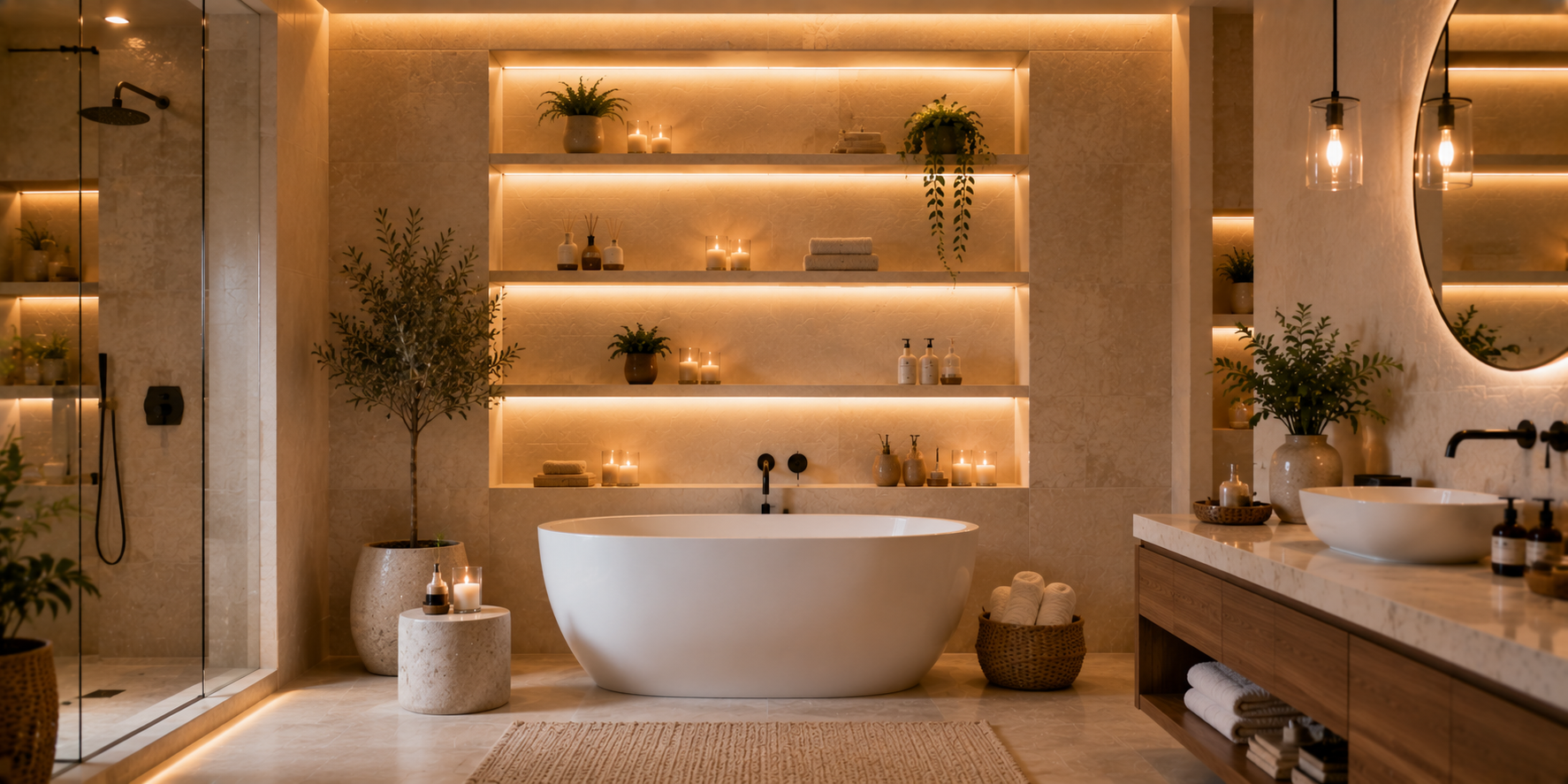
An alcove bench offers comfort and convenience. Positioned near a shower or under a window, it provides seating while discreetly storing essentials underneath. You can opt for drawers, lift-up seats, or baskets hidden below the cushion. For a seamless design, continue your wall tile or wood panel across the front of the bench. Top it with upholstered waterproof cushions in muted fabrics or faux leather. It’s ideal for households that value both aesthetics and functionality — especially when kids’ bath toys or extra towels need stowing away.
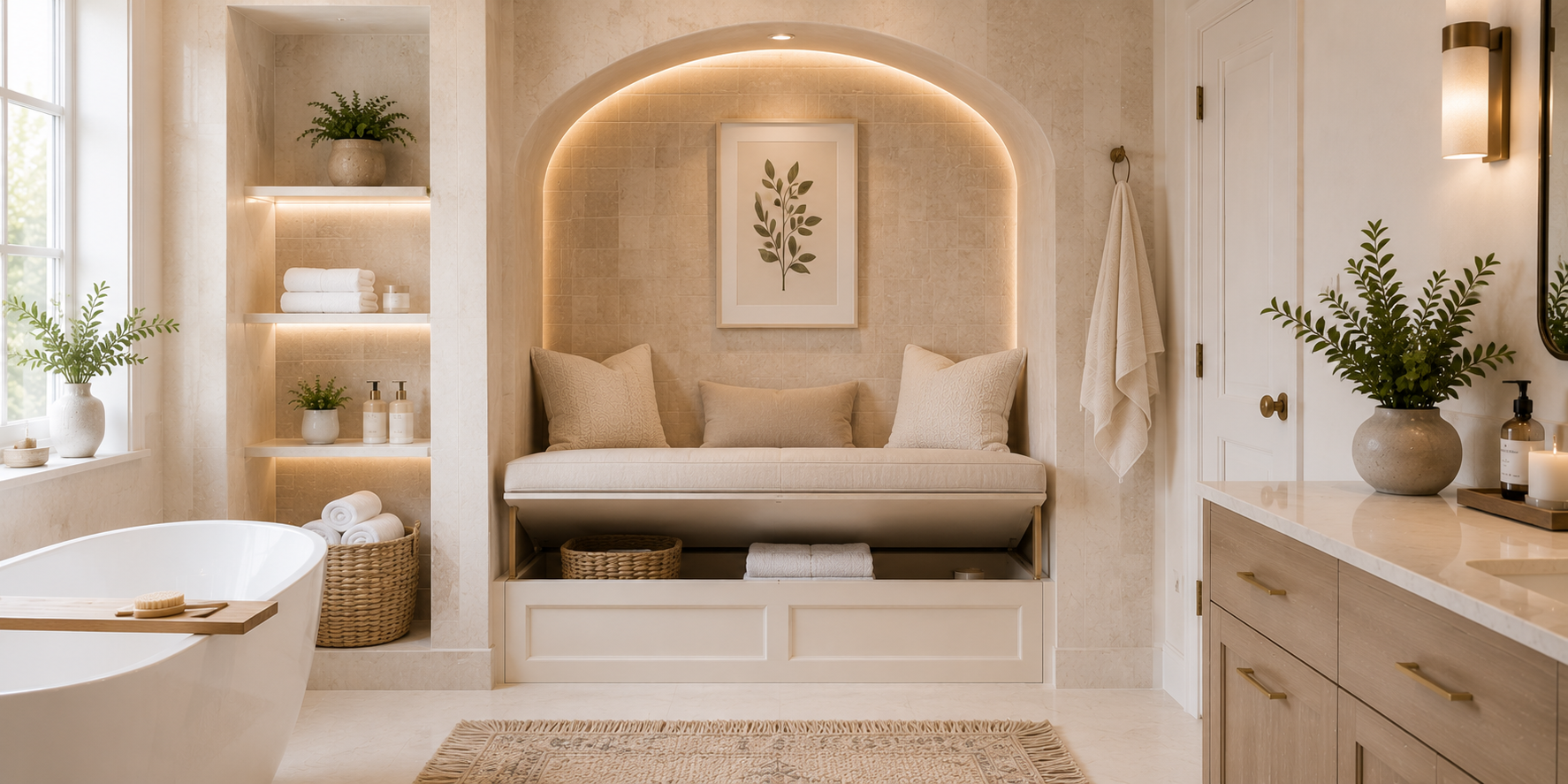
Bathrooms deserve personality, too. A decorative alcove can function like a mini gallery or botanical display. Add framed prints, ceramic vases, or indoor plants like pothos and peace lilies that thrive in humidity. The greenery brings freshness, while art provides visual depth. For a modern effect, spotlight the area with a small recessed light or LED puck to emphasize textures and color contrast. This type of alcove turns your bathroom from merely functional into a thoughtfully curated experience.
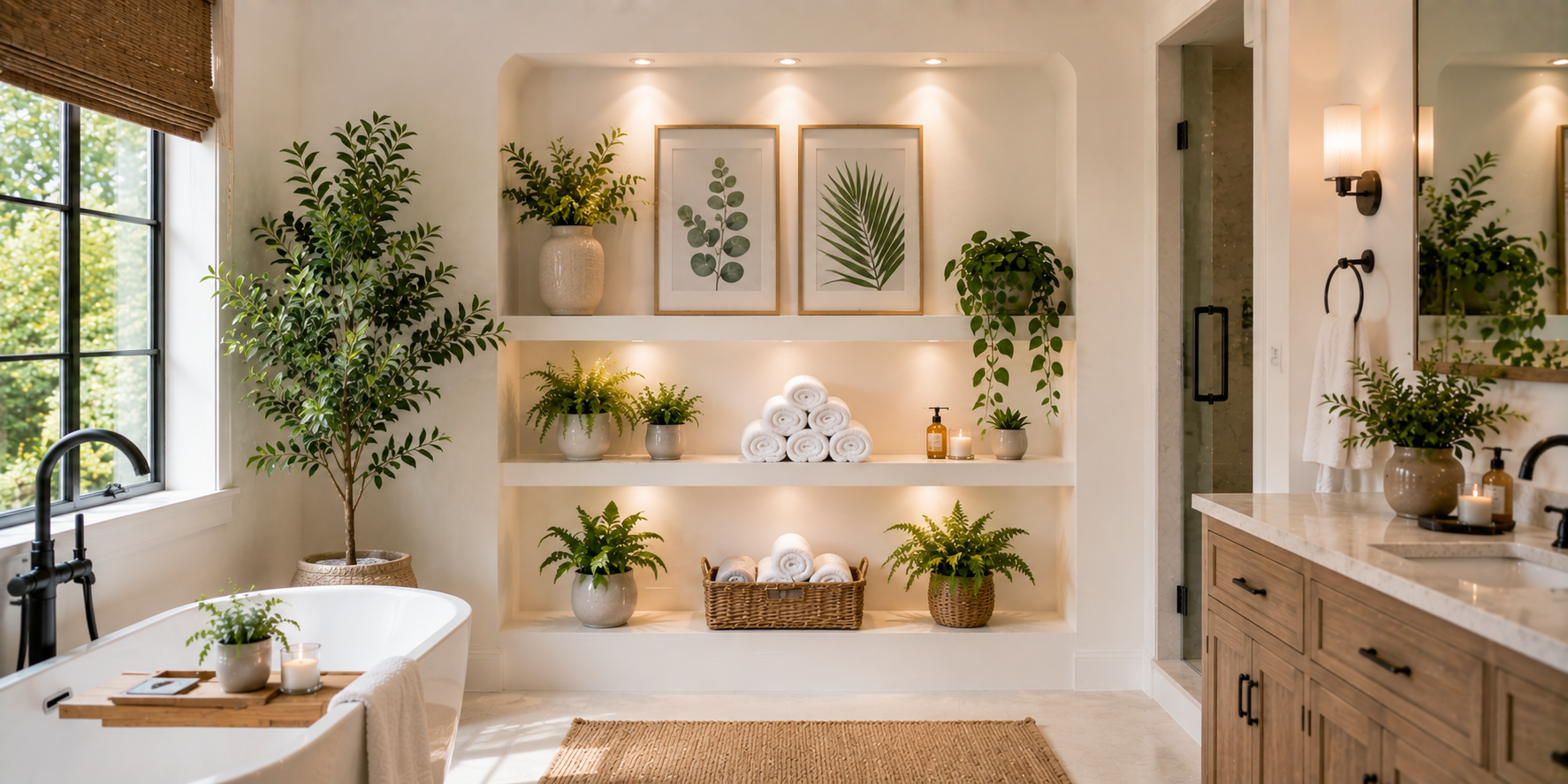
Symmetry has a calming visual rhythm, and twin alcoves flanking your vanity enhance both aesthetics and practicality. Each side can serve a different purpose — one for toiletries, one for decor — achieving balance without clutter. For cohesion, match your alcove finishes to the vanity top or mirror frame. Adding strip lighting within both alcoves creates a sophisticated hotel-like appearance. If you’re short on wall space, you can replicate the effect using narrow vertical niches that stretch from counter to ceiling — maximizing impact while keeping the room balanced.
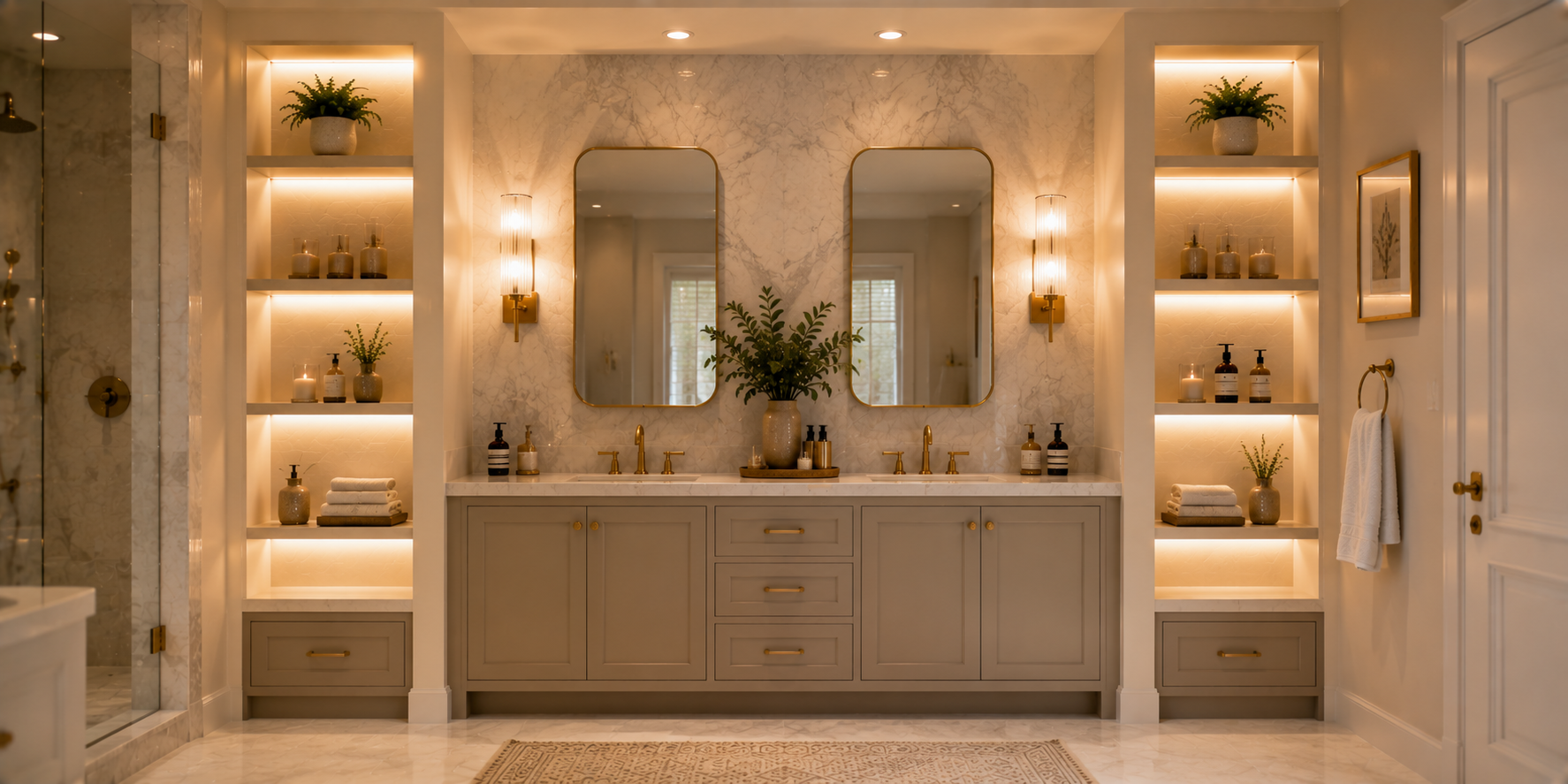
Larger bathrooms benefit from deep alcoves that hold bulky items like towels or cleaning supplies. Install multiple shelves with baskets or bins to keep things categorized. For a custom touch, line the back panel with shiplap or textured plaster, and install sliding doors if you prefer to conceal contents. Deep alcoves also work beautifully in guest bathrooms or laundry-adjacent spaces, allowing you to store everything without compromising on design consistency.
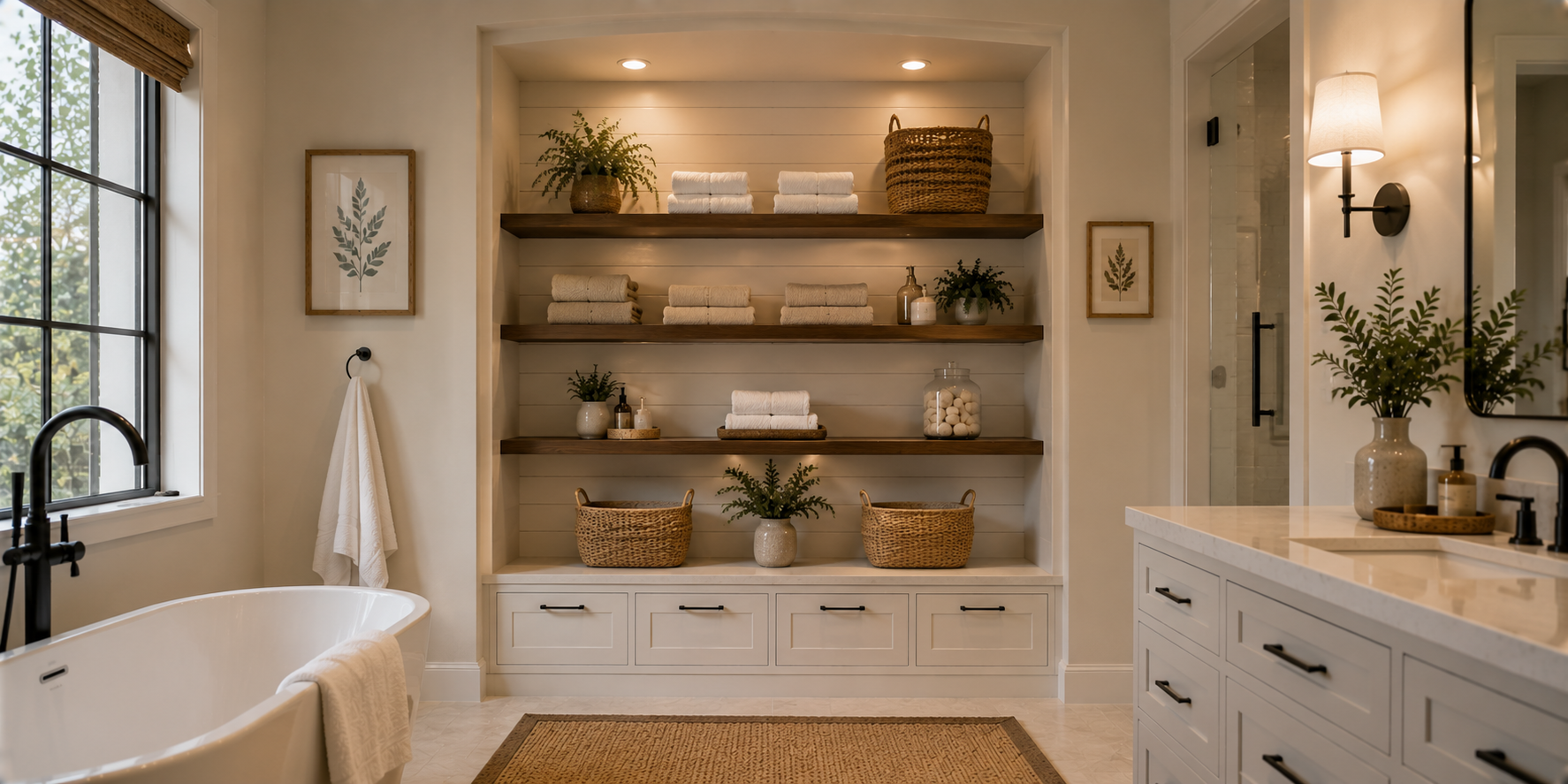
Framing your alcove with molding or trim adds refinement and polish. This simple architectural detail can tie the entire bathroom together. Choose classic white crown molding for traditional bathrooms or matte black metal edging for a modern contrast. The framing visually anchors the recess and makes it feel intentional rather than improvised. Combine with painted shelves in complementary tones — such as dove gray or sage green — to give your alcove depth and character.
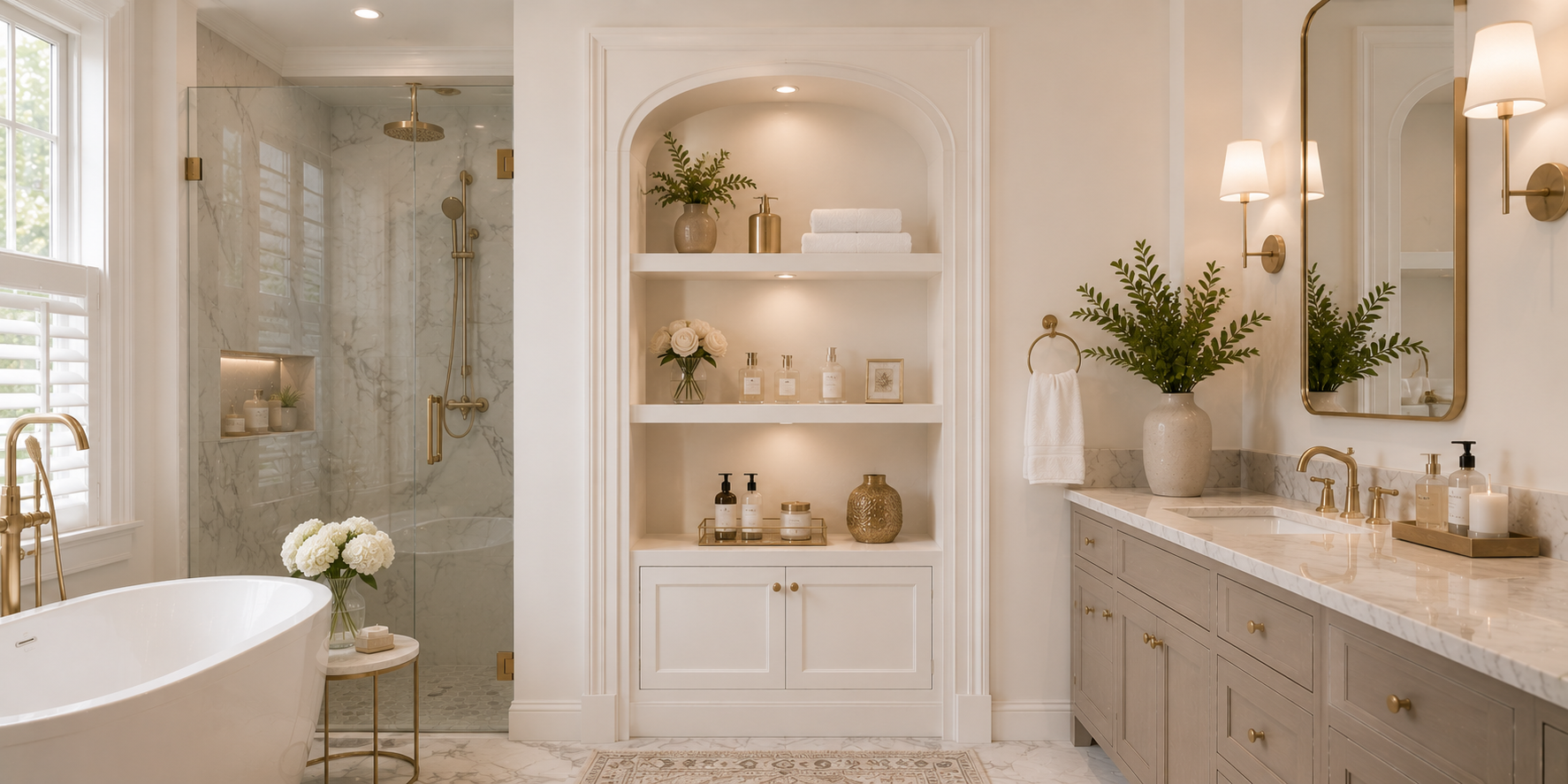
A narrow alcove beside the bathtub enhances convenience while keeping the focus on relaxation. Use it to store candles, a book, or bath oils within easy reach. Design the alcove to match your tub surround materials for a cohesive finish. For added sophistication, use marble, limestone, or textured tiles, and integrate dimmable lighting for mood control. This intimate feature transforms your bath corner into a serene spa zone — a small luxury that elevates your daily routine.
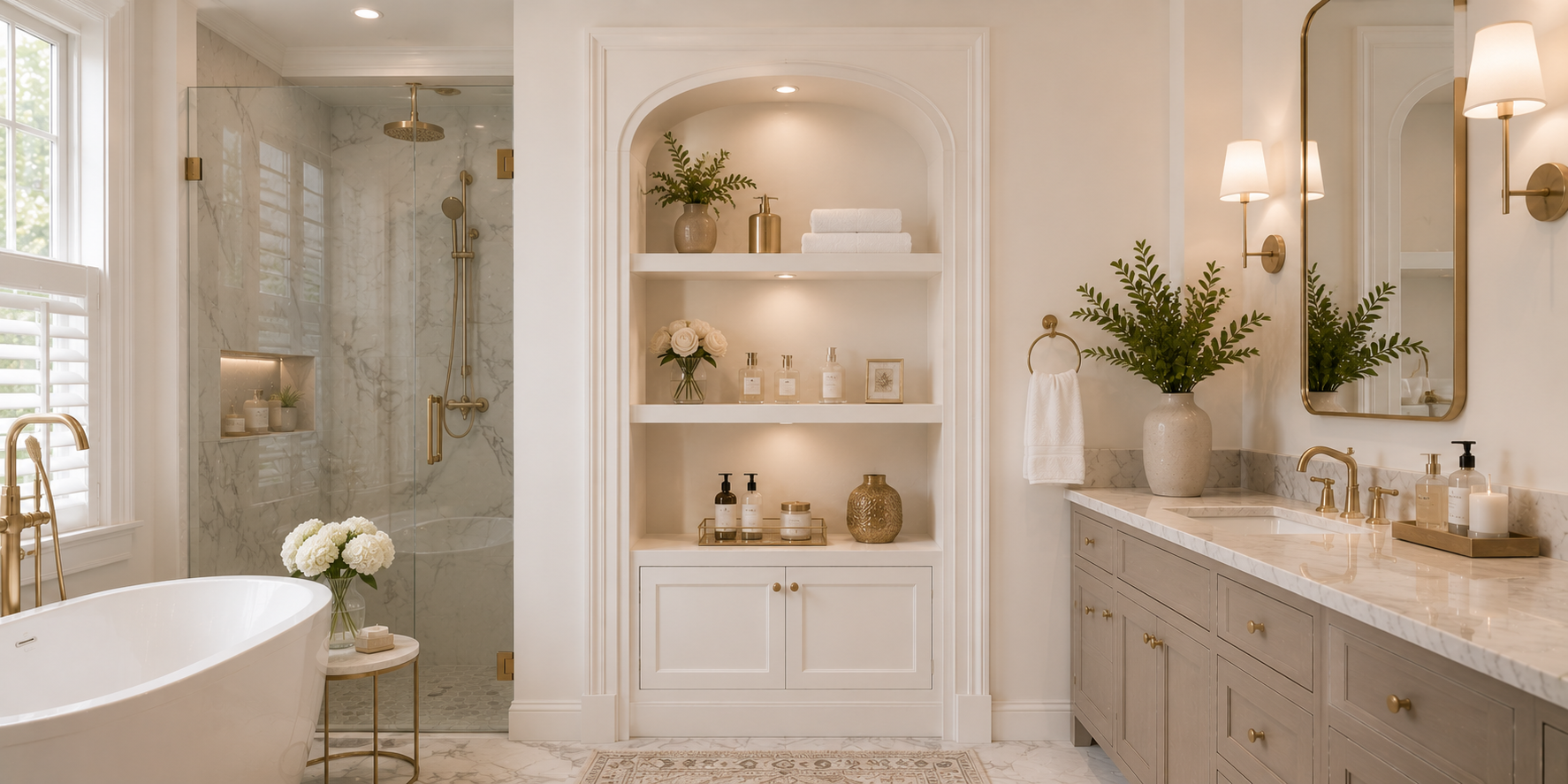
Transform Every Nook into Purposeful Beauty. Bathroom alcoves prove that even small, overlooked spaces can carry immense design power. By combining storage efficiency with aesthetic charm, these recesses make your bathroom feel larger, calmer, and more luxurious. Whether you choose a tiled niche, a hidden cabinet, or a rustic wooden shelf, each alcove becomes an opportunity to express your personality while keeping things organized.
Start small — perhaps with one shower niche or floating shelf — and expand from there. Soon, your bathroom will not only function better but also look like it was designed by a professional. Because sometimes, the smartest designs are the ones built right into the wall.
Let’s Build
Contact us todayGet daily tips and tricks for making your best home.
2025 Green to Gorgeous