3 MIN READ
Decor Ideas
Written By
G2G Team
Published
June 12, 2026
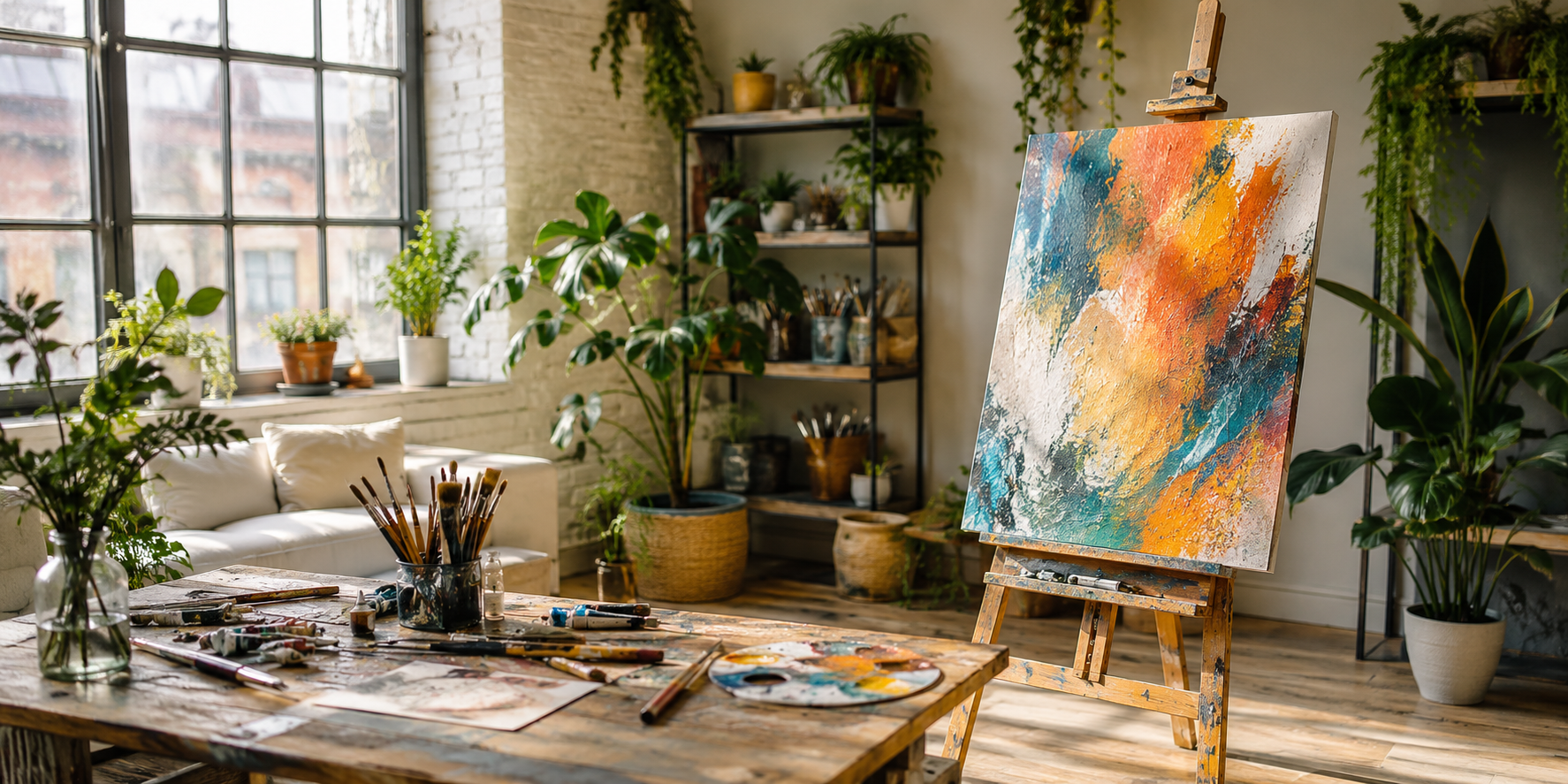
Painting has always been more than just color on canvas—it’s a way to translate emotion into form, a bridge between what we feel and what we see. Whether you’re a hobbyist picking up a brush after years, a creative soul searching for a new outlet, or an experienced painter looking for inspiration, the right idea can unlock a deeper connection to your artistic voice.
In a world of fast visuals and fleeting trends, art remains timeless. It invites us to slow down, breathe, and create something meaningful. The beauty of painting lies in its versatility—you can express peace, chaos, joy, or nostalgia through simple strokes and color choices.
This comprehensive guide presents 16 pretty painting ideas for artistic expression—each one carefully crafted to help you explore new subjects, textures, and moods. You’ll find guidance on techniques, tools, materials, and creative prompts to elevate your craft and bring fresh energy into your artistic journey.
There’s something inherently soothing about painting flowers. Their transient beauty mirrors the delicate emotions we often struggle to express. Floral painting gives you permission to slow down, to study shape and hue as the petals unfold on your canvas.
Begin with a simple sketch — perhaps a single bloom or a bouquet. Watercolor is perfect for this style because of its translucent nature. Start with a light wash to establish form, then add layers gradually to build depth. Use a wet-on-wet method for soft blends, or dry brushing to accentuate edges.
Soft pinks, creamy whites, pale yellows, and leafy greens. Introduce contrast with muted blues or lavender shadows for balance. A floral piece reflects calmness and growth. The composition can be romantic or symbolic — peonies for grace, tulips for renewal, daisies for simplicity.
Floral paintings fit beautifully in bedrooms, studios, or reading corners. They invite peace and complement minimalist or rustic interiors.
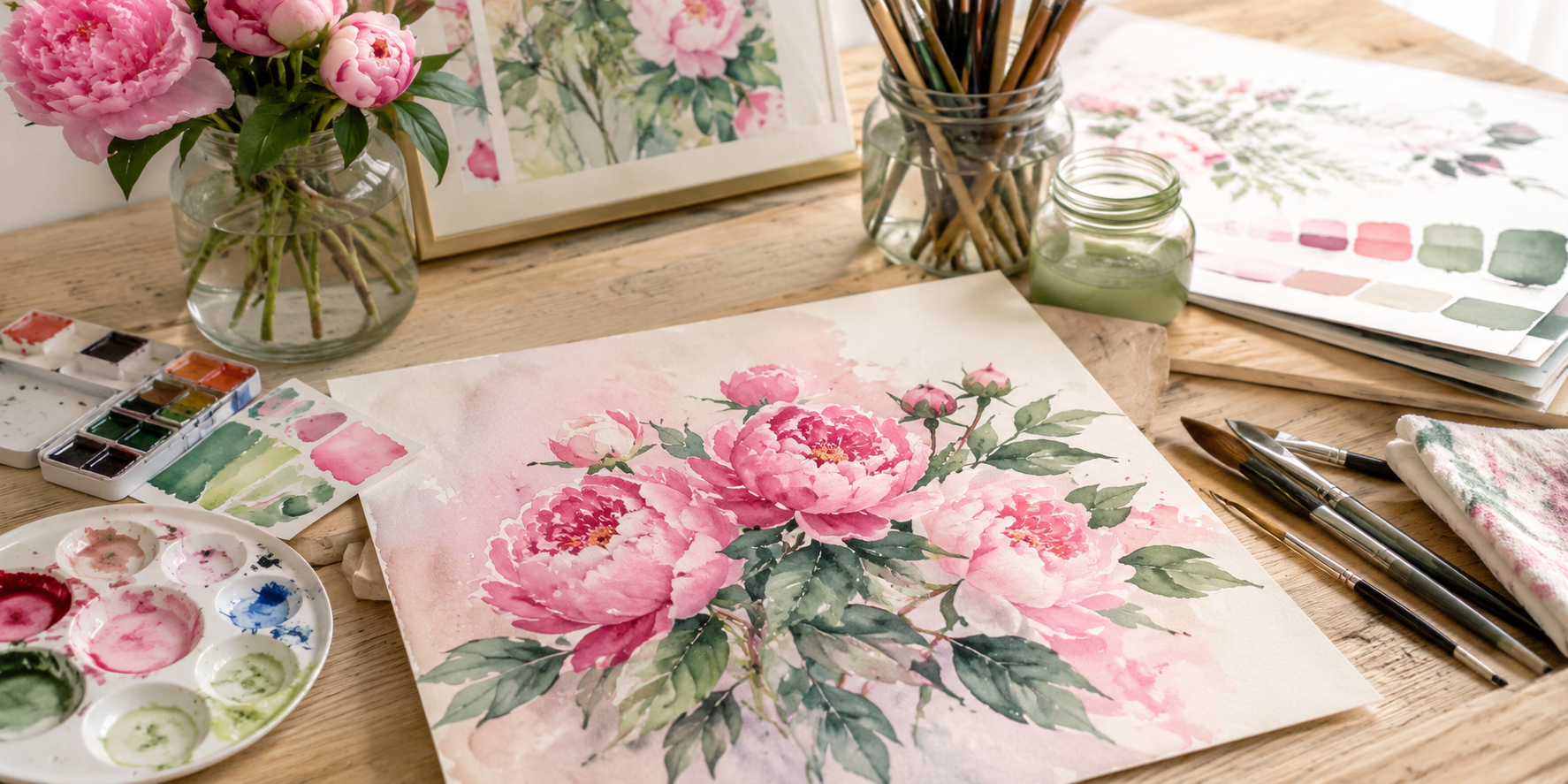
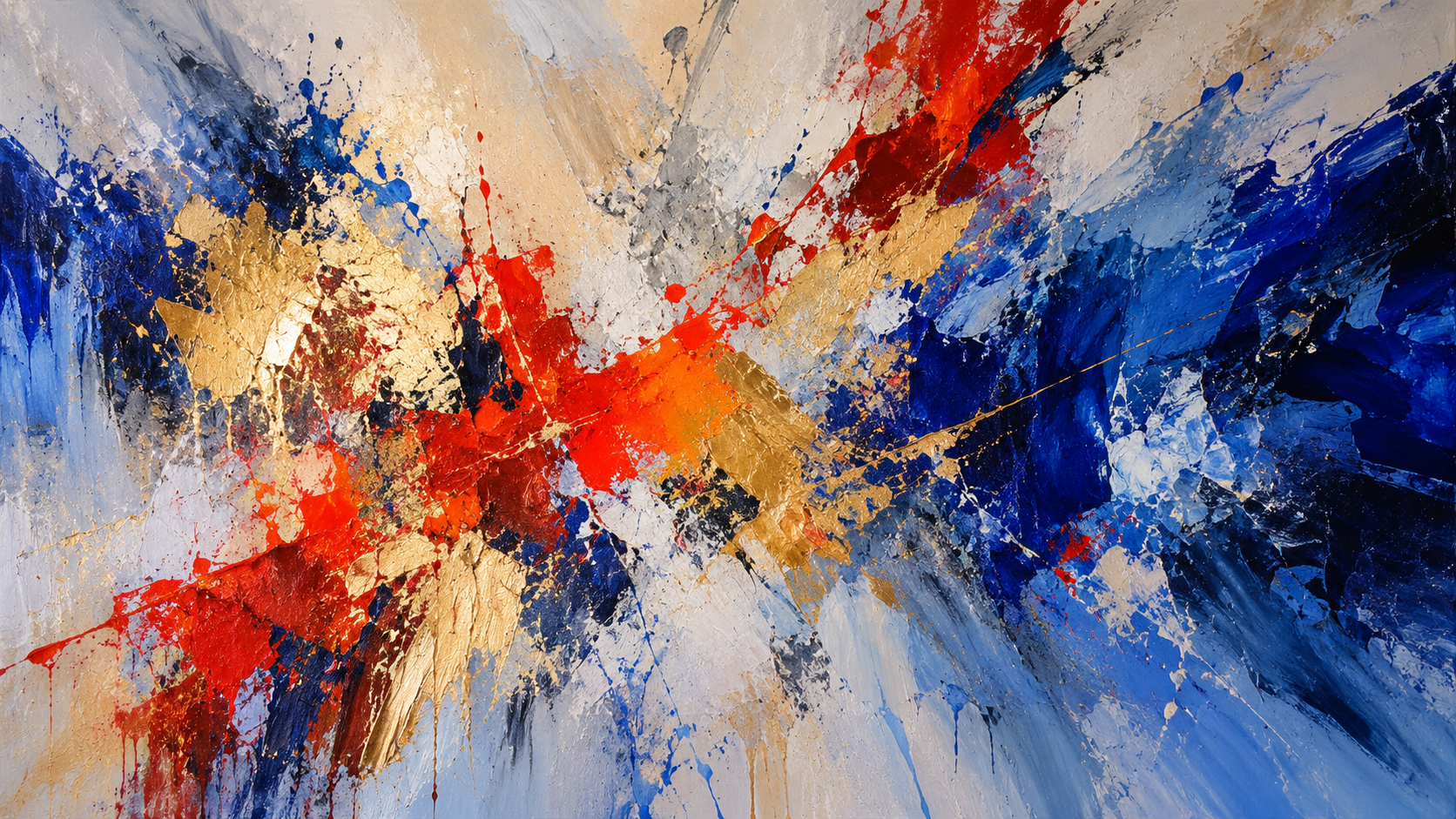
Abstract painting is emotion unfiltered — a dialogue between your heart and the canvas. It rejects realism and celebrates the power of color and gesture. Every drip, stroke, and layer reveals something about your inner rhythm.
Choose according to your emotional intent. Red and orange for vitality; blue and purple for introspection; gold for triumph.Abstract art is about feeling first, meaning later. Let intuition guide you rather than logic.
Large abstract canvases become focal points in modern homes. They energize neutral spaces and pair well with minimalist furniture.
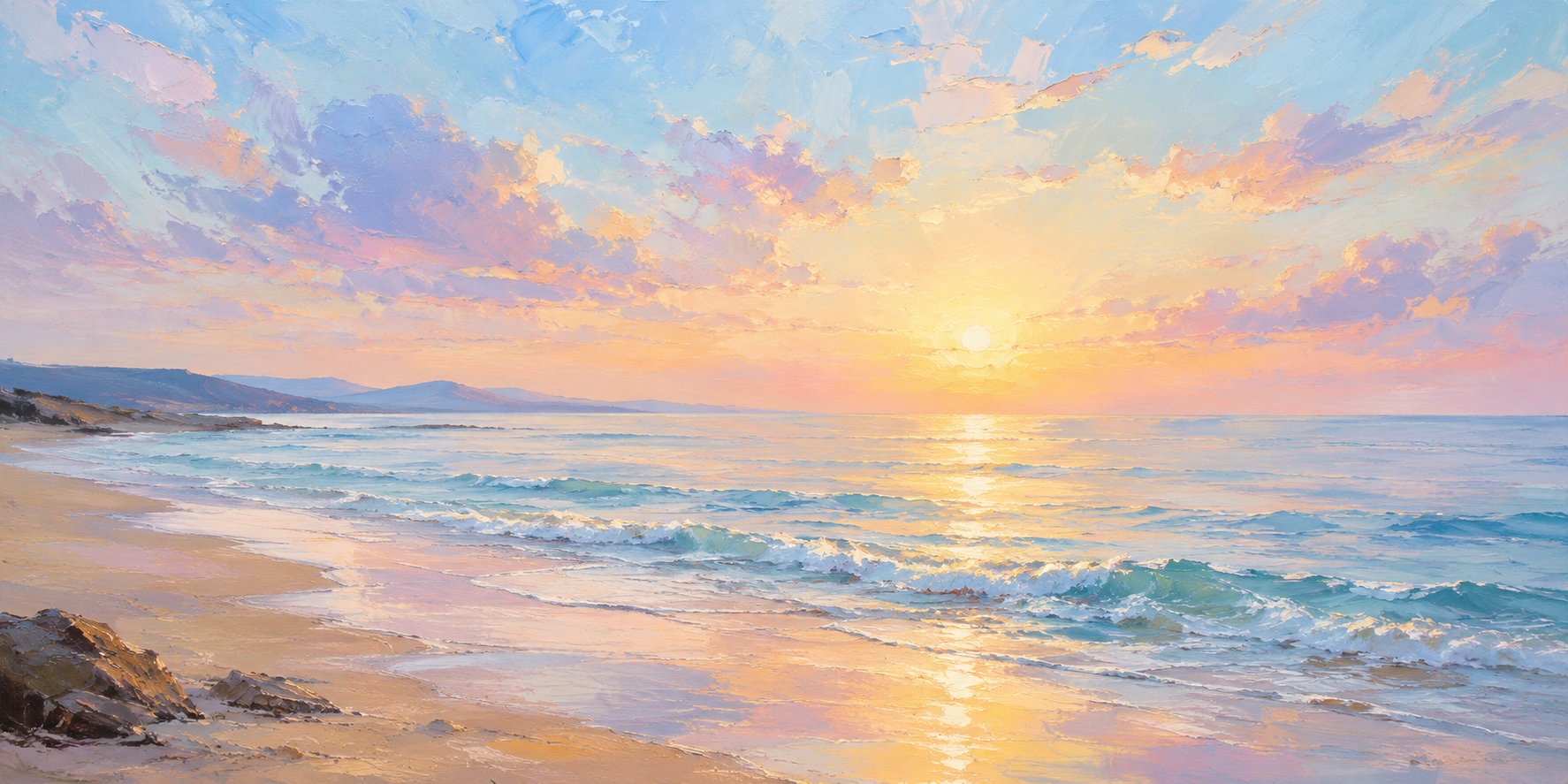
Seascapes remind us of rhythm and reflection. The sea has moods — serene mornings, stormy evenings, shimmering horizons. Capturing these changes on canvas teaches control, patience, and light observation.
Start with a horizontal composition. Blend sky and sea seamlessly using long, soft strokes. Acrylics or oils are ideal for blending gradients. To depict foam, use dry brushing with white or light gray paint. For reflections, glaze translucent blues and silvers over darker tones.
Cerulean, turquoise, sand beige, pearl white, and navy. Add sunset oranges or dusky purples for atmosphere. A seascape is both meditative and metaphorical. It speaks to our relationship with depth and calm — a balance between motion and stillness.Perfect for living rooms and entryways, seascapes bring tranquility to interiors. Pair them with coastal textures like rattan, linen, and driftwood.
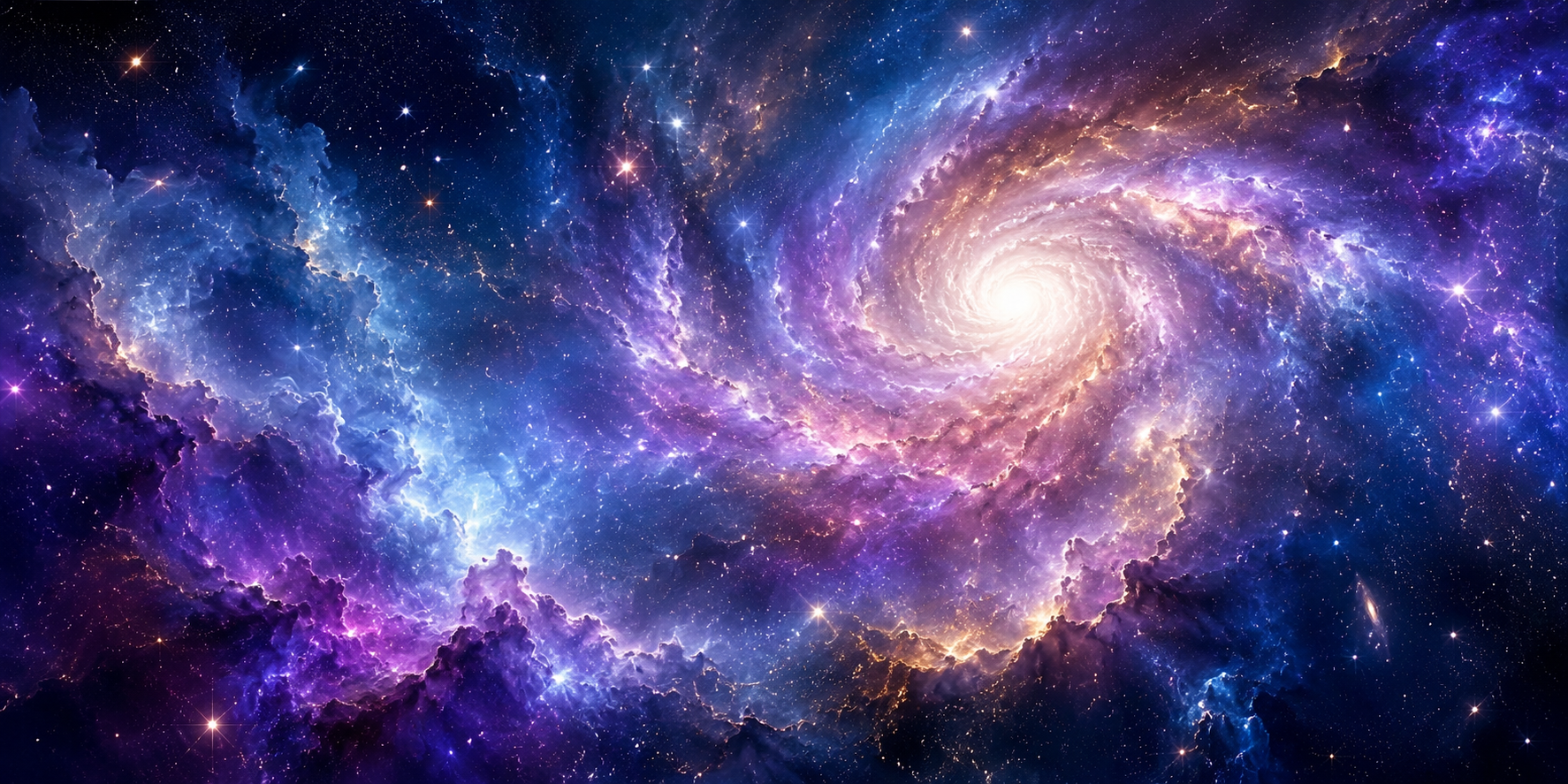
There’s poetry in painting galaxies. The cosmos reminds us of vastness — that we are both small and infinite. Celestial art merges mystery with wonder, allowing experimentation with texture and contrast.
Start with a black or deep navy base. Blend in layers of violet, ultramarine, and magenta to form nebula shapes. Use a toothbrush or splatter brush to create stars. Metallic paints or pearlescent mediums bring dimension.
Midnight blue, indigo, purple, magenta, silver, and soft white. Cosmic painting mirrors curiosity. It’s about exploration, possibility, and spiritual freedom. Celestial artworks are ideal for bedrooms or meditation spaces — they inspire calm reflection and wonder.
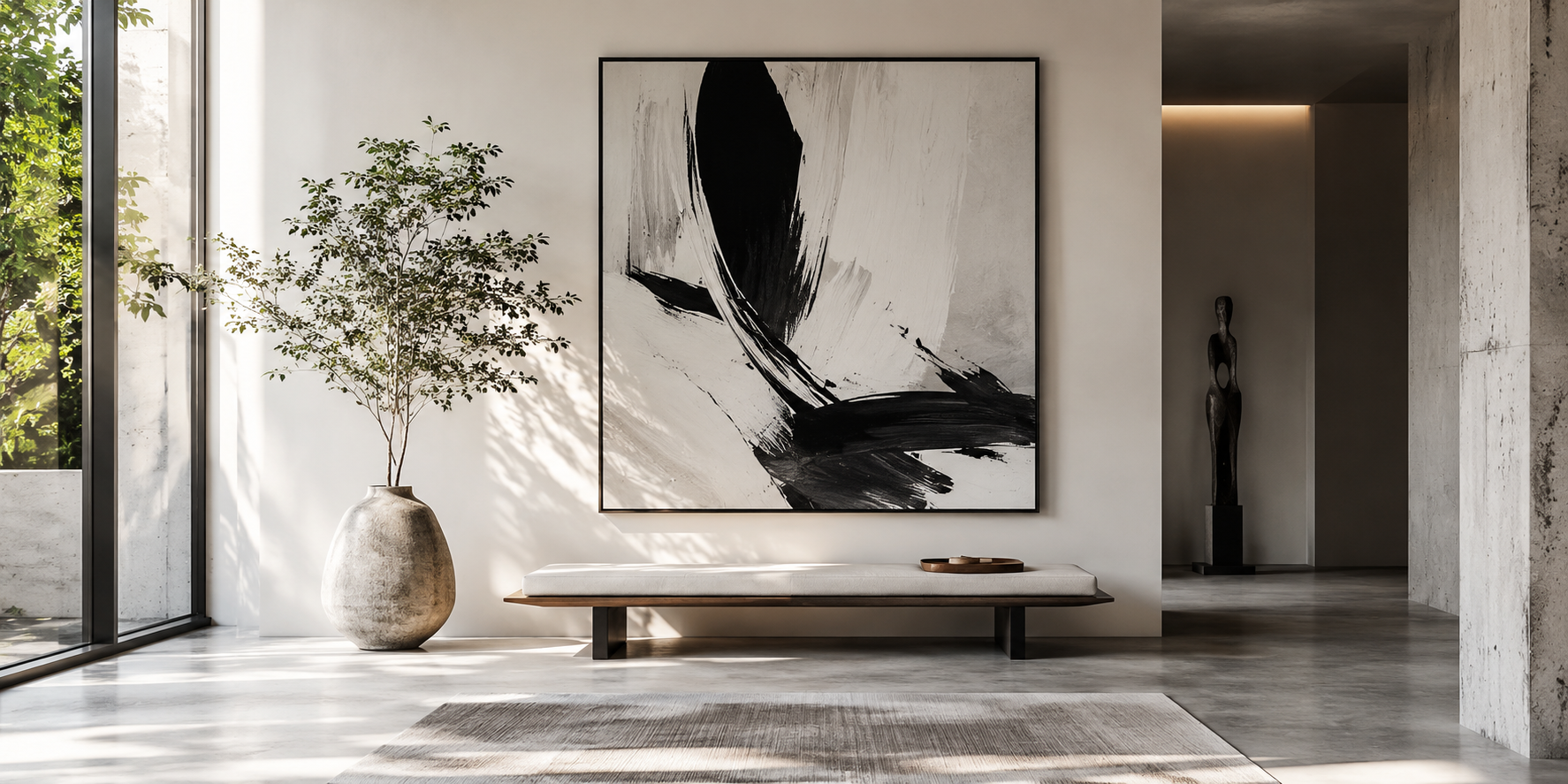
Minimalism is the art of saying more with less. Monochrome painting challenges you to focus on shape, tone, and rhythm rather than color.
Use one hue and build contrast through value (light vs. dark). Try layering translucent whites or applying heavy impasto in grayscale. The secret lies in subtlety — transitions must feel deliberate, not empty.
Black, white, gray, charcoal, or a single chosen tone (navy, ochre, or burgundy).
Artistic Insight:
Monochrome works are visual meditations. They emphasize emotional balance and spatial harmony. Minimalist paintings fit sleek, modern spaces, acting as anchors that calm the eye.
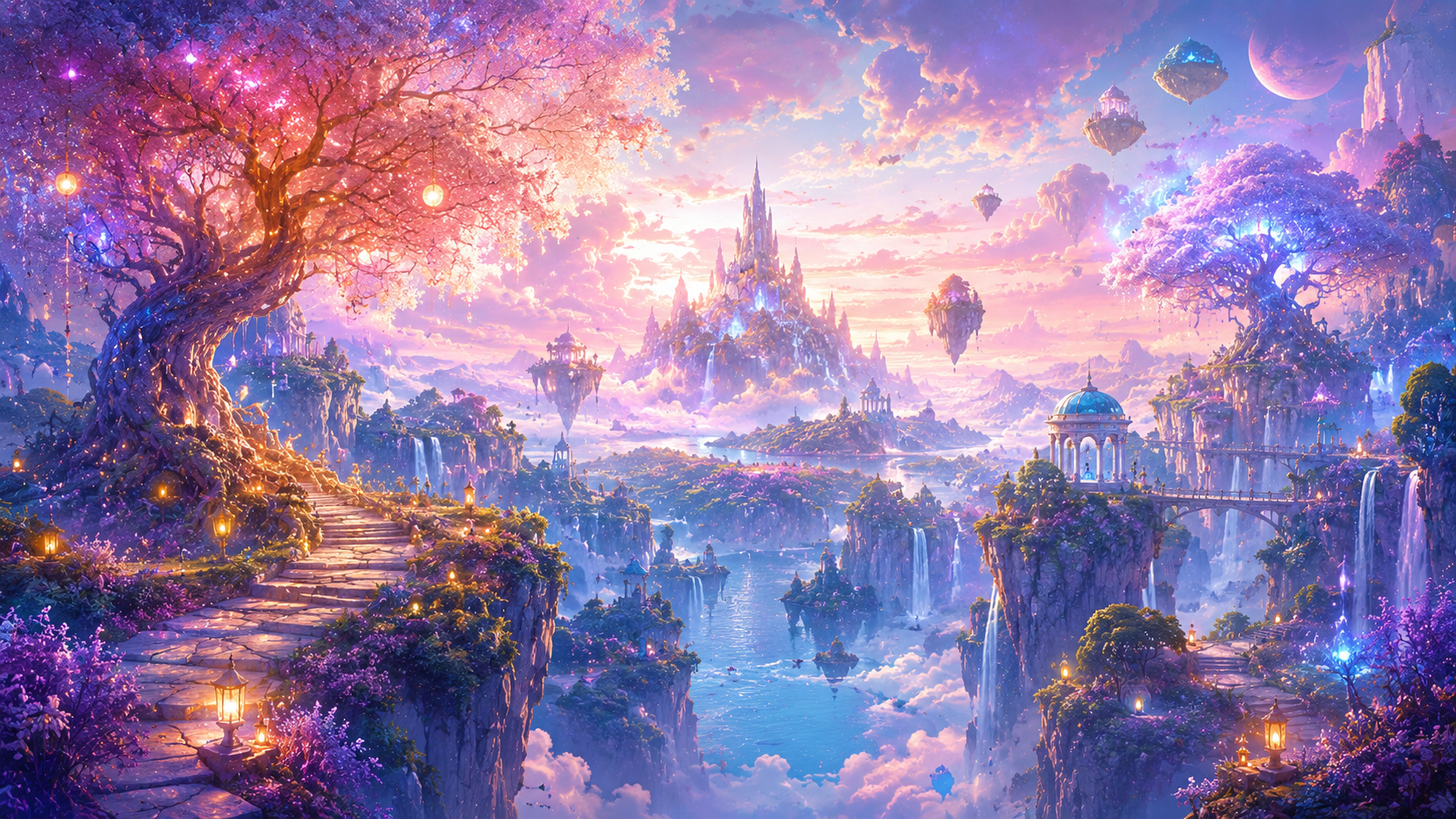
Imaginative landscapes are freedom personified — painting without geography or realism. They merge dreams with reality, emotion with fantasy.
Sketch loosely. Build the sky with soft color gradients — think lavender and gold. Let landscapes float, twist, or defy gravity. Use curved brushstrokes and glowing highlights to evoke surrealism.
Pastel tones — pink, mint, lilac, peach — paired with golden undertones.Whimsical painting is storytelling without words. It invites curiosity, nostalgia, and a sense of childlike wonder.
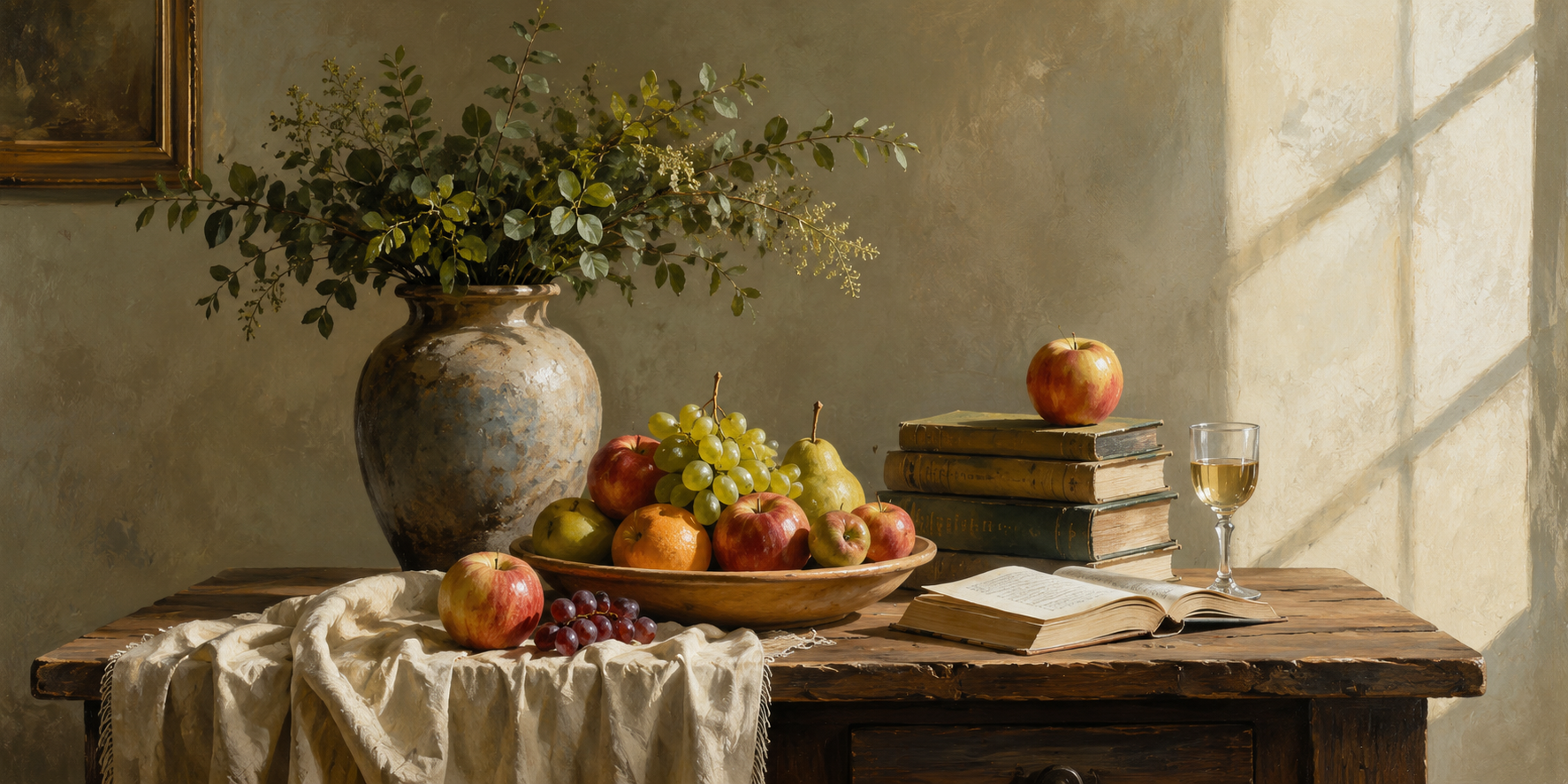
Still life is discipline and observation combined. Every bottle, apple, or ceramic cup becomes a study in proportion, light, and emotion.
Set up a simple arrangement under steady light. Focus on one light source to create depth. Build the composition with base colors, then add highlights and shadow layers. Use glazing techniques to create subtle transparency.
Warm neutrals — ochre, sienna, burnt umber — with pops of fruit tones like red or yellow.
Artistic Insight:Still life reminds us to see again — to appreciate quiet details we often overlook.
These timeless pieces add classical elegance to dining areas or reading rooms.
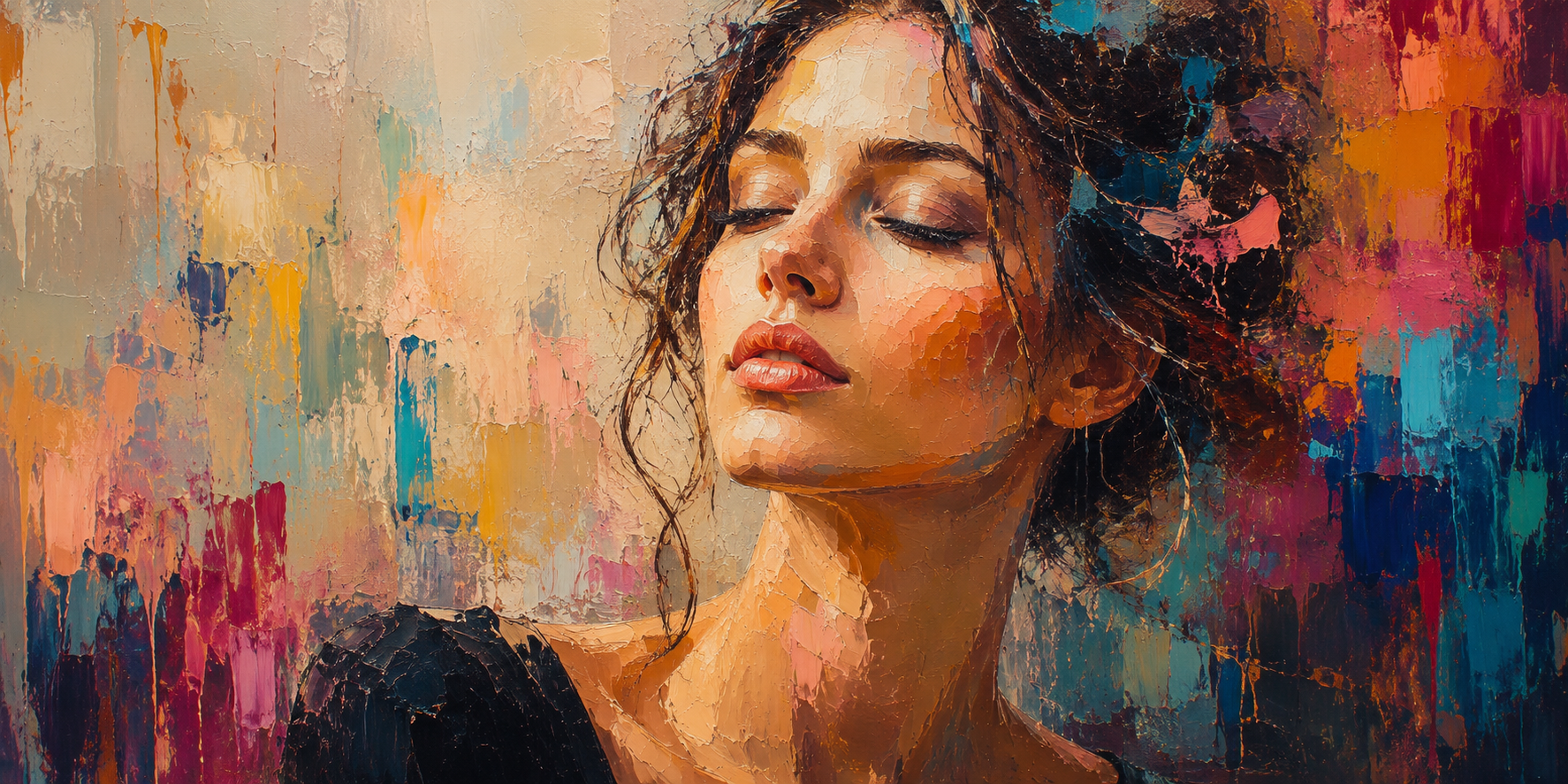
A portrait, when done right, speaks louder than words. It captures not only a likeness but a life.
Start with loose charcoal or pencil sketches to define proportions. Layer skin tones from mid to dark, leaving highlights for the end. Focus on the eyes and mouth — they carry emotion. Use warm underpainting (like burnt sienna) to add life beneath the skin tones.
Skin tones mixed with ultramarine, crimson, and yellow ochre. Avoid pure white — mix it with color for warmth. Portrait painting teaches empathy. It’s an act of seeing deeply and connecting through detail. A personalized portrait adds intimacy and meaning to any home — especially creative or family spaces.
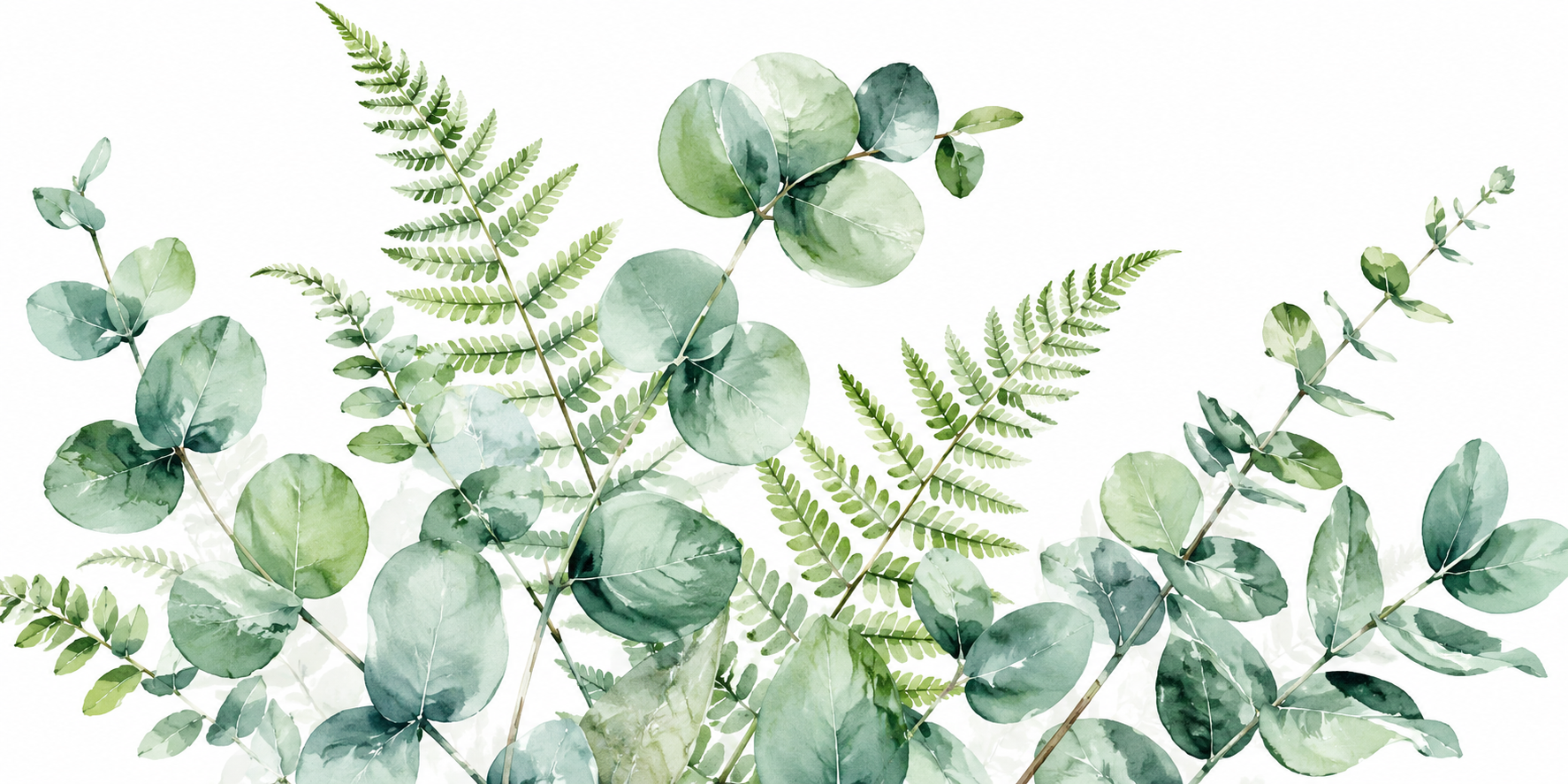
Botanical painting is an art of precision and patience. Each leaf, stem, and petal becomes a dialogue between science and art.
Work in natural light. Study form and pattern before painting. Watercolor is ideal for translucency, while gouache offers matte precision.
Botanical artworks freshen interiors and pair beautifully with minimalist or Scandinavian designs.
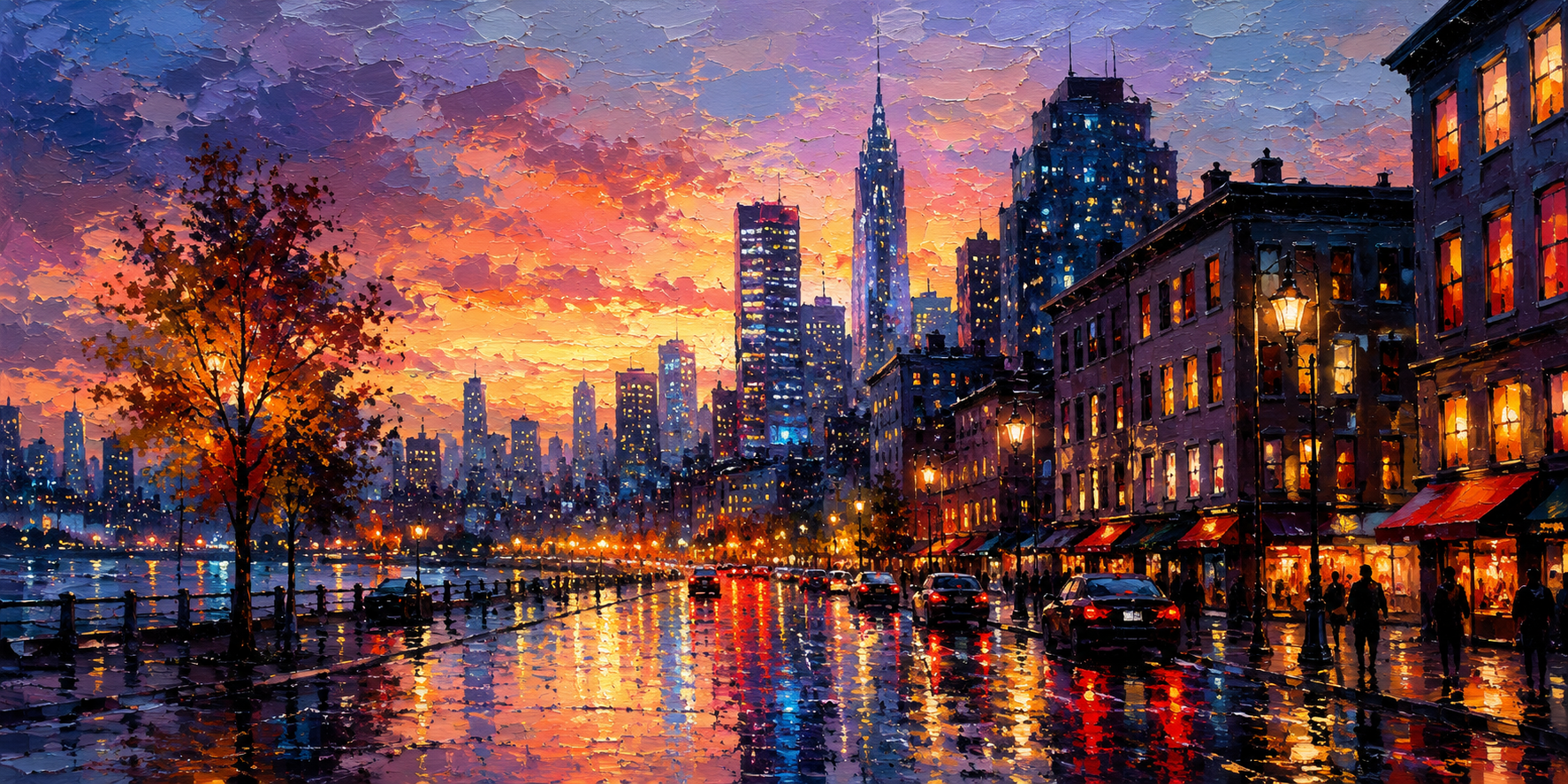
Cityscapes combine structure and spontaneity. They celebrate movement — lights reflecting on wet streets, silhouettes crossing intersections, buildings glowing at dusk.
Use acrylics for quick layering. Start with perspective lines, then block large areas. Add details like windows, signs, and reflections later. Use palette knives for rough textures like brick and asphalt.
Slate gray, warm yellow, cobalt blue, rust red. Urban art is storytelling through rhythm and geometry. Each brushstroke echoes footsteps, lights, and conversations. Ideal for modern or industrial interiors — these pieces capture life’s energy and urban romance.
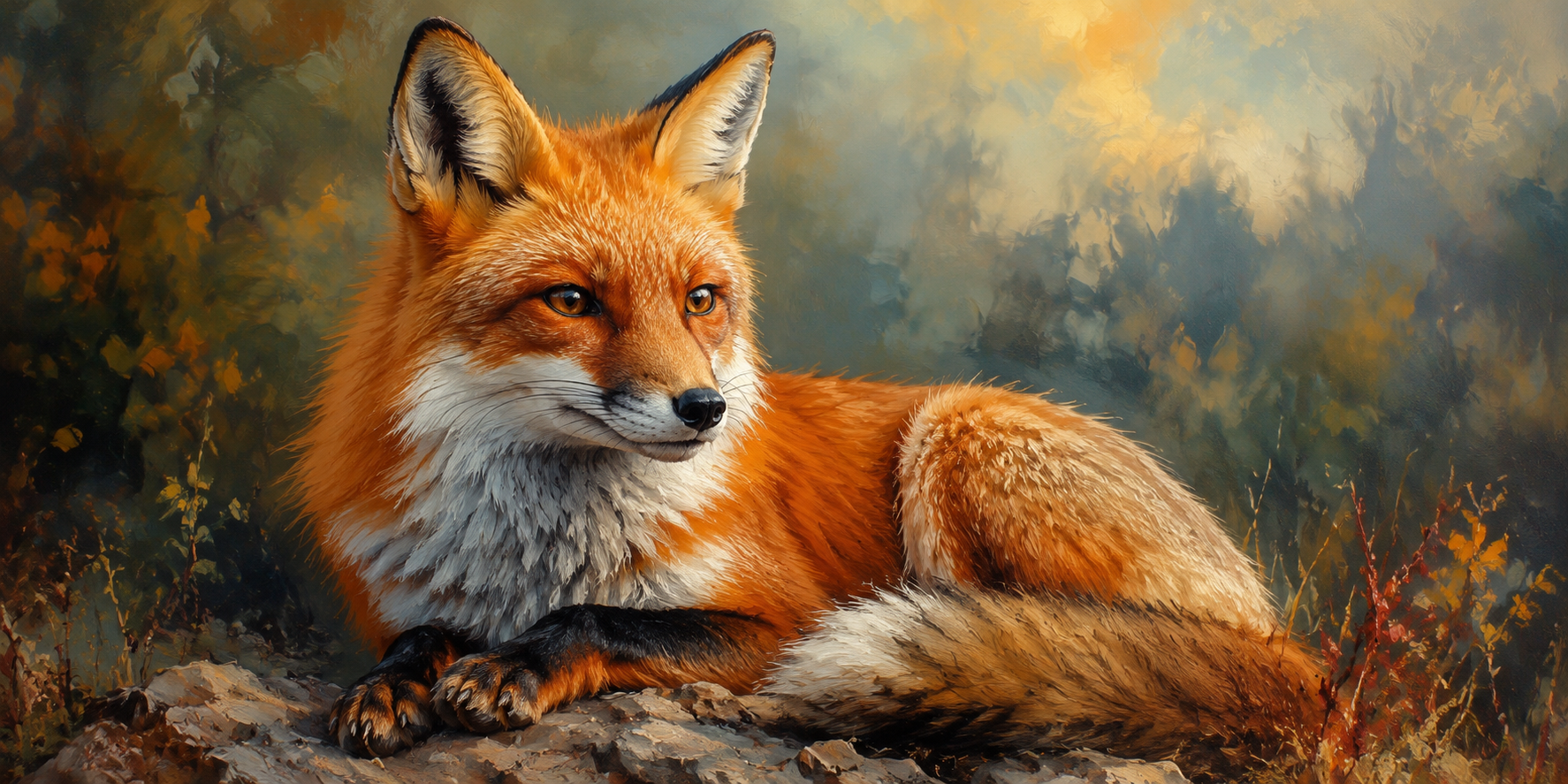
Animals embody freedom, innocence, and instinct. Painting them requires observing both anatomy and spirit.
Begin with basic shapes. Build fur or feather direction gradually with layered strokes. Keep eyes detailed; they convey the animal’s character.
Earth tones — ochre, sienna, gray — with bright accents for life and light. Animal art teaches empathy and observation. Each species reflects a different emotional tone — loyalty, grace, courage, or playfulness. Perfect for warm, nature-inspired interiors or children’s rooms.
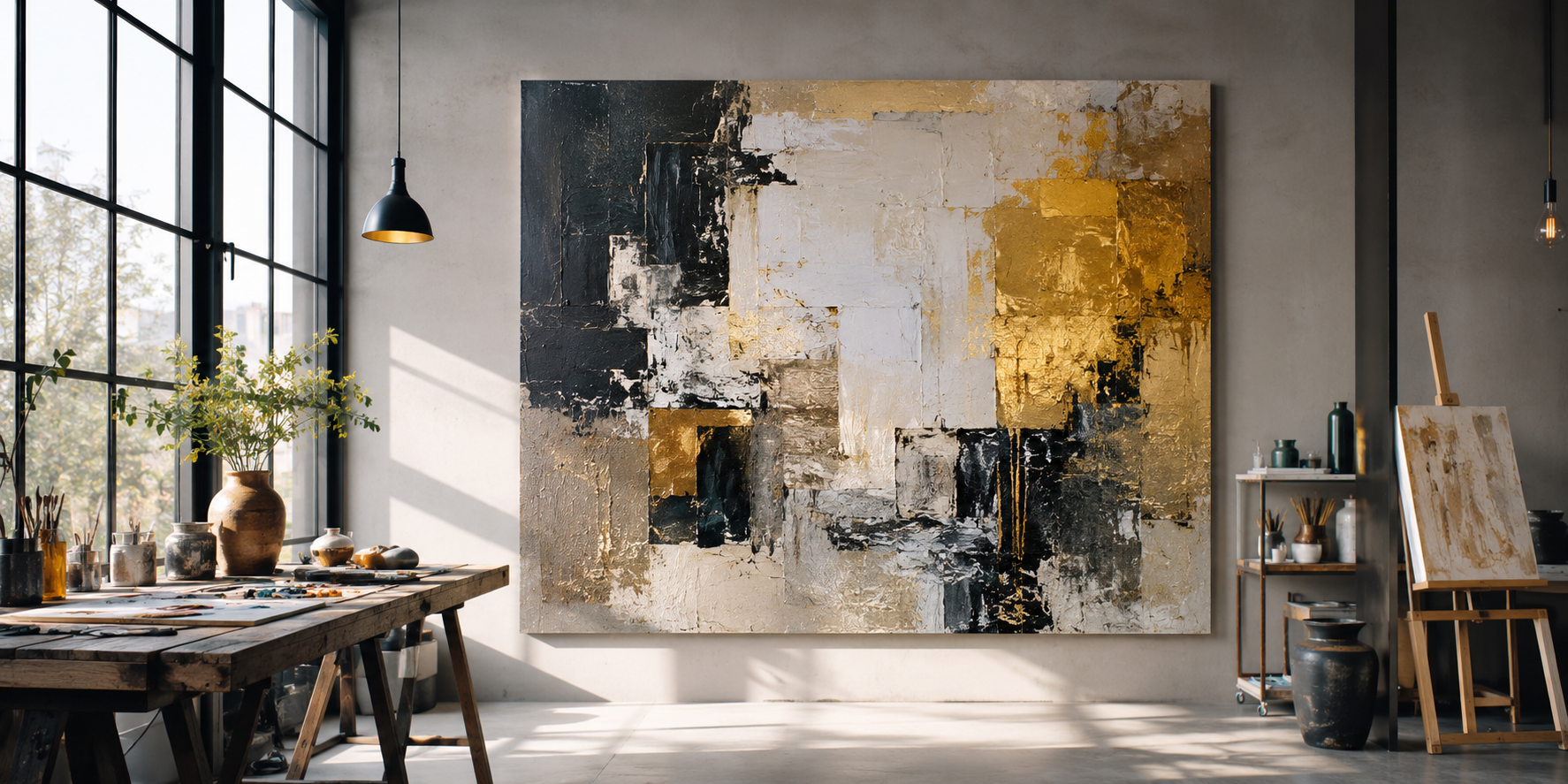
Texture gives painting a physical heartbeat. Mixed-media techniques allow artists to build surface dimension and tactile intrigue.
Apply modeling paste, sand, or fabric to your base. Once dry, layer paint to create raised reliefs. Metallic pigments or varnishes can enhance highlights.
Neutrals with metallic touches — gold, bronze, cream, charcoal.
Artistic. This approach celebrates process and imperfection. It’s less about what you paint, more about how it feels. Textured artworks pair beautifully with soft lighting and minimalist decor — they invite viewers to reach out and feel.
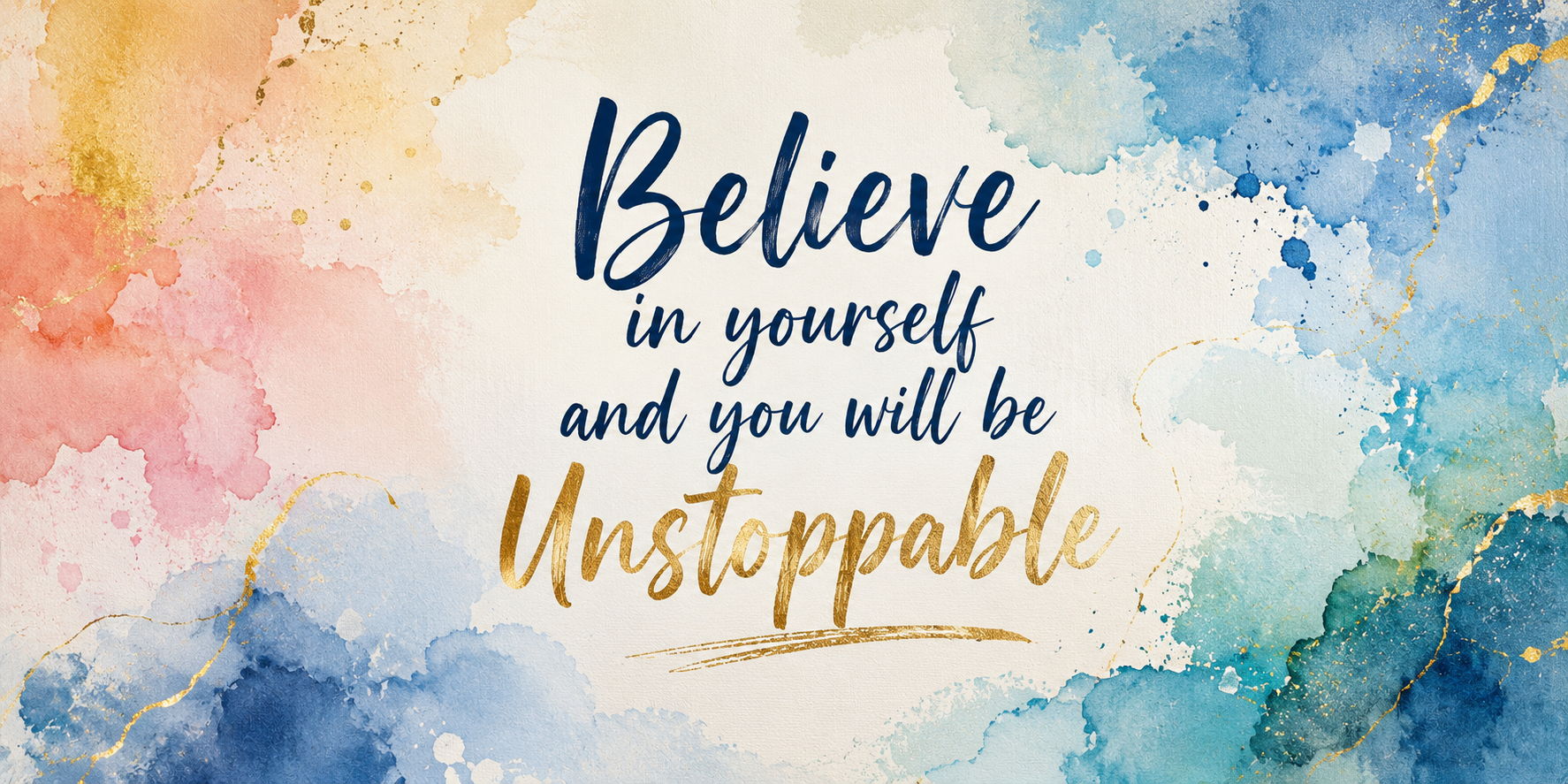
Combining lettering with painting creates pieces that motivate and uplift.
Paint your background first — a gradient, splash, or floral design. Once dry, hand-letter your quote with a fine brush or marker.
Soft pastel backgrounds with contrasting typography. Quote paintings merge visual beauty with affirmation. They’re both art and message — perfect reminders of positivity. Great for offices, bedrooms, or studios — places that benefit from inspiration and calm.
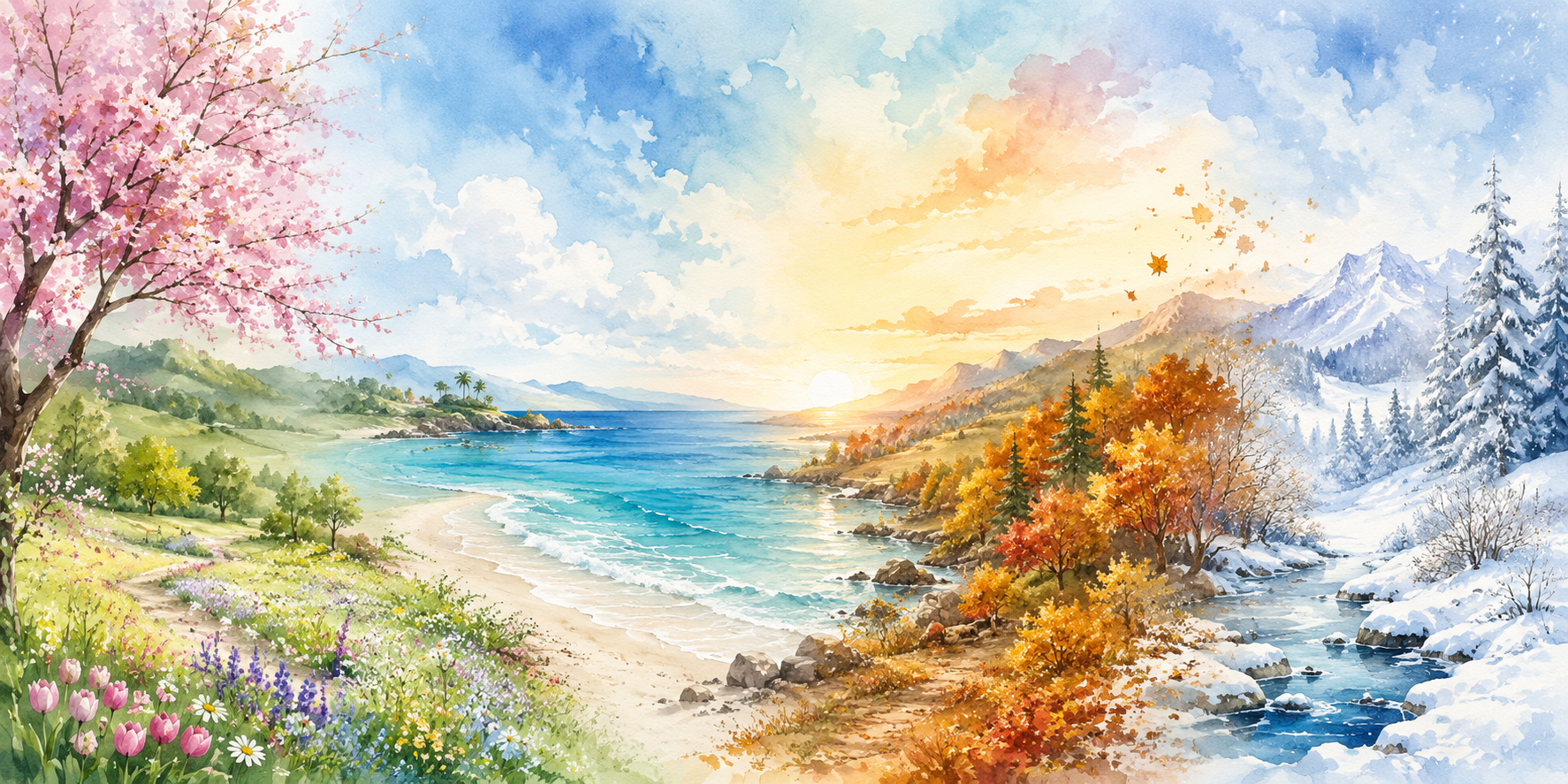
Seasons mark change — painting them captures time’s quiet transitions.
Create a four-piece series representing each season. Use distinct palettes: fresh greens for spring, golden sunlight for summer, burnt sienna for autumn, icy blue for winter. Focus on atmosphere and temperature.
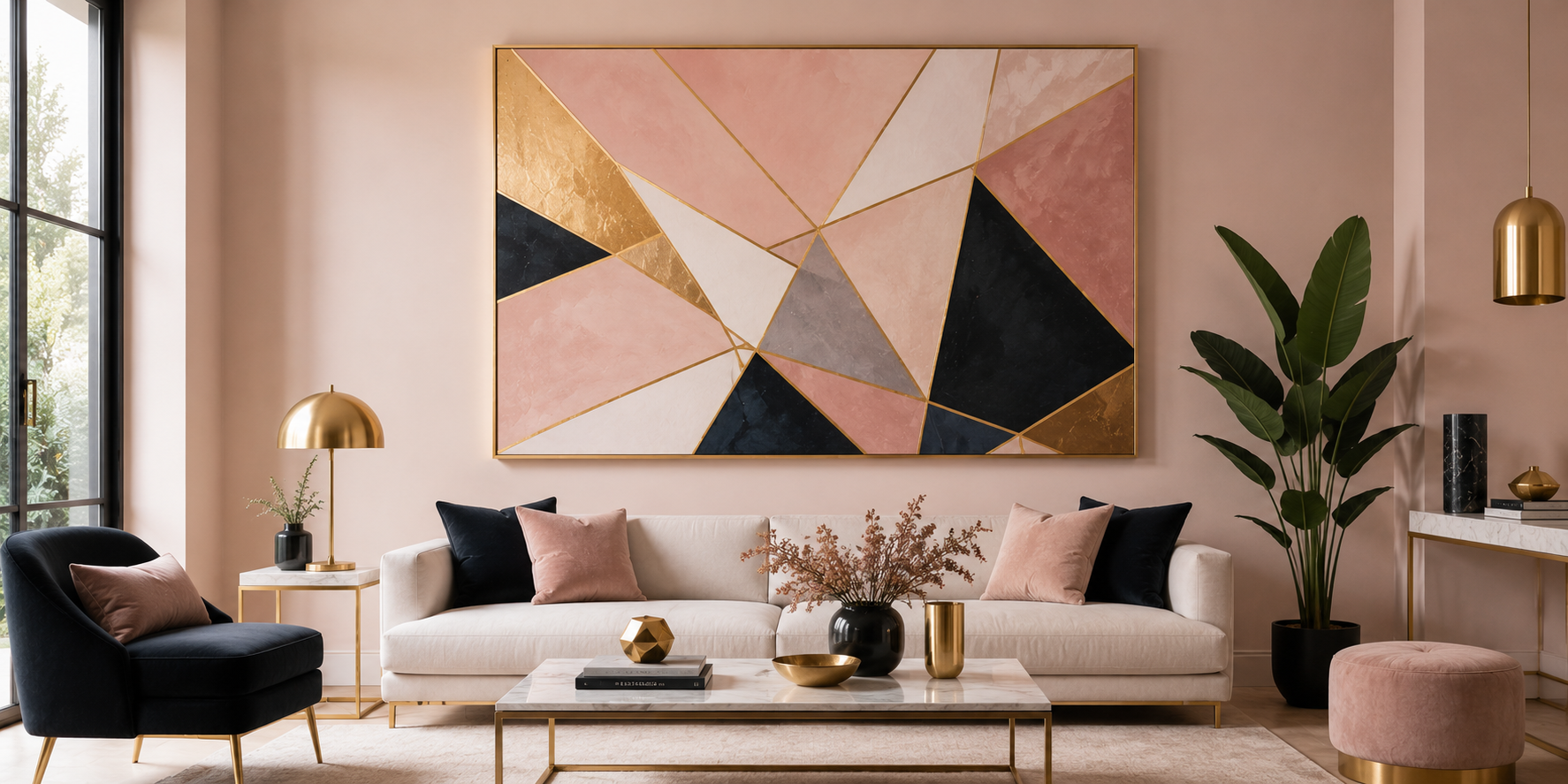
Geometric painting celebrates design and discipline. It fuses architecture with color theory.
Use masking tape for sharp edges. Layer complementary shapes or angles. Balance symmetry with dynamic movement.
Blush pink, black, gold, navy, white — modern and timeless.Geometry in art represents precision and serenity — the human desire to find structure amid chaos. Perfect for contemporary offices or modern living rooms.
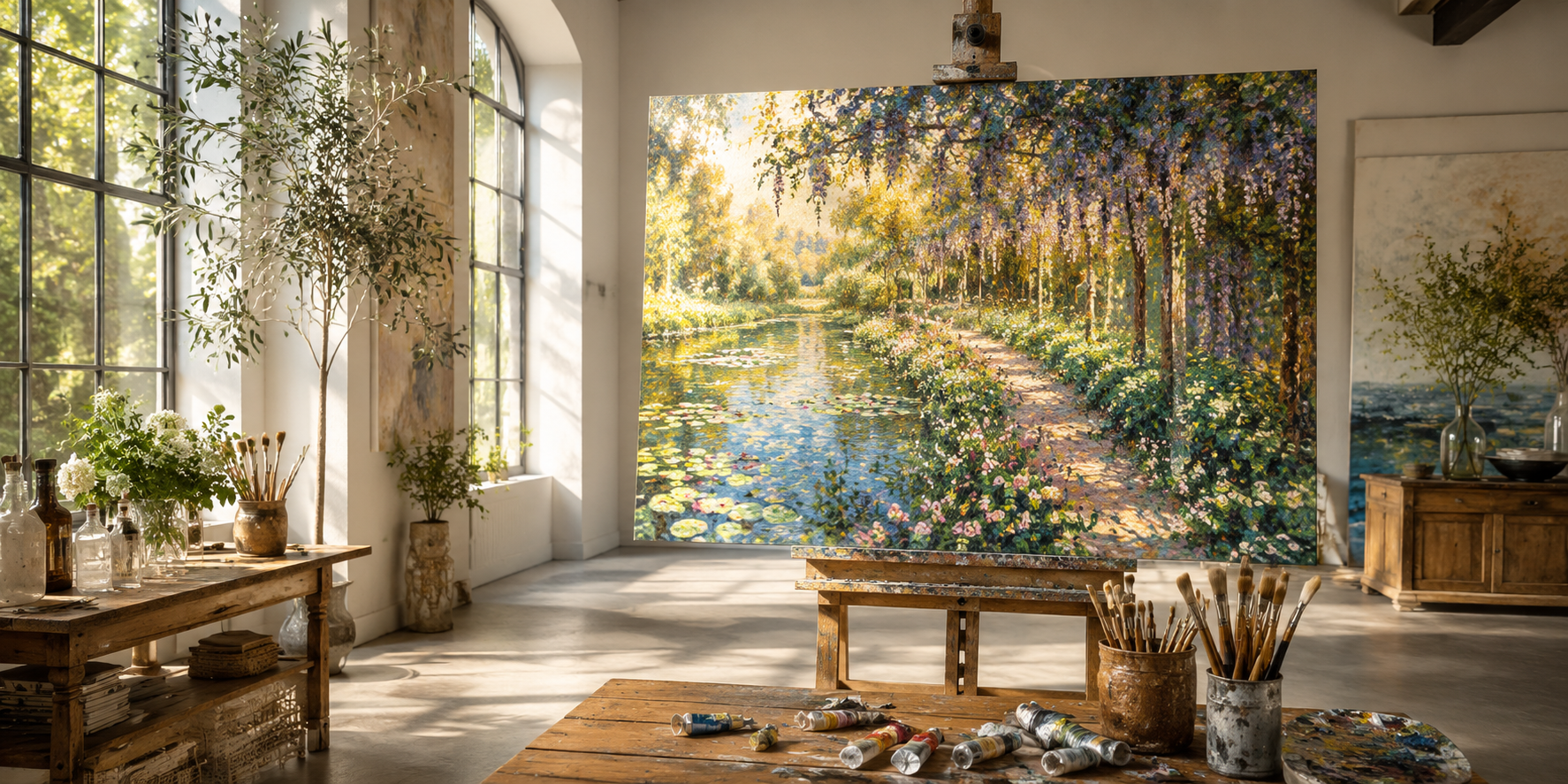
Impressionism captures what we feel rather than what we see. It’s the study of light, color, and moment.
Use small, quick brushstrokes and complementary colors side by side. Don’t blend completely — let the viewer’s eye do the work. Focus on atmosphere rather than accuracy.
Bright yellows, lavender, sky blue, pale green, coral. Impressionist work celebrates imperfection — the spontaneous beauty of movement, the shimmer of sunlight. Impressionist paintings soften modern interiors and pair well with warm, natural lighting.
Painting as a Dialogue with the Self. Painting is not about perfection—it’s about presence. It asks us to slow down, to notice, to feel. Whether you paint florals, abstract bursts, or impressionist light, each canvas becomes a mirror reflecting who you are in that moment.
The 16 pretty painting ideas above invite you to experiment, fail, explore, and grow. They remind you that beauty isn’t found in precision—it’s found in expression. So pick up your brush, stand before your canvas, and start. Your story deserves color.
G2G Team
06-12-2026
Let’s Build
Contact us todayGet daily tips and tricks for making your best home.
2025 Green to Gorgeous